


THE CLIMATE SCORECARD MAGAZINE
A way to learn about efforts to fight climate change
in leading greenhouse gas emission countries
Issue #13 // May 2026
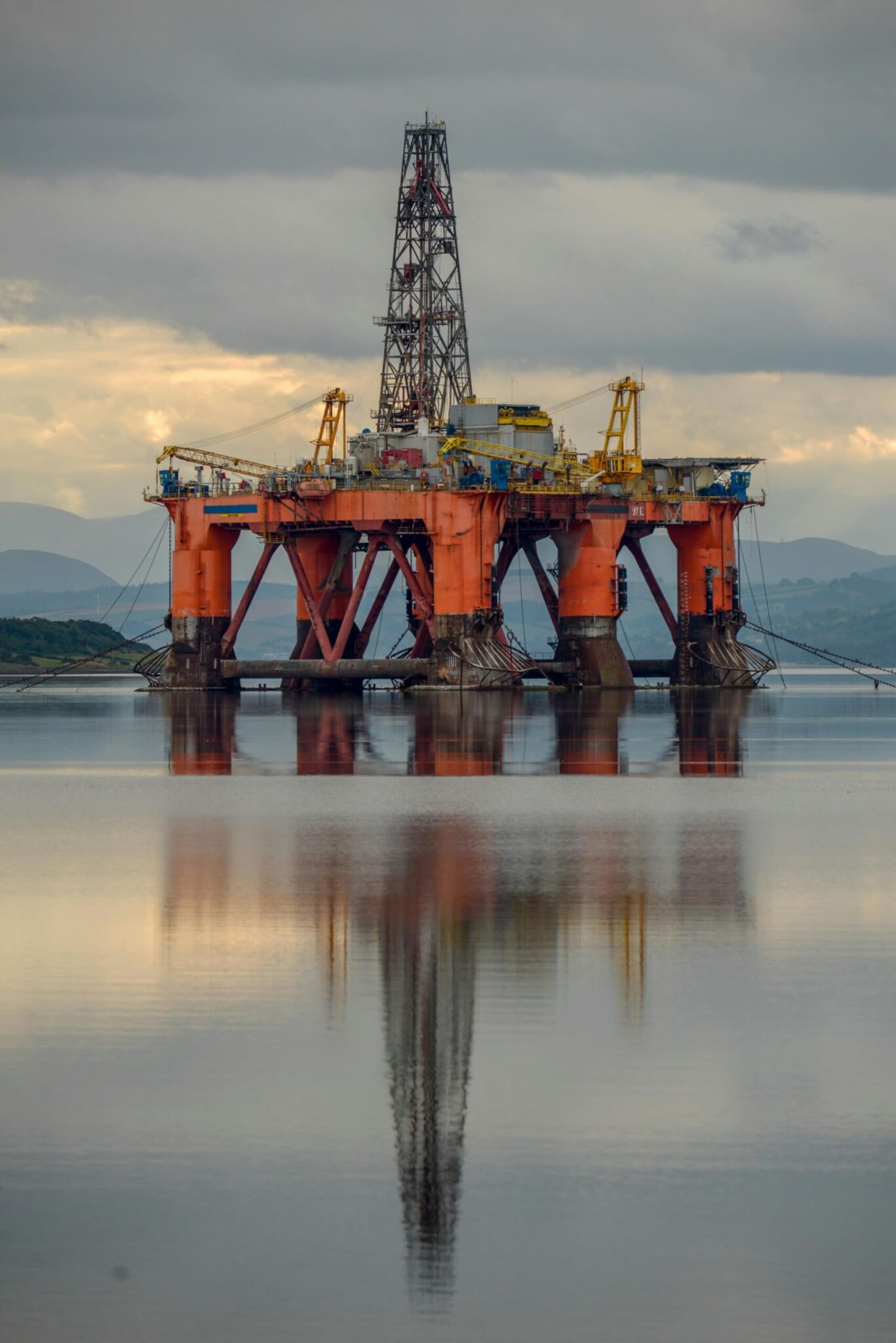
Plans to Phase Out Fossil Fuel by 2030
Climate Scorecard depends on donations from people like you
ABOUT CLIMATE SCORECARD MAGAZINE
Climate Scorecard Magazine is a monthly digital magazine intended to inform those interested in climate change about trends to reduce emissions in leading greenhouse emitting countries. Each month we will focus on a different topic related to climate change, e.g. fossil fuels, renewable energy; and provide our readers with information and analysis of policy and program trends within and across countries. We trust our magazine will help increase your knowledge and understanding and welcome your feedback. Please send any comments to: contact (at) climatescorecard.org.
Ron Israel
Publisher and Editor
Climate Scorecard Magazine
Introduction
For Magazine # 13 Climate Scorecard presents country plans for phasing out the use of fossil fuels by 2030. Our Country Plans are intended to support the Fossil Fuel Non-Proliferation Treaty Initiative ( https://www.fossilfueltreaty.org ).The Initiative is a joint diplomatic and civil society campaign to create a treaty to stop fossil fuel exploration and expansion and phase-out existing production in line with the targets of the Paris Climate Agreement.
The Country Plans provided in this magazine describe: the current amount of fossil fuels each country produces, consumes, imports and exports; and its proposed policies and programs for ending the production, consumption, and export of fossil fuels. Each report identifies how countries will work to end fossil fuel production and consumption; who will be responsible, and how will changes in emissions be measured?
The table below provides summaries for each country’s 2030 fossil fuel phase out strategy. Complete Country Reports follow below.
| Country | Summaries of 2030 Fossil Fuel Phase Out Strategies |
| Australia | Phasing out fossil fuels by 2030 would mark a dramatic shift, not just in energy policy, but in national identity. It would align Australia with the goals of the Paris Climate Agreement and position it as a leader in the global transition away from fossil fuels. |
| Brazil | A path for Brazil to gradually eliminate fossil fuel use by 2030, is built on three core pillars: production, consumption and international trade. |
| Canada | If Canada is to align with the global Fossil Fuel Non-Proliferation Treaty Initiative meant to phase-out fossil fuels in line with Paris Agreement targets, Canada’s 2030 Emissions Reduction Plan’s (ERP) target of a 45% reduction below 2005 levels requires an immediate overhaul and strong implementation. |
| China | China stands at a critical juncture in its climate journey. While the nation leads the world in renewable energy installation, its heavy reliance on coal remains the primary obstacle to the goals of the Fossil Fuel Non-Proliferation Treaty. |
| France | France has the means to phase out fossil fuels by 2030—but doing so will require accelerating existing policies and making firm political choices |
| Germany | Germany should accelerate coal retirement, end domestic oil and gas production, phase out fossil fuel use across power, transport, buildings and industry, and eliminate fossil fuel imports and exports, while funding a comprehensive just transition. |
| India | India’s energy strategy prioritizes equitable, development-oriented transition rather than a rapid fossil fuel phase-out. |
| Indonesia | Indonesia should implement an immediate moratorium on new coal, oil, and gas exploration licenses by 2026, followed by a structured phase-out of existing production. |
| Japan | A growing coalition of researchers, NGOs, and climate‑policy advocates argues that Japan can phase-out fossil fuels by 2030 if the government is willing to move with the urgency of a national transformation. |
| Mexico | The Fossil Fuel Non-Proliferation Treaty Initiative provides the necessary framework for Mexico to align its domestic independence with a just transition to renewable energy. |
| Nigeria | The Fossil Fuel Non-Proliferation Treaty offers a framework for a strategy to phase-out fossil fuels in Nigeria. |
| Saudi Arabia | The Kingdom should mandate Saudi Aramco to immediately halt new oil and gas field development and reduce production by 10% every five years, reaching zero new extraction by 2045. |
| South Africa | South Africa has developed a binding directive to the Department of Mineral Resources and Energy (DMRE) to align energy production with its Integrated Resource Plan (IRP) with 1.5C targets. |
| Spain | A Spanish initiative calls for three coordinated actions: ending fossil fuel expansion, phasing out existing production, and enabling a just transition to renewable energy. |
| Turkey | By aligning with the Fossil Fuel Non-Proliferation Treaty Initiative, Türkiye can transition from a net importer of carbon to a By sovereign leader in clean energy. |
| United Kingdom | Ending fossil fuel use in the United Kingdom by 2030 requires coordinated action across three major areas: Ending fossil fuel production, Ending fossil fuel consumption, Ending fossil fuel imports and exports. |
| United States | As fossil fuel consumption continues to increase related to this administration, it is appropriate to presume that the United States will be a large contributor in accelerating the climate crisis in the next few years. |
Country Reports
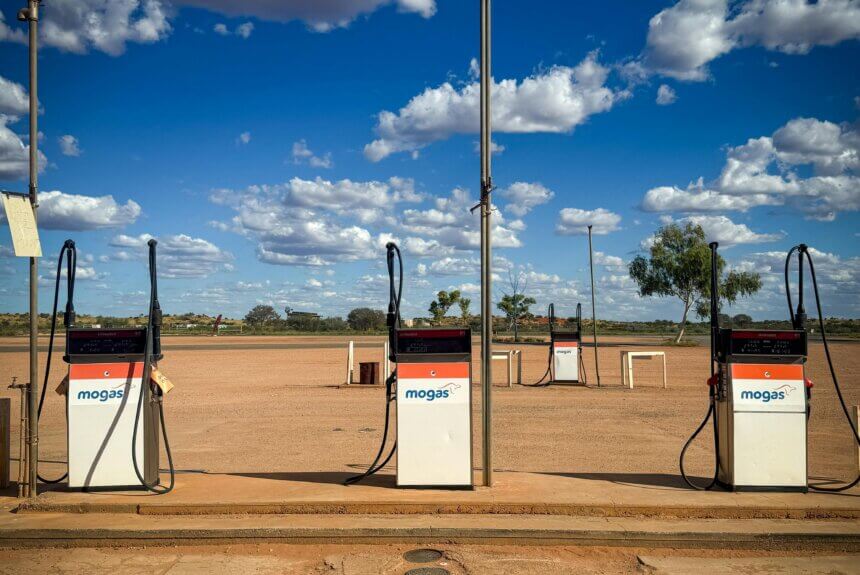
Australia: Plan to Phase Out Fossil Fuel by 2030
Phasing out fossil fuels by 2030 would mark a dramatic shift, not just in energy policy, but in national identity. It would align Australia with the goals of the Paris Climate Agreement and position it as a leader in the global transition away from fossil fuels.Australia’s Race to Quit Fossil Fuels by 2030 Australia sits…

Brazil: Plan to Phase Out Fossil Fuel by 2030
A path for Brazil to gradually eliminate fossil fuel use by 2030, built on three core pillars: production, consumption, and international trade.Brazil likes to present itself to the world as a green powerhouse: it has one of the most renewable electricity mixes on the planet, with large hydropower, wind, and solar generation. But behind the…
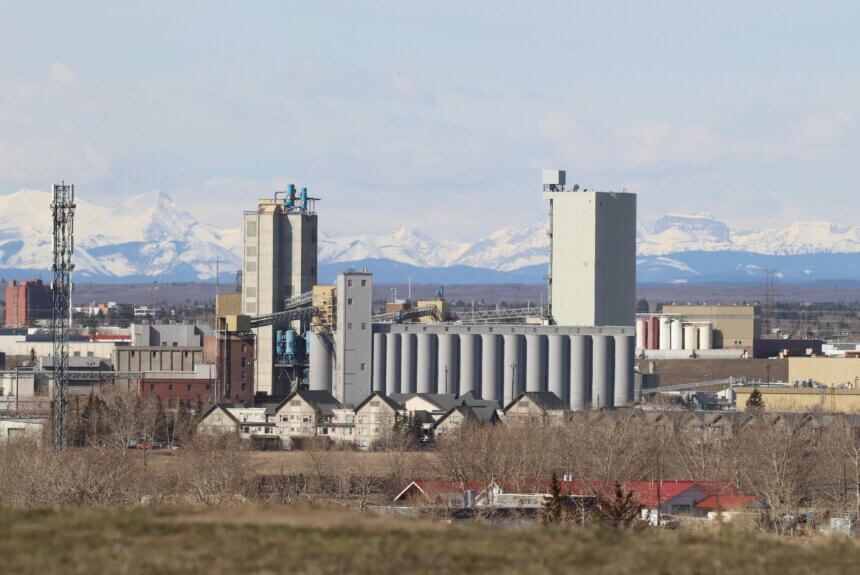
Canada: Plan to Phase Out Fossil Fuel by 2030
If Canada is to align with the global Fossil Fuel Non-Proliferation Treaty Initiative, which aims to phase out fossil fuels in line with Paris Agreement targets, Canada’s 2030 Emissions Reduction Plan (ERP) target of a 45% reduction below 2005 levels requires an immediate overhaul and strong implementation. Canada has made progress, yet often struggles to…

China: Plan to Phase Out Fossil Fuel by 2030
China stands at a critical juncture in its climate journey. While the nation leads the world in renewable energy installation, its heavy reliance on coal remains the primary obstacle to the goals of the Fossil Fuel Non-Proliferation Treaty. To align with a pathway, China must shift from “peaking before 2030” to an aggressive phase-out. 1….

France: Plan to Phase Out Fossil Fuel by 2030
France has the means to phase out fossil fuels by 2030—but doing so will require accelerating existing policies and making firm political choices. The following plan supports the Fossil Fuel Non-Proliferation Treaty Initiative:Today, France produces almost no fossil fuels domestically. Oil production is marginal, coal mining has already stopped, and most energy needs are met…

Germany: Plan to Phase Out Fossil Fuel by 2030
This plan is an advocacy-style roadmap inspired by the Fossil Fuel Non-Proliferation Treaty Initiative. Germany needs an ambitious national plan to achieve complete fossil fuel independence by 2030. This plan is an advocacy-style roadmap inspired by the Fossil Fuel Non-Proliferation Treaty Initiative, following endorsements from cities such as Bonn, Mannheim, Göttingen, Heidelberg, and Marburg. This proposal, therefore, can…
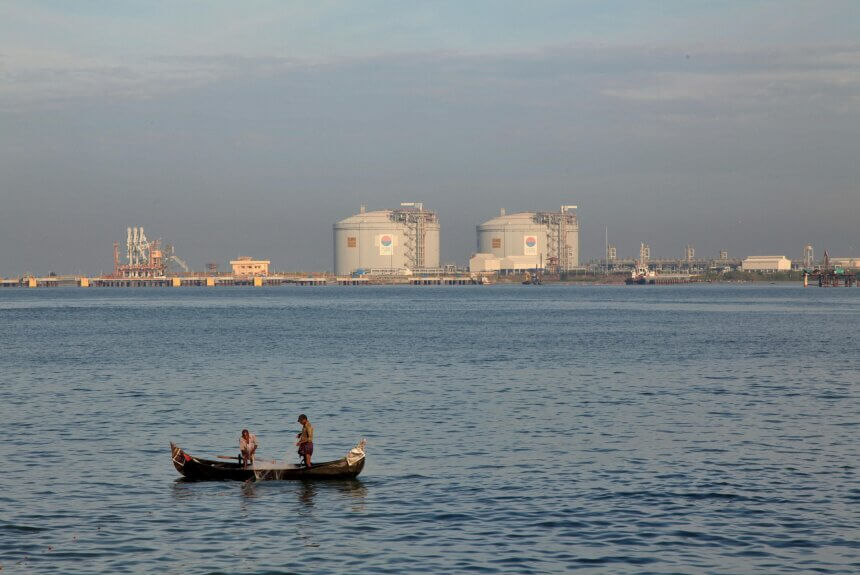
India: Plan to Phase Out Fossil Fuel by 2030
India’s energy strategy prioritizes an equitable, development-oriented transition rather than a rapid fossil-fuel phase-out.India’s energy strategy prioritizes an equitable, development-oriented transition rather than a rapid fossil-fuel phase-out. The government maintains fossil fuels (primarily coal) as essential for energy security, industrial growth, and reliable baseload power while aggressively expanding renewables. This approach aligns with India’s Updated…

Indonesia: Plan to Phase Out Fossil Fuel by 2030
Indonesia should implement an immediate moratorium on new coal, oil, and gas exploration licenses by 2026, followed by a structured phase-out of existing production.Indonesia stands at a critical turning point in its energy transition. As one of the world’s largest coal producers and exporters, the country plays a significant role in global emissions. Aligning with…

Japan: Plan to Phase Out Fossil Fuel by 2030
A growing coalition of researchers, NGOs, and climate‑policy advocates argues that Japan can phase out fossil fuels by 2030 if the government is willing to move with the urgency of a national transformation.Japan’s energy system reflects a long-standing contradiction. It is a global technology leader, yet almost entirely dependent on imported fossil fuels. Now, as…
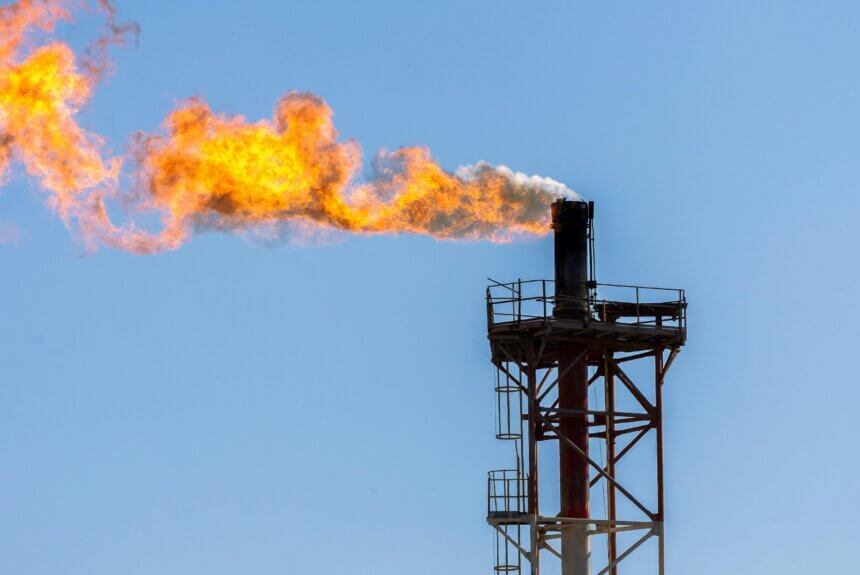
Mexico: Plan to Phase Out Fossil Fuel by 2030
The Fossil Fuel Non-Proliferation Treaty Initiative provides the necessary framework for Mexico to align its domestic independence with a just transition to renewable energy.Mexico’s energy policy stands at a critical crossroads as the nation balances “energy sovereignty” and the urgent demands of the global climate crisis. Over the last two years, the Sheinbaum administration has…

Nigeria: Plan to Phase Out Fossil Fuel by 2030
The Fossil Fuel Non-Proliferation Treaty provides a framework for a strategy to phase out fossil fuels in Nigeria. For decades, Nigeria has been defined by its oil—first as a producer, then as a paradoxical importer of its own refined products. Today, that paradox is finally unraveling. The Dangote Refinery now supplies more than 60 percent…
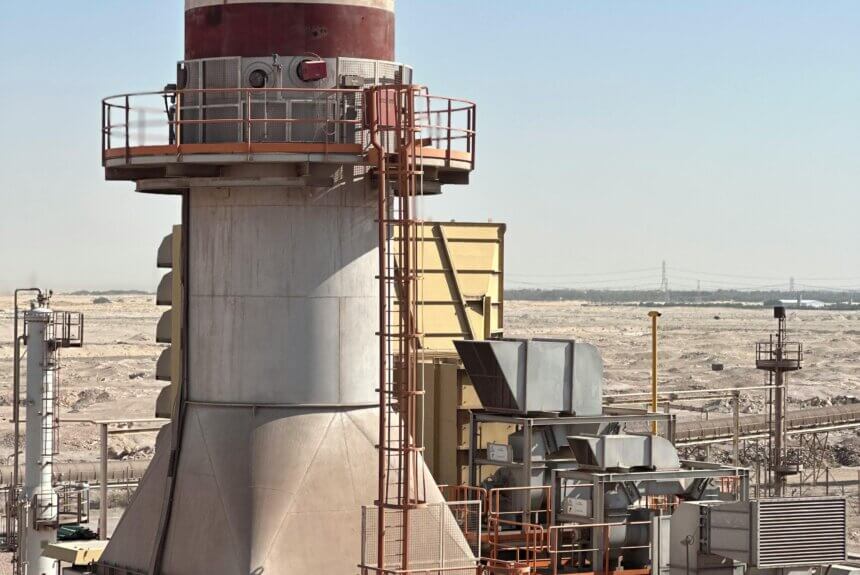
Saudi Arabia: Plan to Phase Out Fossil Fuel by 2030
Saudi Arabia is the 2nd largest crude oil producer in the region, producing 10,872,023 barrels per day. The country’s oil consumption decreased from 3.7 million b/d in 2023 to 3.6 million b/d in 2024. Saudi Arabia’s oil use for power generation fell by around 270,000 b/d in mid-2025, signaling early success in its plan to…

South Africa: Plan to Phase Out Fossil Fuel by 2030
South Africa has developed a binding directive to the Department of Mineral Resources and Energy (DMRE) to align energy production with its Integrated Resource Plan (IRP) with 2030 1.5 0C targets South Africa is planning to phase-out fossil fuel by 2030 aligning with the Fossil Fuel Non-Proliferation Treaty Initiative. It intends to exploit the Just…
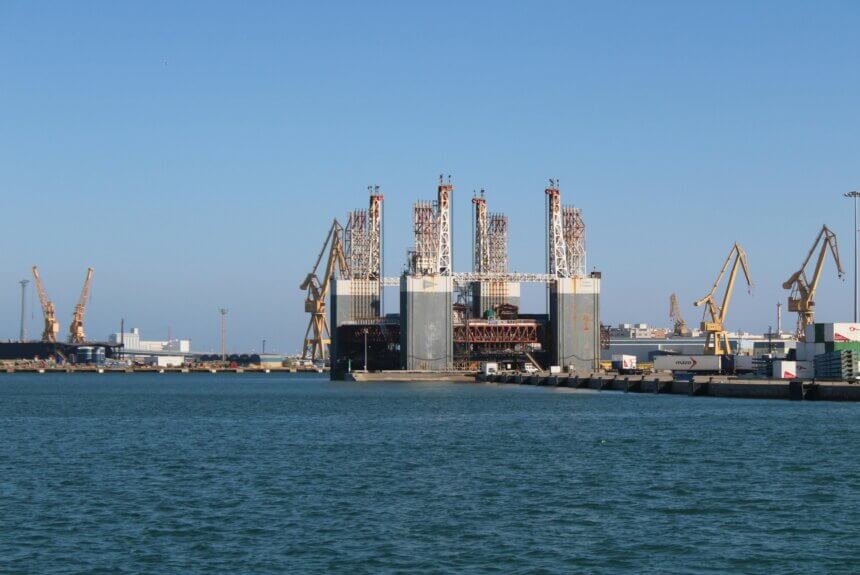
Spain: Plan to Phase Out Fossil Fuel by 2030
The initiative calls for three coordinated actions: ending the expansion of fossil fuels, phasing out existing production, and enabling a just transition to renewable energy.Spain has an opportunity to become one of the first major economies to fully phase out fossil fuels by 2030 while supporting the goals of the Fossil Fuel Non‑Proliferation Treaty Initiative….
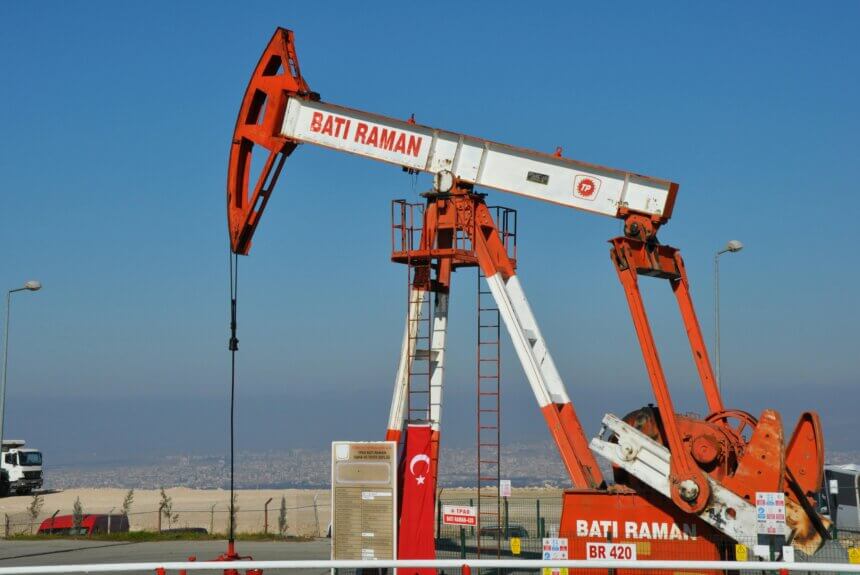
Turkey: Plan to Phase Out Fossil Fuel by 2030
By aligning with the Fossil Fuel Non-Proliferation Treaty Initiative, Türkiye can transition from a net importer of carbon to a sovereign leader in clean energy.As the global climate crisis intensifies, Türkiye stands at a decisive juncture. With an energy system historically anchored in fossil fuels yet blessed with vast renewable potential, the nation is uniquely…
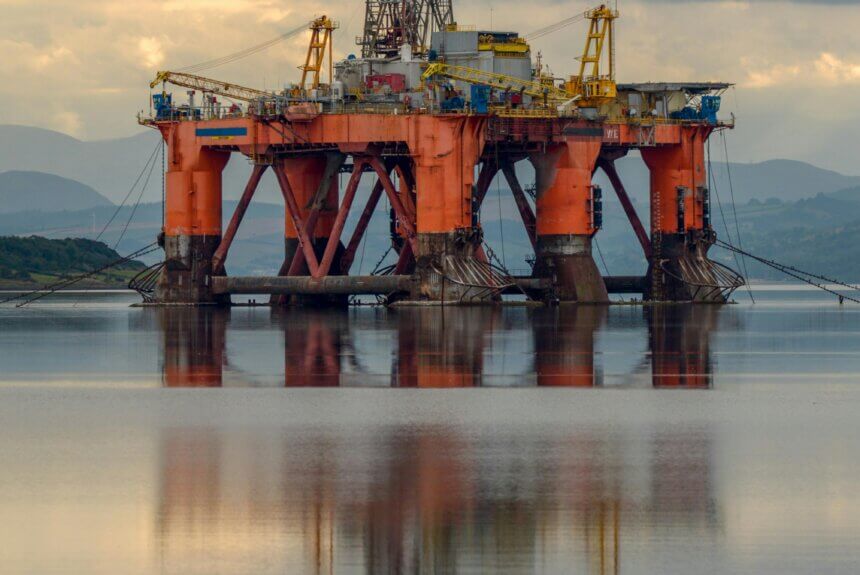
UK: Plan to Phase Out Fossil Fuel by 2030
Ending fossil fuel use in the United Kingdom by 2030 requires coordinated action across three major areas: Ending fossil fuel production, ending fossil fuel consumption, and ending fossil fuel imports and exports. For more than a century, fossil fuels have shaped the United Kingdom’s economy, infrastructure, and global influence. Coal powered the Industrial Revolution, North Sea…

US: Plan to Phase Out Fossil Fuel by 2030
There are few statistics on 2025 fossil fuel imports, exports, production, and consumption in the United States. However, in 2024, the United States exported 31% of its fossil fuel production–out of the 103 quadrillion British thermal units that were produced that year in the US, about 31 quads went to other countries. As for imports…
Climate Commitments
Tracking the short and long-term climate goals of leading greenhouse emissions countries
Read More

NDC Tracking Sources
View the sources we use to track progress of countries’ committments.
Read More