


THE CLIMATE SCORECARD MAGAZINE
A way to learn about efforts to fight climate change
in leading greenhouse gas emission countries
Issue #18 // October 2026
Weather Patterns and Climate Change
Climate Scorecard depends on donations from people like you
ABOUT CLIMATE SCORECARD MAGAZINE
Climate Scorecard Magazine is a monthly digital magazine intended to inform those interested in climate change about trends to reduce emissions in leading greenhouse emitting countries. Each month we will focus on a different topic related to climate change, e.g. fossil fuels, renewable energy; and provide our readers with information and analysis of policy and program trends within and across countries. We trust our magazine will help increase your knowledge and understanding and welcome your feedback. Please send any comments to: contact (at) climatescorecard.org.
Ron Israel
Publisher and Editor
Climate Scorecard Magazine
Introduction
Climate Scorecard Magazine # 18 describes how weather patterns affect climate change in leading greenhouse gas emitting counties. Particular attention is given to the impact on climate of extreme weather events that are increasingly occurring in countries around the world. Each Country Report also contains examples of what countries are doing to mitigate the effects of extreme weather on climate. Table A below provides a summary of weather’s effect on country greenhouse gas emissions. Complete Country Reports follow.
Table A: The Impact of Weather on Country Climate Change
| Country | Emission Status Highlight |
| Australia | Australia’s national emissions are nevertheless declining. In the year to December 2025, emissions were about 458.9 million tonnes of CO2-equivalent, 24.5% below 2005 levels. |
| Brazil | Projections for the remainder of the 21st century are alarming. National and IPCC studies predict a temperature rise of up to 6 °C in the Amazon and 5.5 °C in the Cerrado by 2100 |
| Canada | 7 of Canada’s 10 warmest years on record have occurred within this two-decade window, accompanied by dramatic increases in weather whiplash (rapid shifts between opposing weather states such as severe drought to intense flooding) and catastrophic wildfire seasons. |
| China | Extreme weather Is Forcing a High-Tech energy grid overhaul. |
| European Union | Europe has credible laws, but it still needs faster implementation, stronger domestic cuts, protected carbon sinks and funded, measurable adaptation. |
| France | France’s current trajectory requires about a 5% annual emissions reduction through 2030, compared with an estimated 1.5% reduction in 2025. |
| Germany | Germany now has much of the legal architecture needed to adapt existing weather patterns. The bigger question is whether implementation can keep pace with the climate itself. |
| India | India has correctly identified reducing greenhouse gas emissions and investing in ecosystem services as key to its survival. However, India must accelerate the timeline for reducing greenhouse gas emissions and phasing out coal dependence. |
| Indonesia | The country’s future climate risk will depend not only on how much global warming occurs, but on whether Indonesia can prevent increasingly hot, dry conditions from triggering fires while managing more intense rainfall, flooding, and rising demand for cooling. |
| Japan | The stark lesson of the last 20 years is that cutting emissions is vital to slow future extremes. Still, resilient, heavy-duty local infrastructure dictates how much damage Japan must endure along the way. |
| Mexico | In Mexico, severe weather patterns have a profound impact felt across every region of the country. |
| Nigeria | The World Meteorological Organization confirms that Nigeria’s past eleven years rank among the warmest in the modern global record, with 2025 among the three hottest years ever measured worldwide. |
| Saudi Arabia | Future weather patterns suggest the Kingdom will experience some of the world’s highest average temperatures, and climate projections indicate a potential rise of up to 5.6°C by the end of the century under the most severe scenarios. |
| South Africa | The gap in addressing climate change isn’t in the legislation but in local government capacity, adaptation funding, and execution speed. |
| Turkey | Türkiye is heading toward a much hotter, generally drier climate. |
| United Kingdom | The UK has warmed significantly, with the last twenty years containing many of the warmest years on record. |
| United States | As weather patterns shift, more energy will be used to keep buildings heated and cooled, increasing energy consumption. |
Country Reports
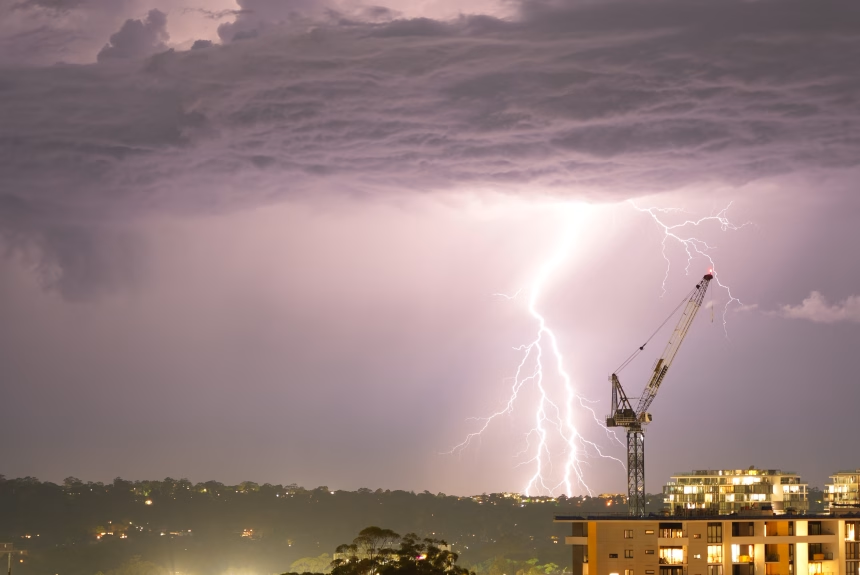
Australia: Weather Patterns and Climate Change
Australia’s national emissions are nevertheless declining. In the year to December 2025, emissions were about 458.9 million tonnes of CO2-equivalent, 24.5% below 2005 levels. Over the past two decades, Australia has experienced a clear shift toward a warmer and more climate-stressed environment, although the pattern is not simply “hotter and drier.” Natural climate drivers such…
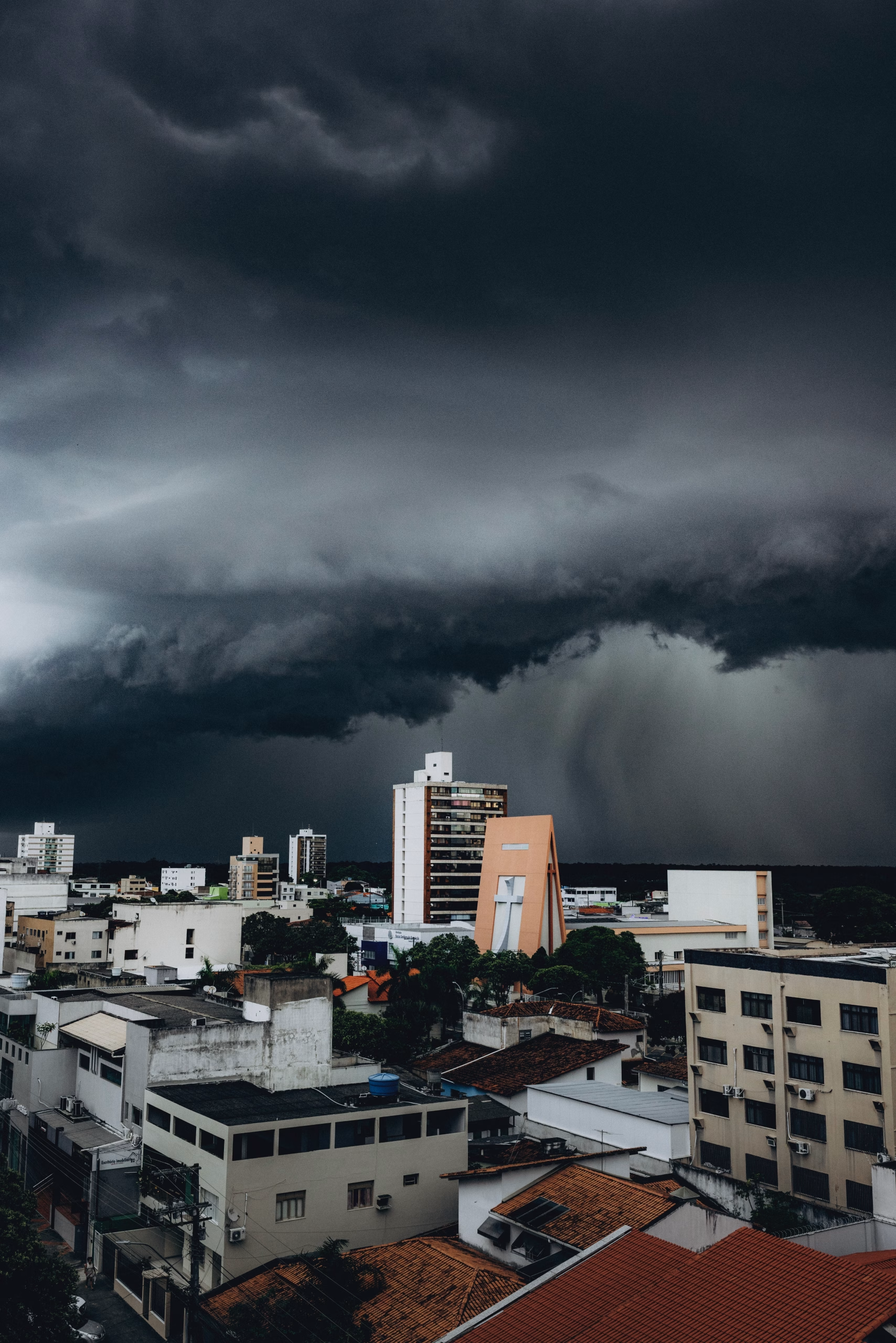
Brazil: Weather Patterns and Climate Change
Projections for the remainder of the 21st century are alarming. National and IPCC studies predict a temperature rise of up to 6 °C in the Amazon and 5.5 °C in the Cerrado by 2100.Summary and Review of Weather Patterns (2004–2024) Over the past two decades, Brazil has shifted from a global example of emission reductions…
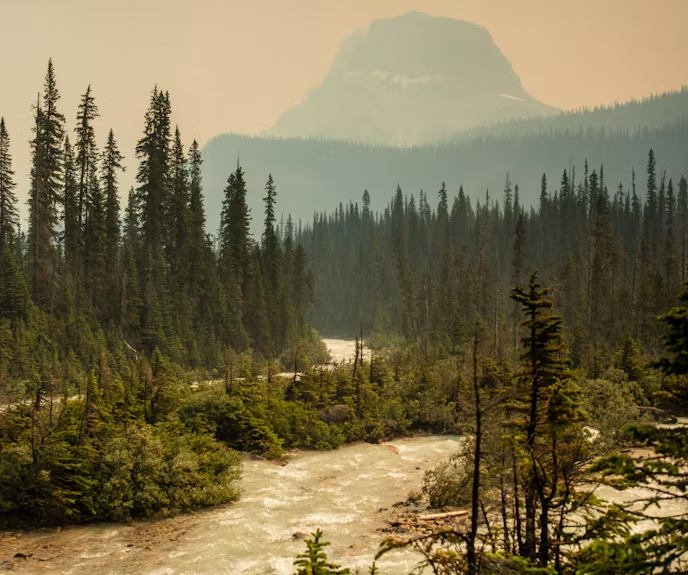
Canada: Weather Patterns and Climate Change
7 of Canada’s 10 warmest years on record have occurred within this two-decade window, accompanied by dramatic increases in weather whiplash (rapid shifts between opposing weather states such as severe drought to intense flooding) and catastrophic wildfire seasons. Over the last 20 years, Environment and Climate Change Canada (ECCC) reports that Canadian weather has shifted markedly,…
China: Weather Patterns and Climate Change
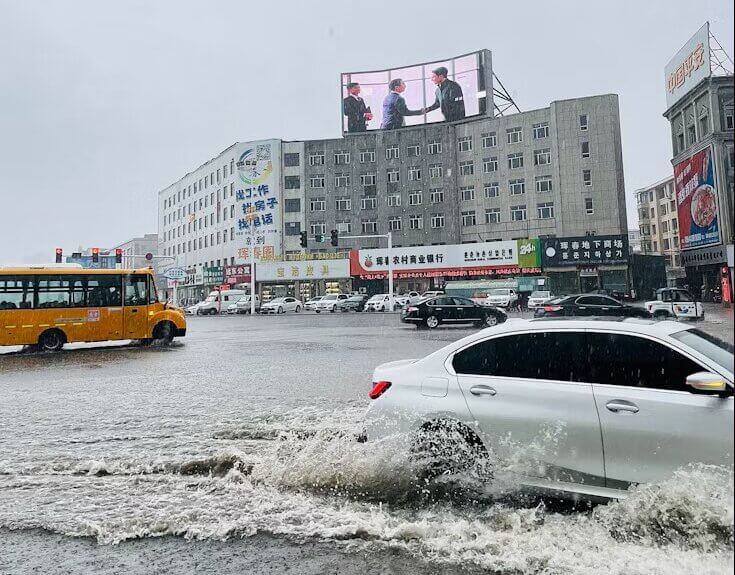
Extreme Weather Is Forcing a High-Tech Energy Grid OverhaulChina is currently navigating a high-stakes climate paradox. As the world’s top investor in clean tech—building more solar panels, wind turbines, and ultra-high-voltage (UHV) power lines than any other nation—it is simultaneously being hit by volatile weather patterns that threaten its energy security, agricultural output, and economic…
EU: Weather Patterns and Climate Change
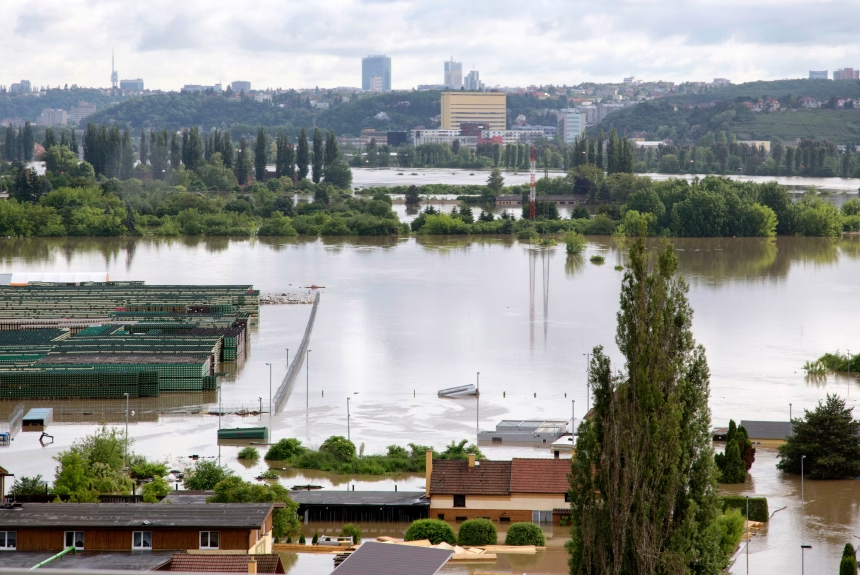
Europe has credible laws, but it still needs faster implementation, stronger domestic cuts, protected carbon sinks and funded, measurable adaptation.Over roughly 2006–2026, Europe’s weather has not simply become “warmer”; it has become more volatile and regionally divided. Europe has warmed more than twice as fast as the global average since the 1980s, and 2024 was…
France: Weather Patterns and Climate Change
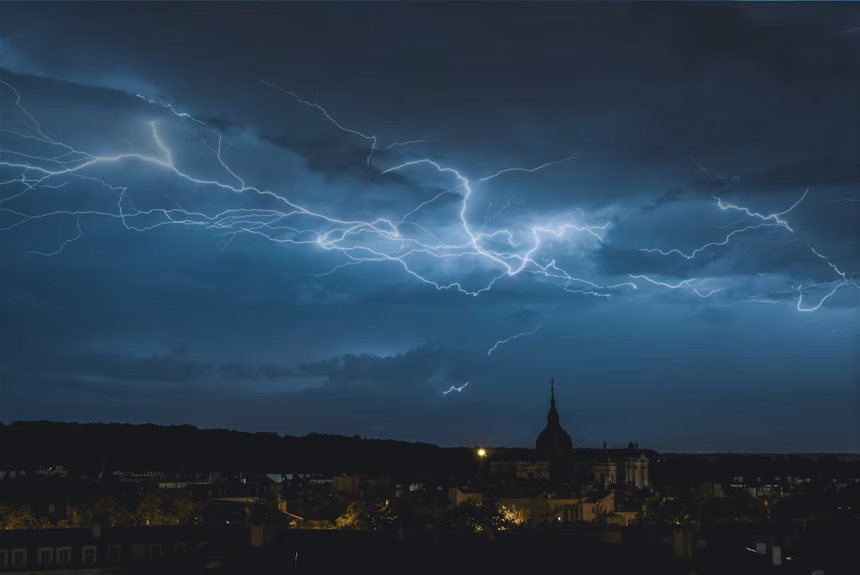
Over the past 20 years, France has warmed, with more frequent heatwaves, droughts, and extreme rainfall; nine of the ten warmest years on record occurred after 2010, with 2022 the warmest year. This trend is expected to continue. France’s climate projections indicate approximately +2.7°C of warming by 2050 and around +4°C by 2100 compared with…

Germany: Weather Patterns and Climate Change
Germany now has much of the legal architecture needed to adapt. The bigger question is whether implementation can keep pace with the climate itself.In July 2021, a slow-moving storm brought record rainfall to western Germany, causing catastrophic flooding along the Ahr River. Four years later, Germany experienced its worst wildfire season since records began in…
India: Weather Patterns and Climate Change
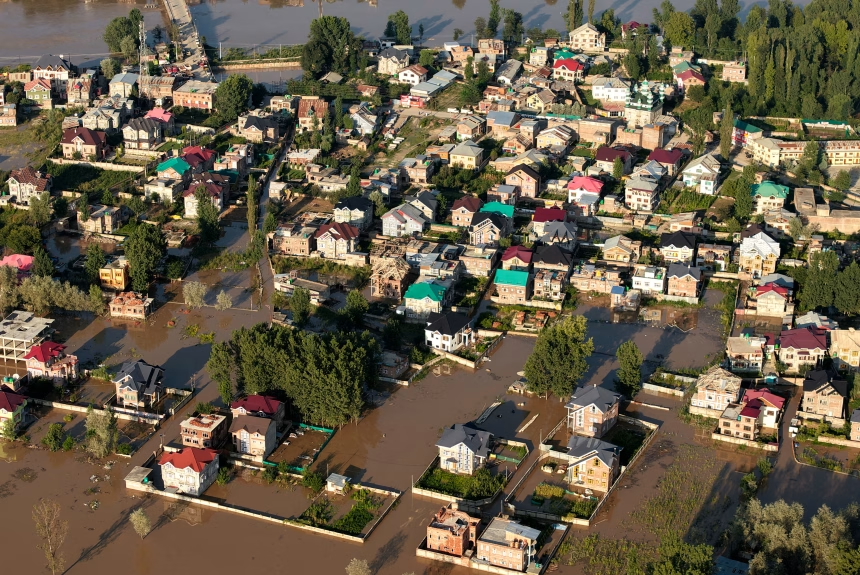
India has correctly identified reducing greenhouse gas emissions and investing in ecosystem services as key to its survival. However, India must accelerate the timeline for reducing greenhouse gas emissions and phasing out coal dependence.According to data from the Intergovernmental Panel on Climate Change (IPCC) and predictive models (CMIP6), over the past 20 years, India’s average…
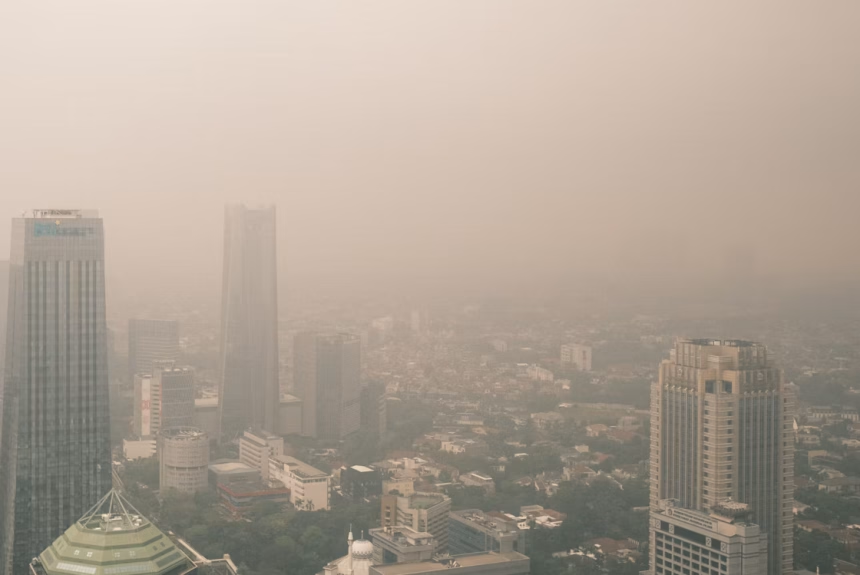
Indonesia: Weather Patterns and Climate Change
The country’s future climate risk will depend not only on how much global warming occurs, but on whether Indonesia can prevent increasingly hot, dry conditions from triggering fires while managing more intense rainfall, flooding, and rising demand for cooling.Over the past 20 years, Indonesia has experienced rising temperatures alongside increasingly disruptive rainfall extremes, droughts and…

Japan: Weather Patterns and Climate Change
The stark lesson of the last 20 years is that cutting emissions is vital to slow future extremes. Still, resilient, heavy-duty local infrastructure dictates how much damage Japan must endure along the way.Japan’s weather has always been a complex mix of monsoons, typhoons, and sharp regional divides. Over the past two decades, however, those long-established…
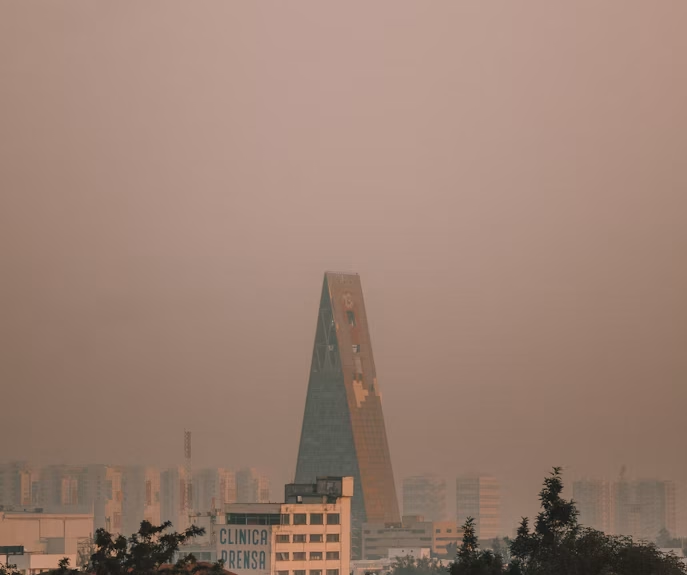
Mexico: Weather Patterns and Climate Change
In Mexico, severe weather patterns have a profound impact felt across every region of the country.Mexico, like many other countries worldwide, is experiencing an increase in erratic, severe weather patterns unlike anything we have seen before. Weather systems, which depend entirely on a stable climate, are growing increasingly forceful and destructive. In Mexico, this impact…
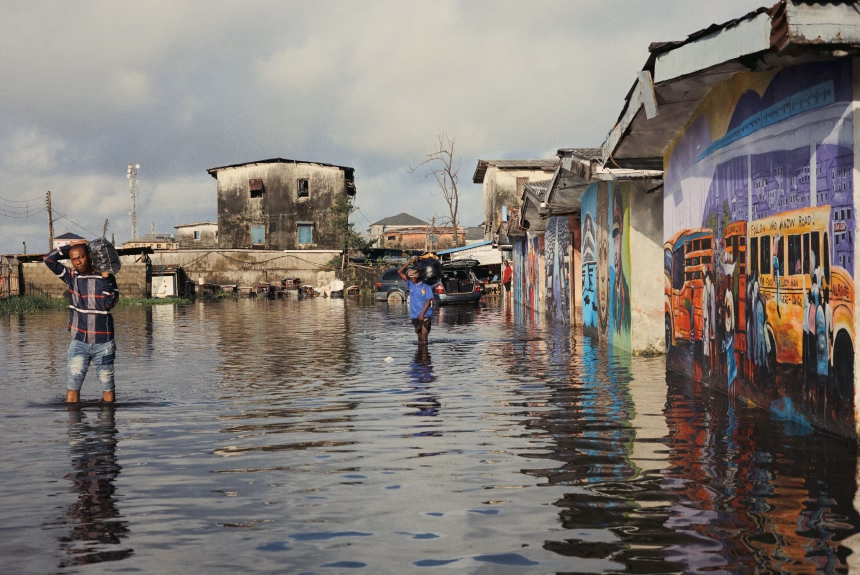
Nigeria: Weather Patterns and Climate Change
The World Meteorological Organization confirms that Nigeria’s past eleven years rank among the warmest in the modern global record, with 2025 among the three hottest years ever measured worldwide. Nigeria’s weather has always followed a rhythm familiar to those who live by it: the long dry stretch of harmattan giving way to a reliable rainy…
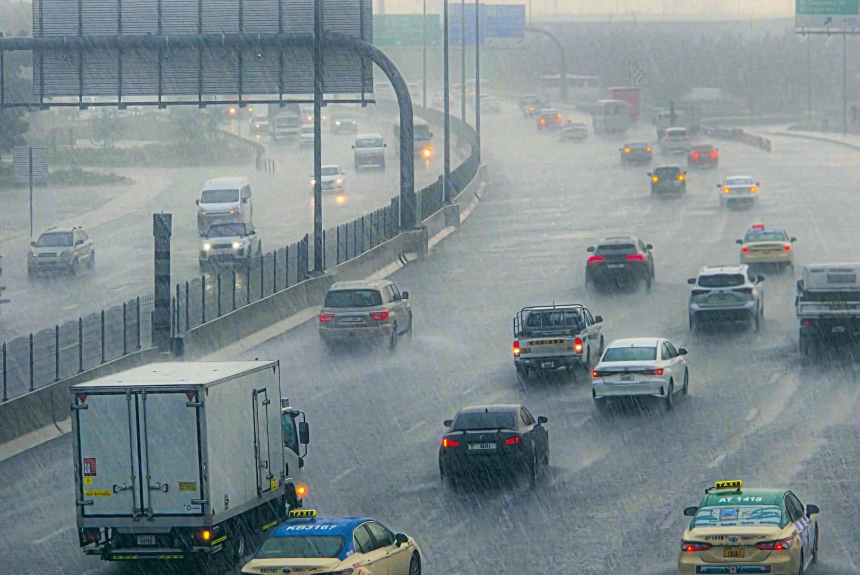
Saudi Arabia: Weather Patterns and Climate Change
Future weather patterns suggest the Kingdom will experience some of the world’s highest average temperatures, and climate projections indicate a potential rise of up to 5.6°C by the end of the century under the most severe scenarios.Weather patterns indicate that, over the past four decades, Saudi Arabia has warmed at a rate 50 percent higher…
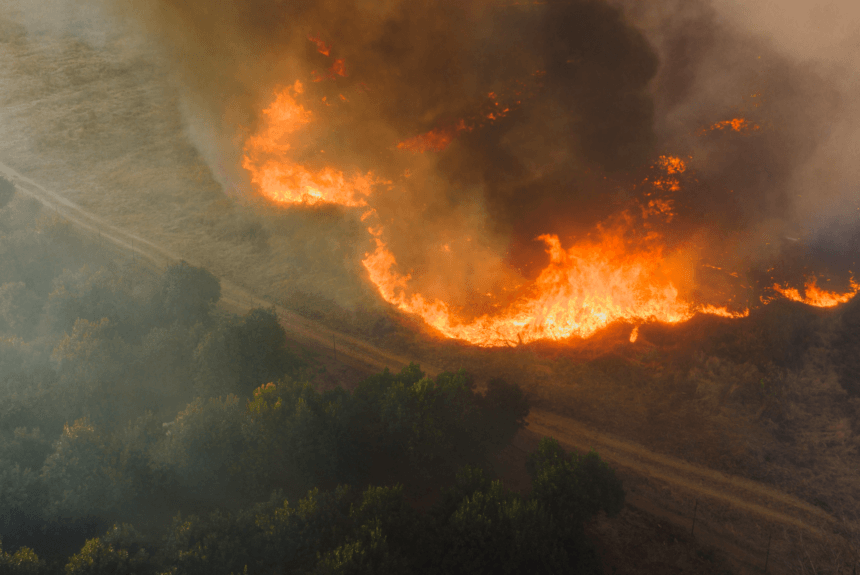
South Africa: Weather Patterns and Climate Change
The gap isn’t in the legislation but in local government capacity, adaptation funding, and execution speed.South Africa has warmed approximately 1.3°C since 1976, at roughly twice the global average rate, and the effects are visible in the data. Since 2004, the national mean temperature has risen by an estimated 0.8°C above already-elevated baselines, with warming…
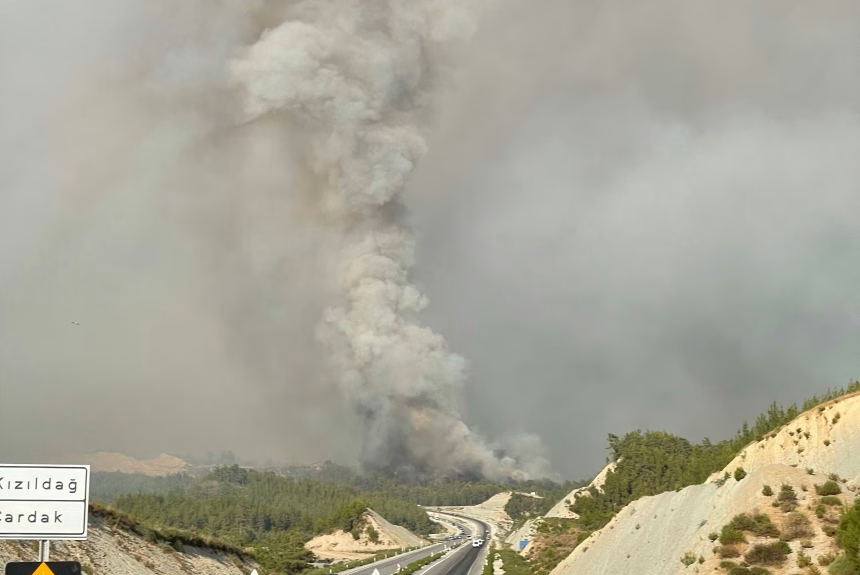
Turkey: Weather Patterns and Climate Change
Türkiye is heading toward a much hotter, generally drier climate. Türkiye is heading toward a considerably hotter and generally drier climate. Türkiye is getting warmer, rainfall is becoming less predictable, droughts are becoming more important, and extreme heat is occurring more often. At the same time, heavy rainfall and floods remain a serious threat. This…
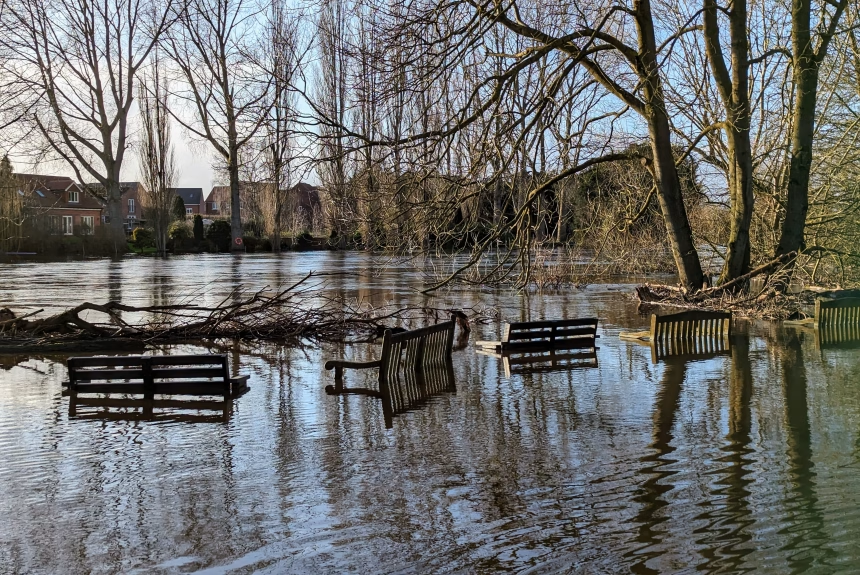
UK: Weather Patterns and Climate Change
The UK has warmed significantly, with the last twenty years containing many of the warmest years on record. Over the past two decades, the United Kingdom’s weather has become an increasingly visible expression of climate change. The country is experiencing hotter summers, milder winters, more intense rainfall, recurring drought and a growing risk of severe…
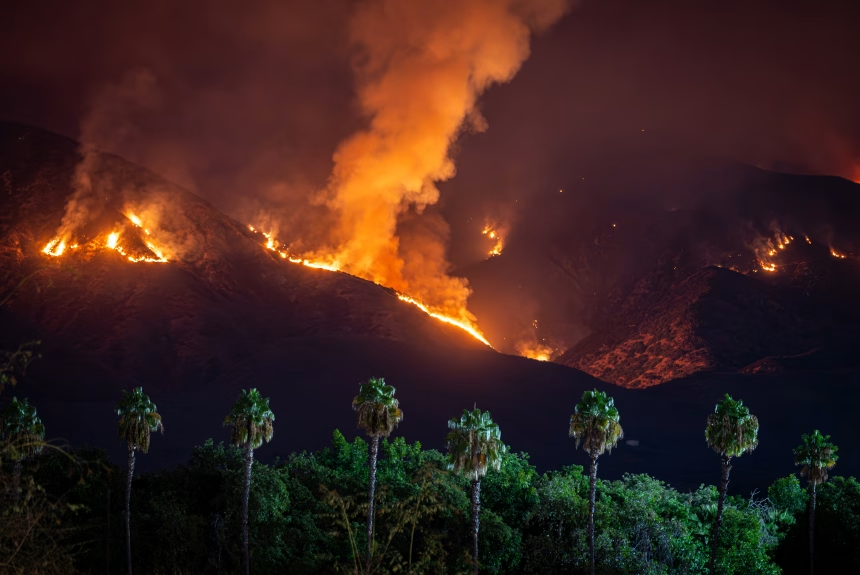
US: Weather Patterns and Climate Change
As weather patterns shift, more energy will be used to keep buildings heated and cooled, increasing energy consumption.The United States has faced changing weather patterns and an overall average temperature increase of 1.6°C, and this is expected to continue. Examples of shifting weather patterns include more severe drought in the Southwest and the Great Plains,…
Climate Commitments
Tracking the short and long-term climate goals of leading greenhouse emissions countries
Read More
NDC Tracking Sources
View the sources we use to track progress of countries’ committments.
Read More