


THE CLIMATE SCORECARD MAGAZINE
A way to learn about efforts to fight climate change
in leading greenhouse gas emission countries
Issue #15 // July 2026
The Status of Solar and Wind Energy
Climate Scorecard depends on donations from people like you
ABOUT CLIMATE SCORECARD MAGAZINE
Climate Scorecard Magazine is a monthly digital magazine intended to inform those interested in climate change about trends to reduce emissions in leading greenhouse emitting countries. Each month we will focus on a different topic related to climate change, e.g. fossil fuels, renewable energy; and provide our readers with information and analysis of policy and program trends within and across countries. We trust our magazine will help increase your knowledge and understanding and welcome your feedback. Please send any comments to: contact (at) climatescorecard.org.
Ron Israel
Publisher and Editor
Climate Scorecard Magazine
Introduction
Table A: Status of Renewable Energy in Each Country
| Country | Renewable Energy Status |
| Australia |
Wind and solar generation together exceeded coal and gas generation during several periods in late 2025, reflecting a major structural transition in the energy sector.
|
| Brazil |
Wind energy, concentrated mainly in the Northeast, is now the second main source of the electricity matrix, while solar energy is growing at an even faster pace.
|
| Canada |
Wind and solar are projected to become the future backbone of Canada’s electrical grid.
|
| China |
Despite the breakneck expansion of green infrastructure, the current balance of power still tilts toward traditional sources. Fossil fuels remain China’s primary energy backbone.
|
| European Union |
Despite the breakneck expansion of green infrastructure, the current balance of power still tilts toward traditional sources. Fossil fuels remain China’s primary energy backbone.
|
| France |
Nuclear energy provides roughly 65–70% of France’s electricity. For this reason, it is currently considered by some policymakers as a “green” or transitional energy source. However, this classification remains controversial.
|
| Germany |
Germany has built the most formidable wind and solar system in Europe. Now it faces the harder challenge: a grid too slow to carry the power, and a political mood turning back towards gas.
|
| India |
Despite rapidly expanding its solar and wind capacity toward an ambitious 500 GW non-fossil target by 2030, the country’s energy balance still heavily favors traditional sources, with coal remaining the backbone of electricity generation at around 69%.
|
| Indonesia |
As of 2025, renewables account for only about 15.75% of Indonesia’s total installed power capacity, with hydropower, geothermal, and bioenergy dominating the renewable mix.
|
| Japan |
Fossil fuels continue to account for the majority of Japan’s energy mix.
|
| Mexico |
Fossil fuels remain the undisputed heavyweight of Mexican consumption, generating more than 74% of the country’s electricity, driven heavily by natural gas combined-cycle plants.
|
| Nigeria |
Nigeria’s solar story is being written from the bottom up. Approximately 96 percent of Nigeria’s solar capacity is off-grid — private mini-grids, rooftop arrays, and solar home systems deployed in villages and industrial estates that the national grid has never reliably served.
|
| Saudi Arabia |
The balance between renewables and fossil fuels remains heavily skewed toward the latter. Natural gas accounts for roughly 62% of electricity generation and oil approximately 38%, while renewables account for less than 1% of the energy mix.
|
| South Africa |
Wealthier households and larger firms can reduce their dependence on the grid, while poorer communities remain exposed to municipal failures and high electricity prices.
|
| Spain |
Spain has emerged as a global clean energy superpower, shattering its own historical records by generating over 56.8% of its national electricity from renewable sources. Coal has been effectively eliminated, plummeting to less than 3% of the annual electricity mix.
|
| Turkey |
Together, wind and solar now generate more than one-fifth of Türkiye’s total electricity supply.
|
| United Kingdom |
At present, wind power represents the backbone of the UK’s renewable energy strategy. According to recent government and industry data, wind energy contributes roughly 30 percent of the country’s electricity generation.
|
| United States |
The Trump Administration has made significant efforts to undo the policies and incentives that the Biden Administration did to stimulate RE growth since taking office, and when the Trump policies take effect, it could be devastating for the renewable energy sector.
|
Country Reports
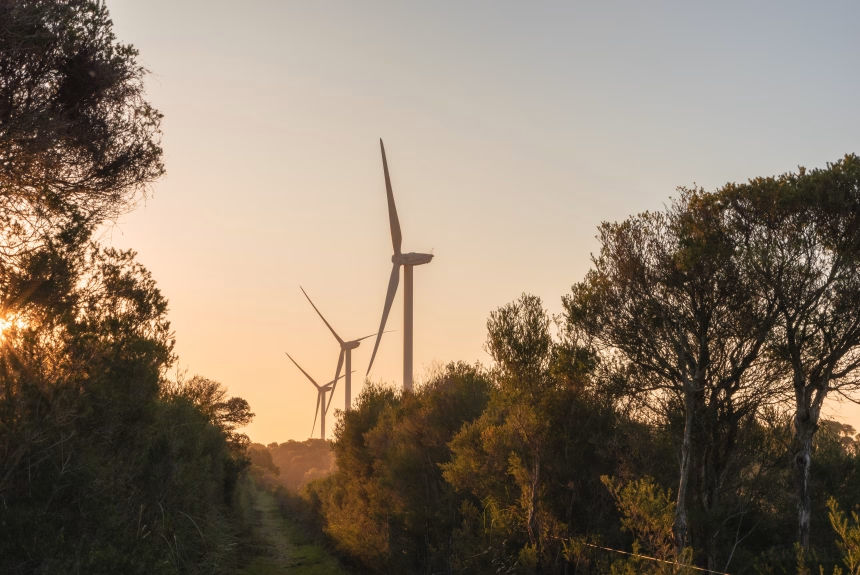
Australia: The Status of Solar and Wind Energy
Wind and solar generation together exceeded coal and gas generation during several periods in late 2025, reflecting a major structural transition in the energy sector. Australia’s renewable energy system has expanded rapidly over the past decade, particularly in solar and wind power. As of early 2026, rooftop solar capacity has reached approximately 28.3 GW, while renewable…
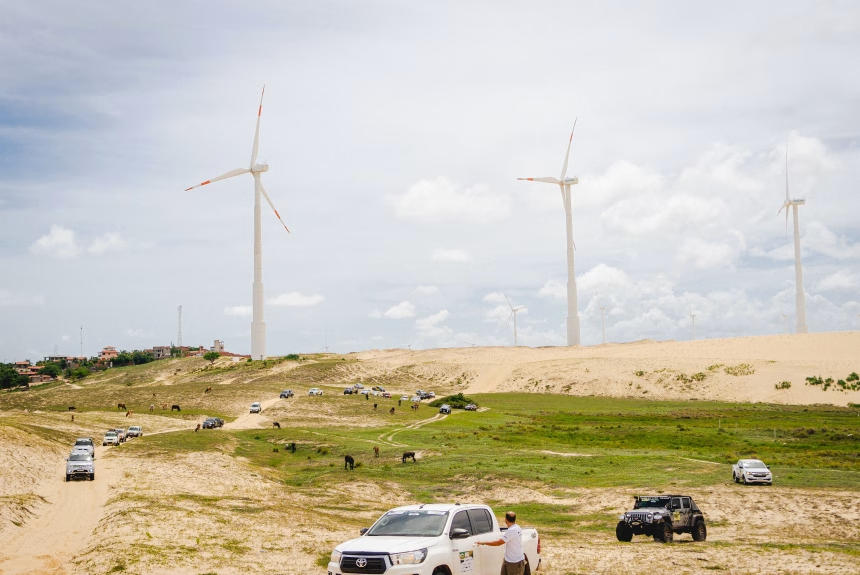
Brazil: The Status of Solar and Wind Energy
Wind energy, concentrated mainly in the Northeast, is now the second-largest source in the electricity matrix, while solar energy is growing even faster.Brazil has established itself as a global leader in renewable energy, with strong growth in solar and wind power generation. By 2024, these sources combined would account for about a quarter of installed…
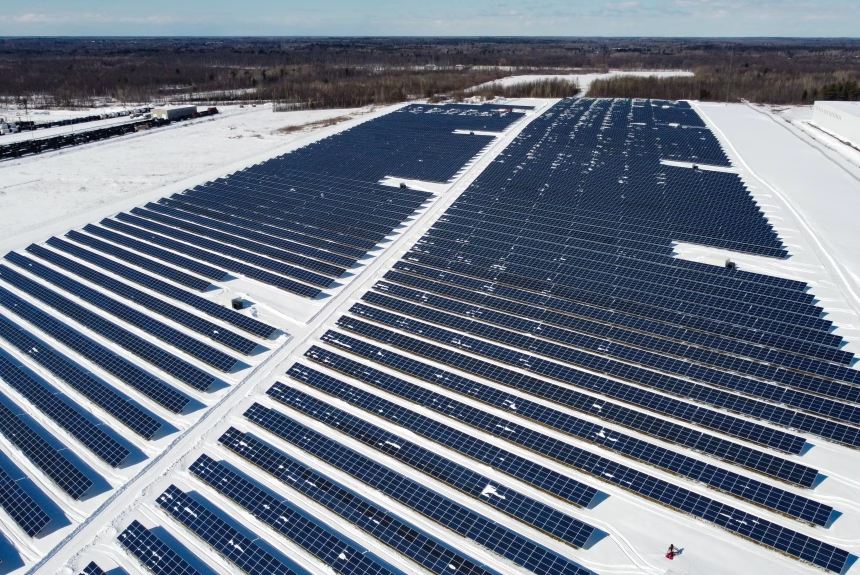
Canada: The Status of Solar and Wind Energy
Wind and solar are projected to become the future backbone of Canada’s electrical grid.Canada’s Energy Regulator (CER) shows that over the past decade, wind and solar have seen steady growth, further diversifying Canada’s clean electricity mix with regional variations reflecting differences in geography, resource availability, and provincial policy priorities. Stats Canada reported in 2025 that…
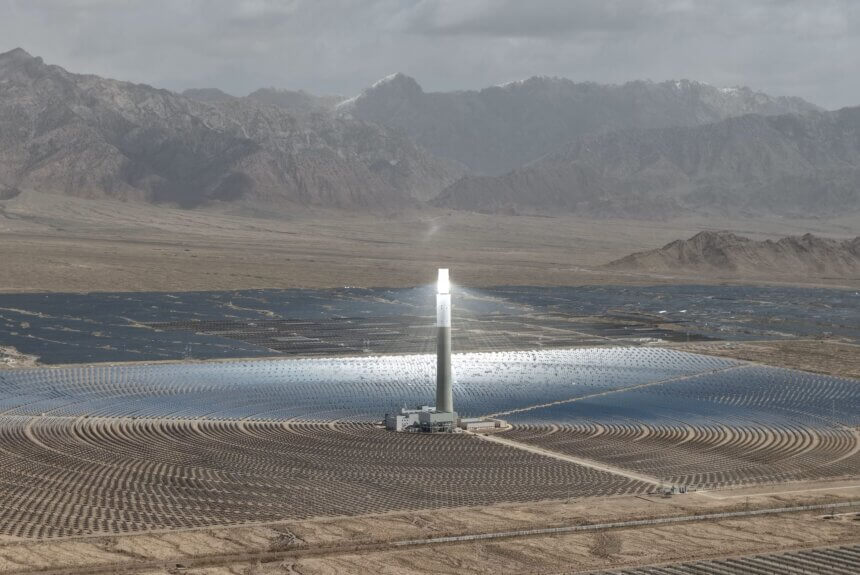
China: The Status of Solar and Wind Energy
Despite the breakneck expansion of green infrastructure, the current balance of power still tilts toward traditional sources. Fossil fuels remain China’s primary energy backbone. In 2025, China’s power sector achieved a historic milestone, cementing its position at the forefront of the global energy transition. Wind and solar energy generated 22% of the nation’s total electricity,…
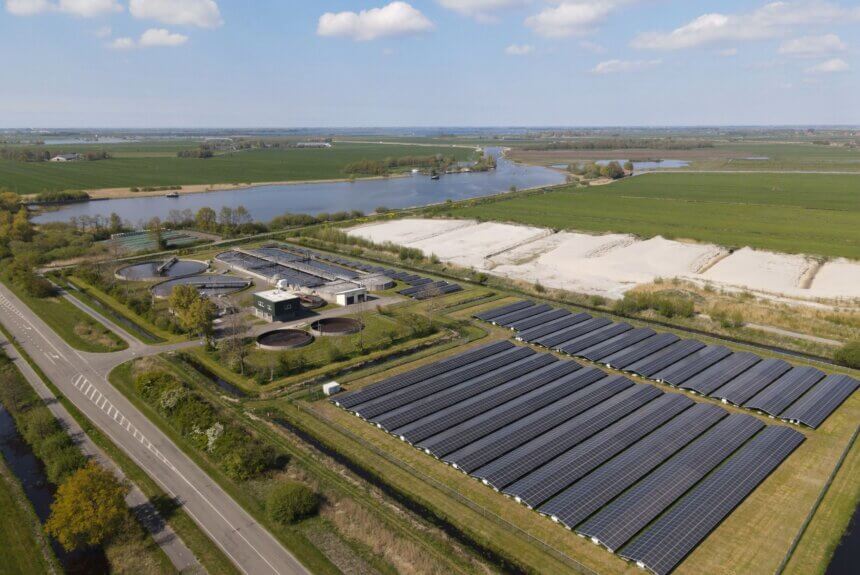
EU: The Status of Solar and Wind Energy
In 2025, the European Union crossed a landmark energy threshold: for the first time in history, wind and solar power together generated more electricity than fossil fuels. According to data published by the energy think tank Ember and confirmed by Eurostat, wind and solar jointly accounted for 30% of EU electricity production, narrowly surpassing fossil…
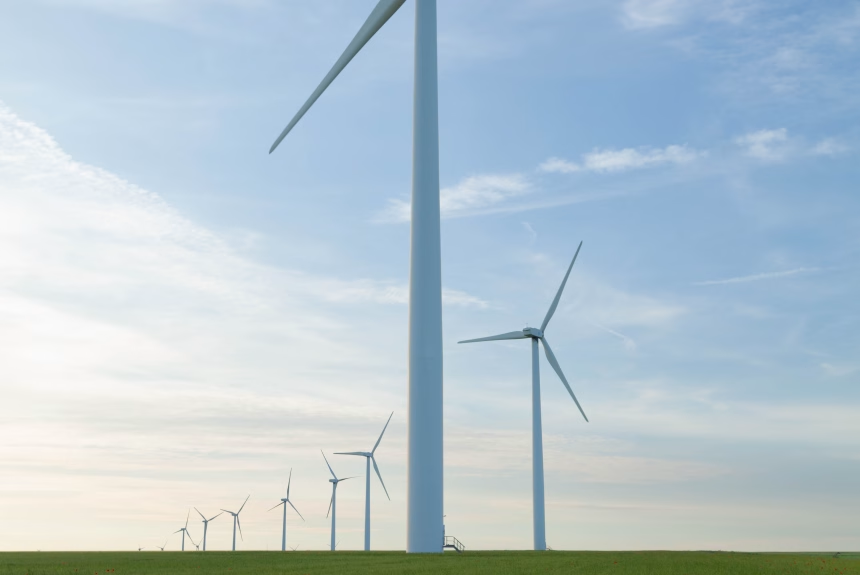
France: The Status of Solar and Wind Energy
Nuclear energy provides roughly 65–70 percent of France’s electricity. For this reason, it is currently considered by some policymakers as a “green” or transitional energy source. However, this classification remains controversial.France has steadily expanded solar and wind energy, though its electricity system remains dominated by nuclear power. Wind power supplies about 8–10 percent of electricity,…
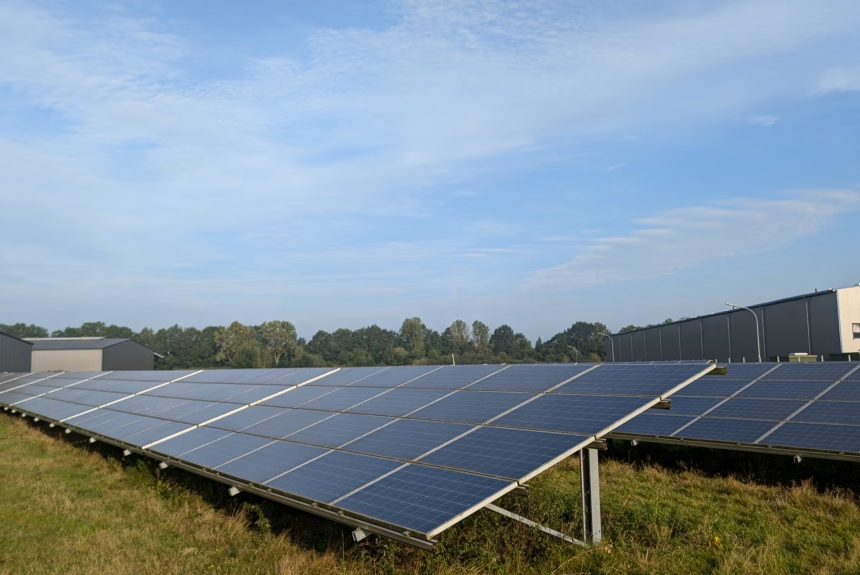
Germany: The Status of Solar and Wind Energy
Half-Powered by Wind and Sun — and Running Out of Grid Germany has built the most formidable wind and solar system in Europe. Now it faces the harder challenge: a grid too slow to carry the power, and a political mood turning back towards gas. 25 years ago, coal-fired power plants provided more than half…
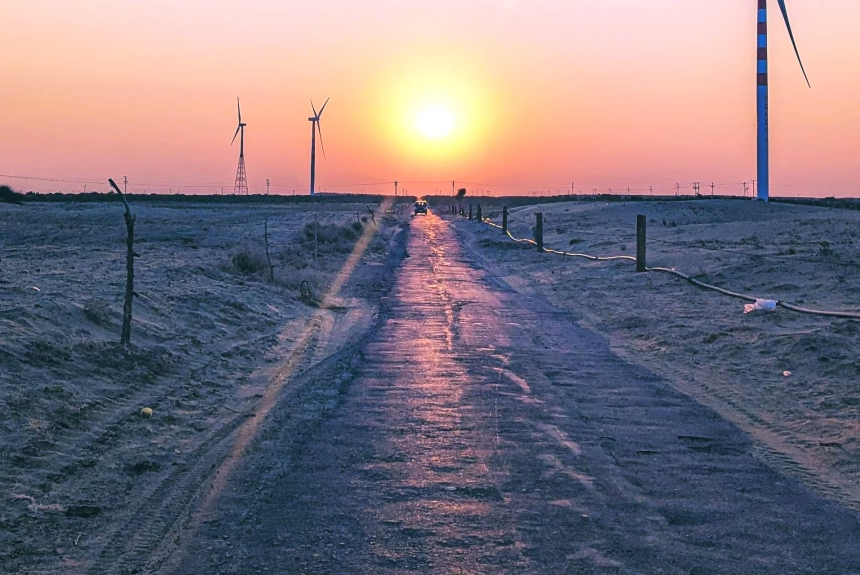
India: The Status of Solar and Wind Energy
Government targets remain ambitious: 500 GW of non-fossil fuel capacity by 2030, with projections indicating solar capacity could quadruple and wind triple over the coming decade under supportive policies. India is rapidly advancing its clean energy ambitions, emerging as a global leader in renewable energy deployment. As of March 31, 2026, the country’s installed solar…
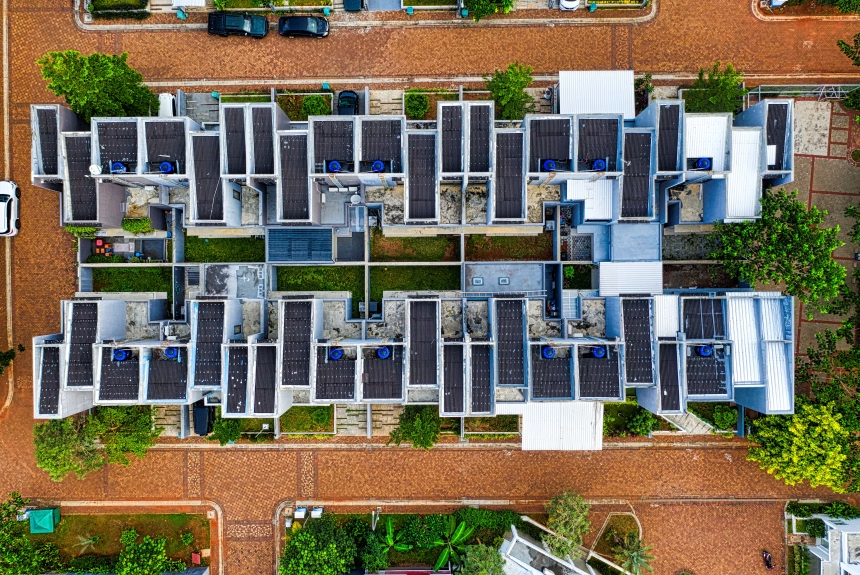
Indonesia: The Status of Solar and Wind Energy
As of 2025, renewables account for only about 15.75% of Indonesia’s total installed power capacity, with hydropower, geothermal, and bioenergy dominating the renewable mix.Indonesia, Southeast Asia’s largest economy, is in the early but strategically important phase of its renewable energy transition. While fossil fuels such as coal continue to dominate the electricity system, solar and…
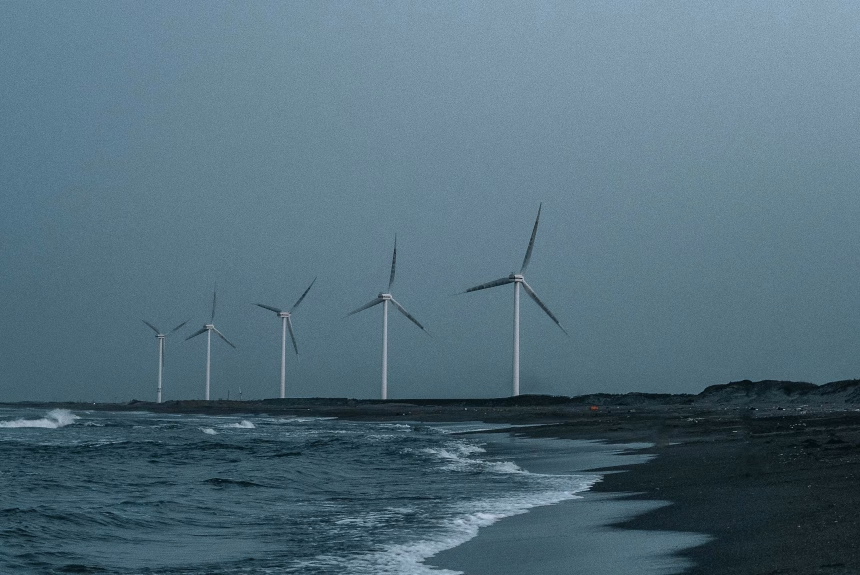
Japan: The Status of Solar and Wind Energy
Fossil fuels continue to account for the majority of Japan’s energy mix. The landscape of renewable energy in Japan is changing steadily yet unevenly. Solar power is already a key component of Japan’s electrical system, and wind energy is finally gaining traction after years of sluggish development, more than ten years after the Fukushima accident…
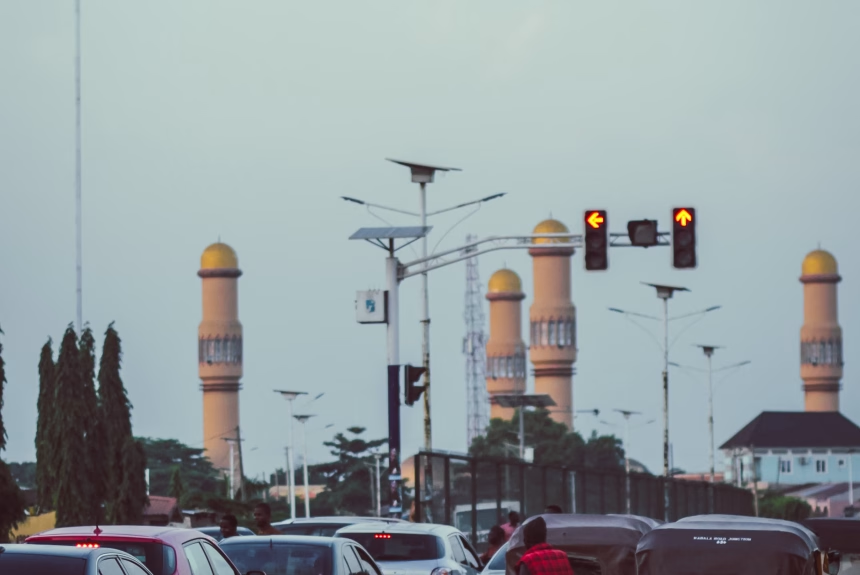
Nigeria: The Status of Solar and Wind Energy
Nigeria’s solar story is being written from the bottom up. Approximately 96% of Nigeria’s solar capacity is off-grid — private mini-grids, rooftop arrays, and solar home systems deployed in villages and industrial estates that the national grid has never reliably served.There is a cruel arithmetic to Nigeria’s energy crisis. Africa’s most populous nation, home to…
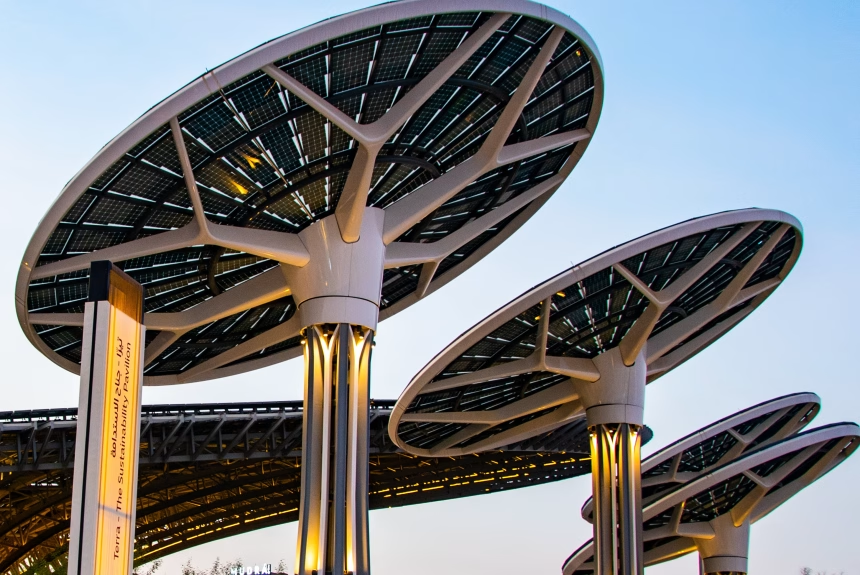
Saudi Arabia: The Status of Solar and Wind Energy
The balance between renewables and fossil fuels remains heavily skewed toward the latter. Natural gas accounts for roughly 62% of electricity generation and oil approximately 38%, while renewables account for less than 1% of the energy mix. Saudi Arabia, under its 2030 Vision, aims to source at least 50% of its power from renewable energy…
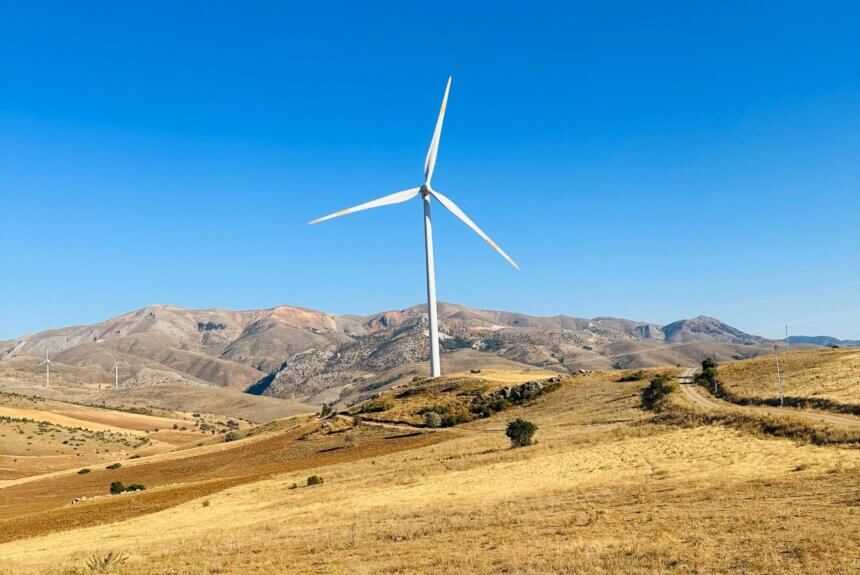
Spain: The Status of Solar and Wind Energy
Spain has emerged as a global clean energy superpower, shattering its own historical records by generating over 56.8% of its national electricity from renewable sources. Coal has been effectively eliminated, plummeting to less than 3% of the annual electricity mix. Across the sun-scorched plains of Extremadura and the windswept hills of Galicia, a quiet environmental revolution…
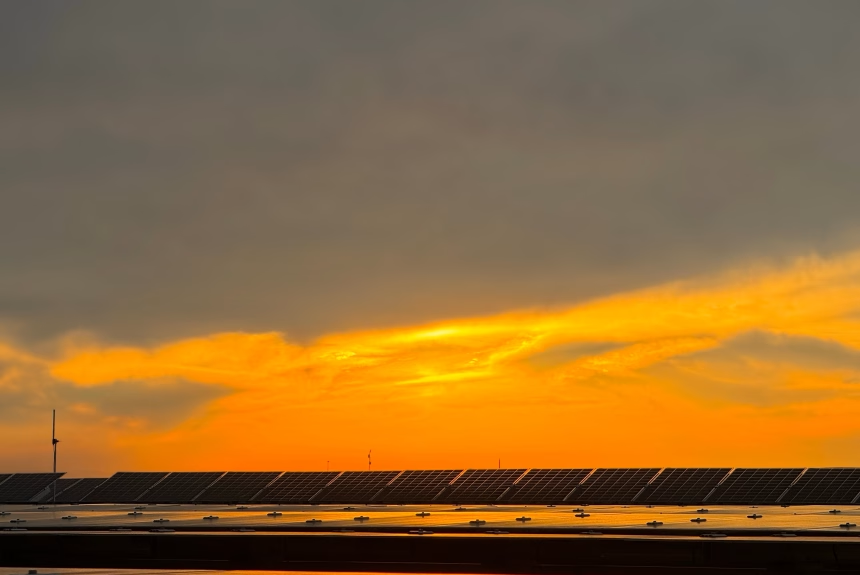
Turkey: The Status of Solar and Wind Energy
Together, wind and solar now generate more than one-fifth of Türkiye’s total electricity supply. For many years, Türkiye relied heavily on conventional energy sources, particularly imported natural gas and coal. Today, however, renewable energy has become one of the defining pillars of Türkiye’s energy transition. According to recent official data, the country’s wind power capacity has…
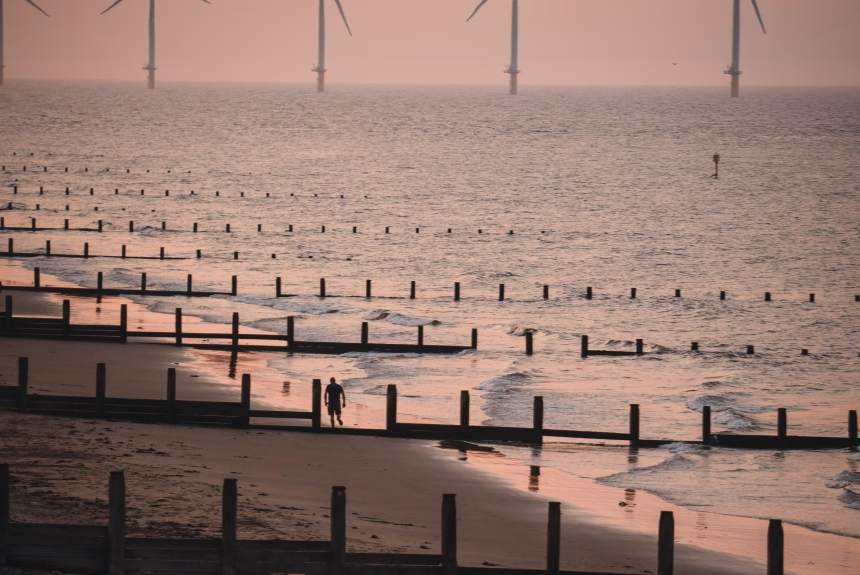
UK: The Status of Solar and Wind Energy
eliance on fossil fuels. The coming decade will likely determine whether the UK can fully transition towards a low-carbon energy economy.This post was submitted by Climate Scorecard UK Country Manager, Cesar A. Da Silva. Learn More Resources UK Department for Energy Security and Net Zero (2024). UK Energy Trends. National Grid ESO (2024). Future Energy…
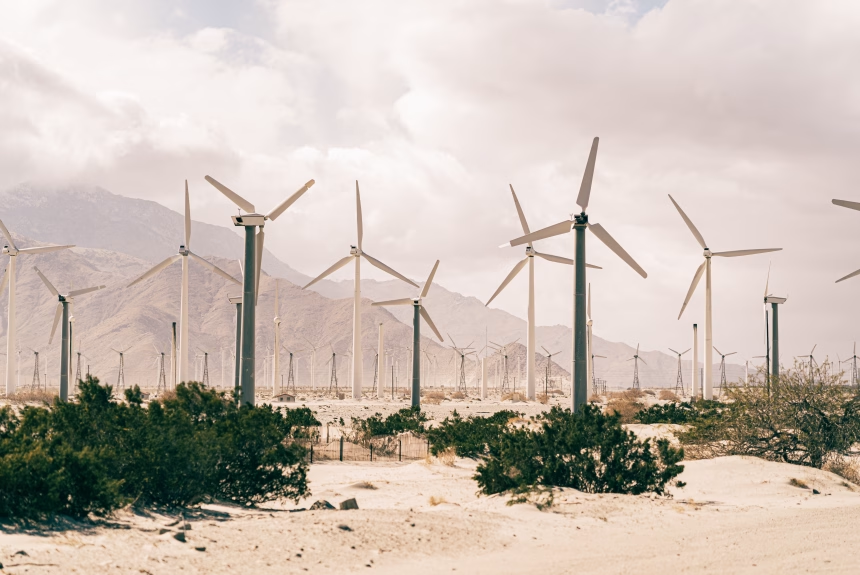
US: The Status of Solar and Wind Energy
The Trump Administration has made significant efforts to undo the policies and incentives the Biden Administration implemented to stimulate RE growth since taking office, and, when the Trump policies take effect, this could be devastating for the renewable energy sector.While 90% of new energy growth came from renewable energy in 2025, coal and fossil fuel…
Climate Commitments
Tracking the short and long-term climate goals of leading greenhouse emissions countries
Read More
NDC Tracking Sources
View the sources we use to track progress of countries’ committments.
Read More