


THE CLIMATE SCORECARD MAGAZINE
A way to learn about efforts to fight climate change
in leading greenhouse gas emission countries
Issue #14 // June 2026
Country Water Resources
Climate Scorecard depends on donations from people like you
ABOUT CLIMATE SCORECARD MAGAZINE
Climate Scorecard Magazine is a monthly digital magazine intended to inform those interested in climate change about trends to reduce emissions in leading greenhouse emitting countries. Each month we will focus on a different topic related to climate change, e.g. fossil fuels, renewable energy; and provide our readers with information and analysis of policy and program trends within and across countries. We trust our magazine will help increase your knowledge and understanding and welcome your feedback. Please send any comments to: contact (at) climatescorecard.org.
Ron Israel
Publisher and Editor
Climate Scorecard Magazine
Introduction
In Climate Scorecard Magazine #14, we describe the extent to which climate and other environmental factors affect the water supply of 19 leading greenhouse gas-emitting countries, specifically the effects on the water supply for food and agriculture, personal drinking, and hygiene.
The Country Reports, provided below, describe changes in each country’s water supply over the last 30 years; the water supply needs of each country (both for agriculture and personal use); the sources of its water supply; the pressures on water supply usage; and the steps countries are taking to conserve their water supply and /or expand water supply access in the future. To what extent can addressing each country’s climate issues affect its water supply?
Table A below provides summaries of the effect of climate change on each country’s water supply. Complete Country reports are provided below.
Table A: The Affect of Climate Change on Country Water supply
| Country | Affect of climate Change on Water Supply |
| Australia |
Addressing climate change is critical to Australia’s future water supply. Mitigation efforts that limit global warming would reduce drought severity, slow evaporation losses, and improve water reliability for agriculture and communities.
|
| Brazil |
Addressing climate issues is central to the future of Brazilian water resources. Mitigation and adaptation policies, such as strengthening disaster risk management, restoring ecosystems, and promoting green infrastructure, can increase the resilience of the water supply.
|
| Canada |
Climate stressors are putting unprecedented pressure on Canada’s drinking water systems, necessitating stronger adaptation, greater efficiency, and modernization of water management policies to ensure long-term, safe water supplies.
|
| China |
The intersection of rapid urbanization, agricultural demand, and shifting climate patterns has transformed water from a basic commodity into a critical strategic resource.
|
| European Union |
The EU’s water future is inseparable from its climate future. Securing safe water for European farms and households is no longer a matter of infrastructure investment alone — it is fundamentally a question of how quickly the continent can decarbonize, restore its ecosystems, and govern water as the finite, irreplaceable resource it is.
|
| France |
Without strong reductions in greenhouse gas emissions, droughts are expected to become more frequent and intense, further increasing pressure on both agriculture and drinking water systems.
|
| Germany |
Climate change is the main reason water management has become more difficult. Warmer temperatures mean more evaporation and drier soil.
|
| India |
Addressing climate change is central to securing India’s water future. Efforts to enhance climate resilience, such as promoting drought-resistant crops, improving irrigation efficiency, restoring ecosystems, and strengthening early warning systems, are already underway.
|
| Indonesia |
Rainfall patterns have become less predictable, especially in densely populated Java. This has reduced water reliability for both irrigation and urban supply.
|
| Japan |
Over the past 30 years, climate change, demographic shifts, and evolving industrial demand have begun to reshape the security of Japan’s water supply, especially for agriculture and everyday household use.
|
| Mexico |
Under the Sheinbaum administration, there is a concentrated effort to categorize water as a strategic national security asset.
|
| Nigeria |
Climate adaptation strategies that prioritize sustainable water management can significantly enhance agricultural resilience, ensuring food security for millions of Nigerians.
|
| Saudi Arabia |
Given the limitations on natural water resources in Saudi Arabia, the Kingdom relies on desalination facilities to meet increasing domestic water demands, with 90 percent of Saudi Arabia’s water demand met by desalinated water and 10 percent by ground and surface water by 2030.
|
| South Africa |
Water security now sits at the center of both the climate and development agenda, shaping public health, food production, energy generation, and urban livelihoods.
|
| Spain |
Over the last three decades, climate change has pushed Spain’s water systems toward persistent stress, with profound implications for how water is used for agriculture and everyday drinking and hygiene.
|
| Turkey |
Population growth has reduced per capita water availability by approximately 20% over the past 25 years. This places Türkiye firmly in the category of water-stressed countries, edging toward scarcity.
|
| United Kingdom |
While the United Kingdom is not traditionally associated with water scarcity, climate change is reshaping its water landscape.
|
| United States |
As this administration continues to fight against the reality that is climate change, it is even more so important for everyday citizens to take matters into their own hands and fight towards improving the state of the world–for us, for our children, and for our children’s children.
|
Country Reports
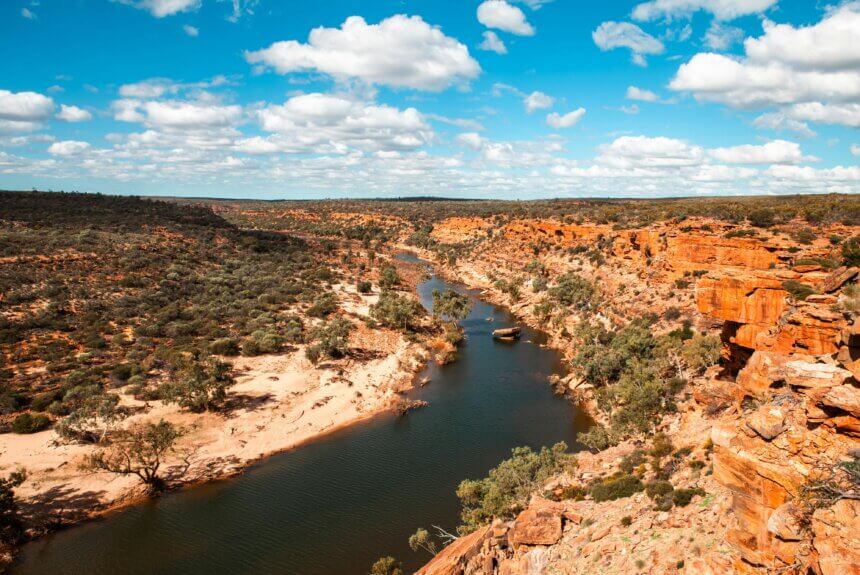
Australia: Country Water Resources
Addressing climate change is critical to Australia’s future water supply. Mitigation efforts that limit global warming would reduce drought severity, slow evaporation losses, and improve water reliability for agriculture and communities.Australia is one of the driest inhabited continents on Earth, and water scarcity has long shaped its economy, communities, and politics. Over the past 30…
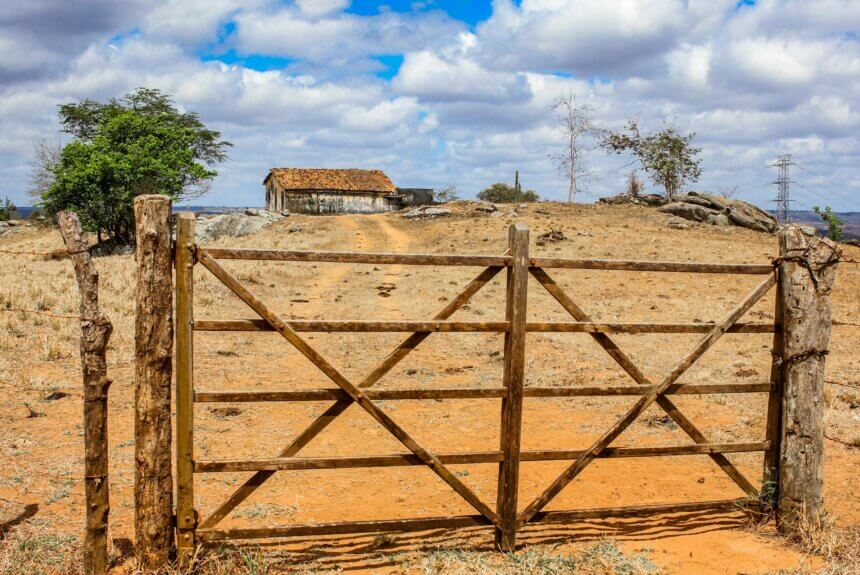
Brazil: Country Water Resources
Addressing climate issues is central to the future of Brazilian water resources. Mitigation and adaptation policies, such as strengthening disaster risk management, restoring ecosystems, and promoting green infrastructure, can increase the resilience of the water supply.Over the past 30 years, Brazil has undergone profound transformations in its water resources, driven by climate change, agricultural expansion,…
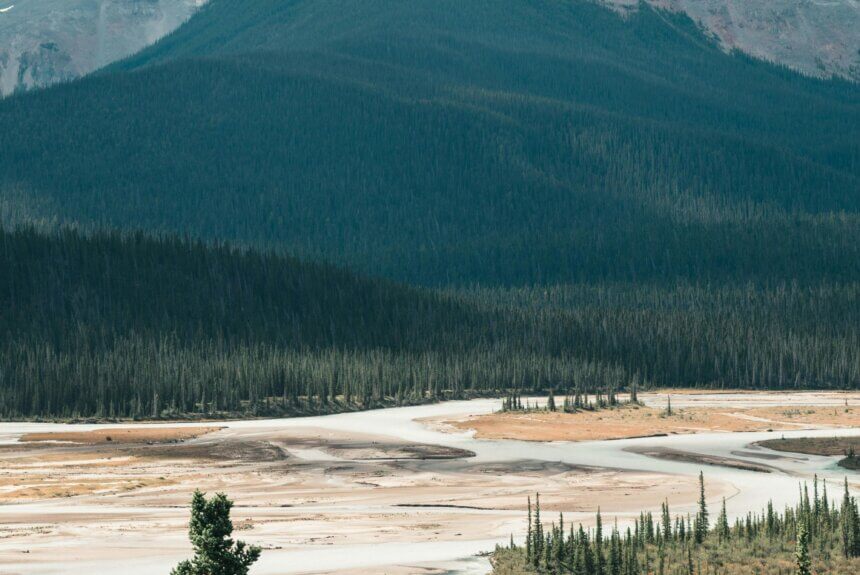
Canada: Country Water Resources
Climate stressors are putting unprecedented pressure on Canada’s drinking water systems, necessitating stronger adaptation, greater efficiency, and modernization of water management policies to ensure long-term, safe water supplies.Climate change and environmental factors strongly impact Canada’s water supply for food and agriculture. York University reports that while agriculture is a relatively small user of water nationally,…
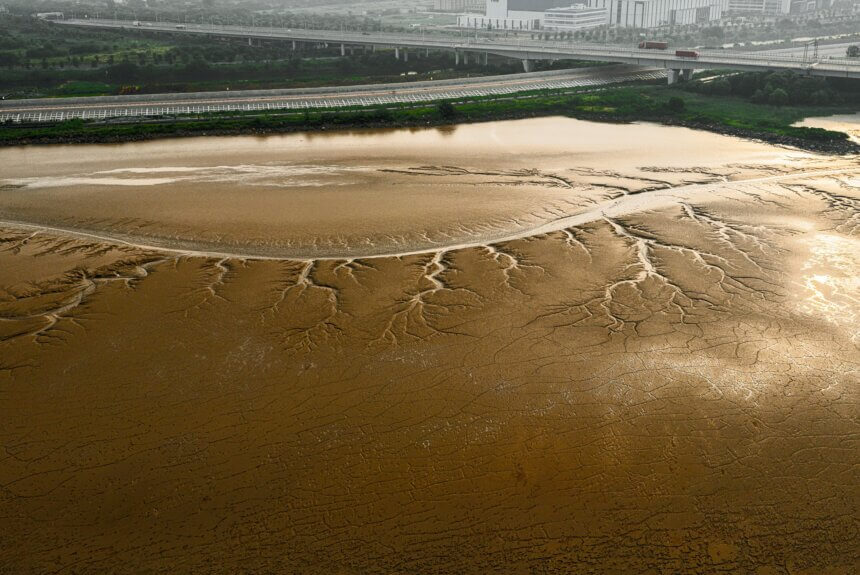
China: Country Water Resources
The intersection of rapid urbanization, agricultural demand, and shifting climate patterns has transformed water from a basic commodity into a critical strategic resource. A paradox of engineering triumph and environmental fragility defines China’s water landscape in 2026. As the nation navigates its 15th Five-Year Plan, the intersection of rapid urbanization, agricultural demand, and shifting climate…
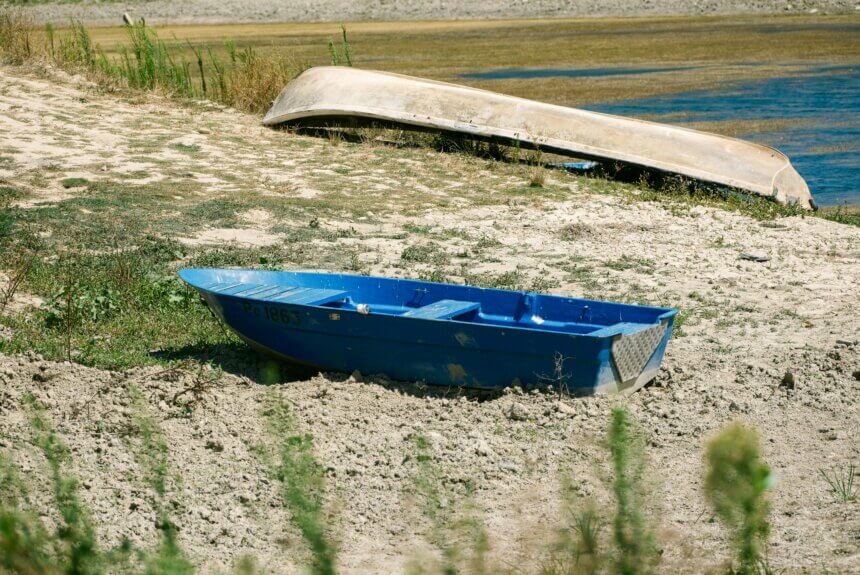
EU: Country Water Resources
The EU’s water future is inseparable from its climate future. Securing safe water for European farms and households is no longer a matter of infrastructure investment alone — it is fundamentally a question of how quickly the continent can decarbonise, restore its ecosystems, and govern water as the finite, irreplaceable resource it is. Europe is…
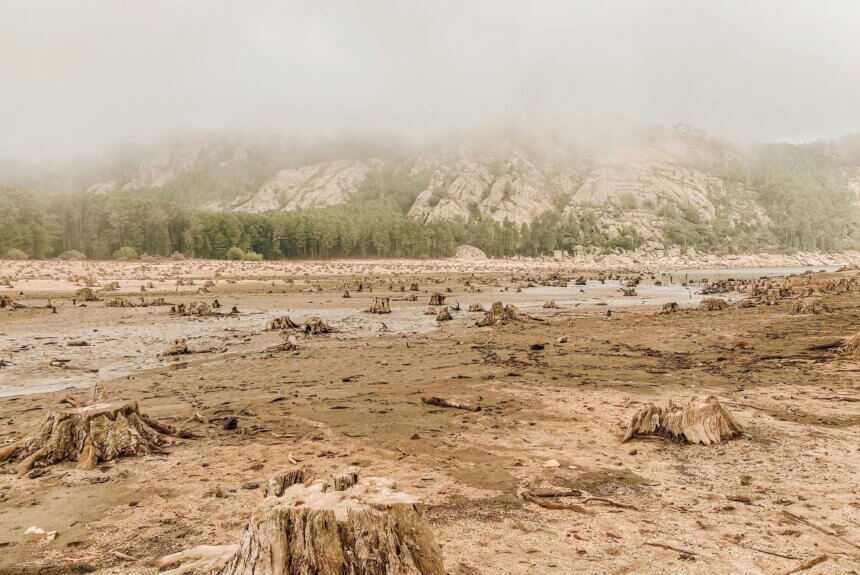
France: Country Water Resources
Without strong reductions in greenhouse gas emissions, droughts are expected to become more frequent and intense, further increasing pressure on both agriculture and drinking water systems.France’s water resources are increasingly affected by climate change, shifting rainfall patterns, and growing demand from agriculture, households, and industry. Although the country is not considered water-scarce overall, seasonal shortages…
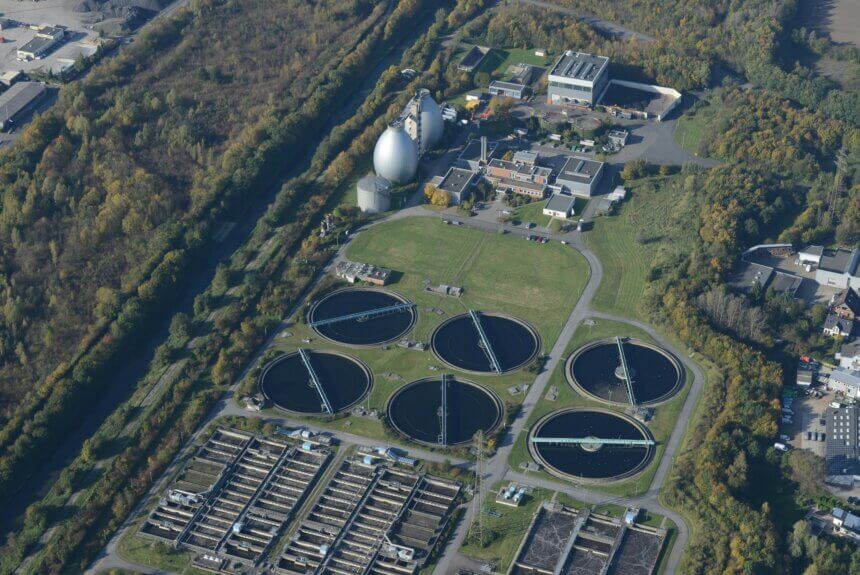
Germany: Country Water Resources
Climate change is the main reason water management has become more difficult. Warmer temperatures mean more evaporation and drier soil.Germany’s water supply has long been considered secure, but over the past 30 years, that stability has come under growing strain. The country still has plenty of water overall, yet the pattern of supply has changed….
India: Country Water Resources
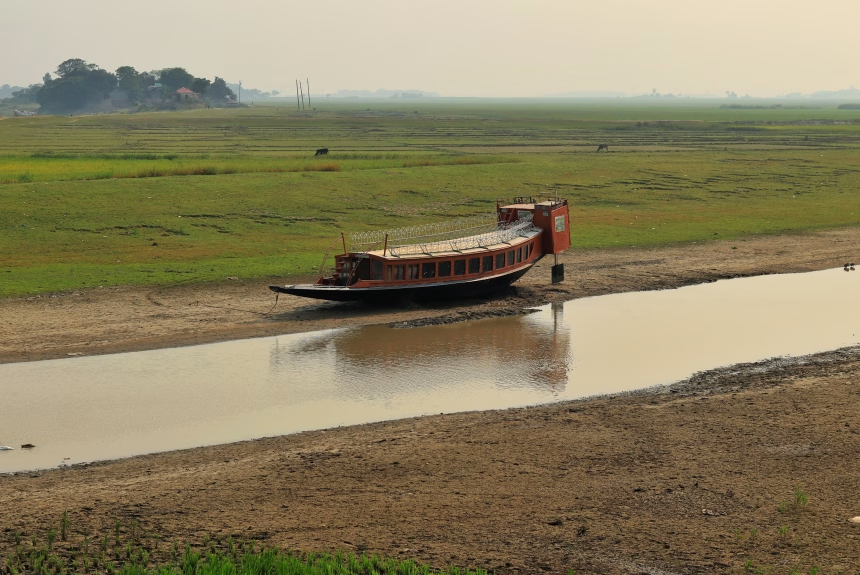
Addressing climate change is central to securing India’s water future. Efforts to enhance climate resilience, such as promoting drought-resistant crops, improving irrigation efficiency, restoring ecosystems, and strengthening early warning systems are already underway.India’s water resources are intrinsically linked to its climate system, with rainfall patterns, glacier dynamics, and seasonal variability playing a defining role in…
Indonesia: Country Water Resources
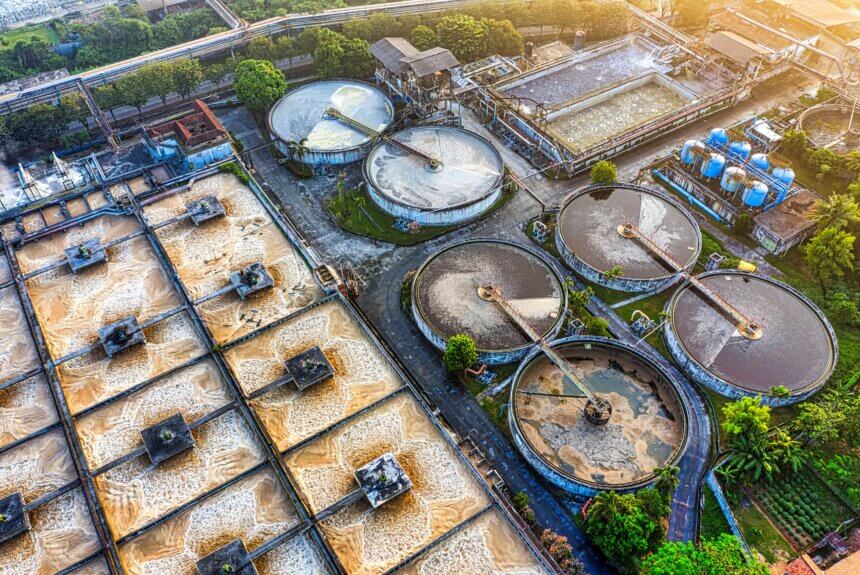
Rainfall patterns have become less predictable, especially in densely populated Java. This has reduced water reliability for both irrigation and urban supply.Changes in Water Supply Over the Last 30 YearsOver the past three decades, Indonesia has experienced increasing climate variability, linked to El Niño–Southern Oscillation (ENSO) events. El Niño years bring droughts and reduced rainfall,…
Japan: Country Water Resources
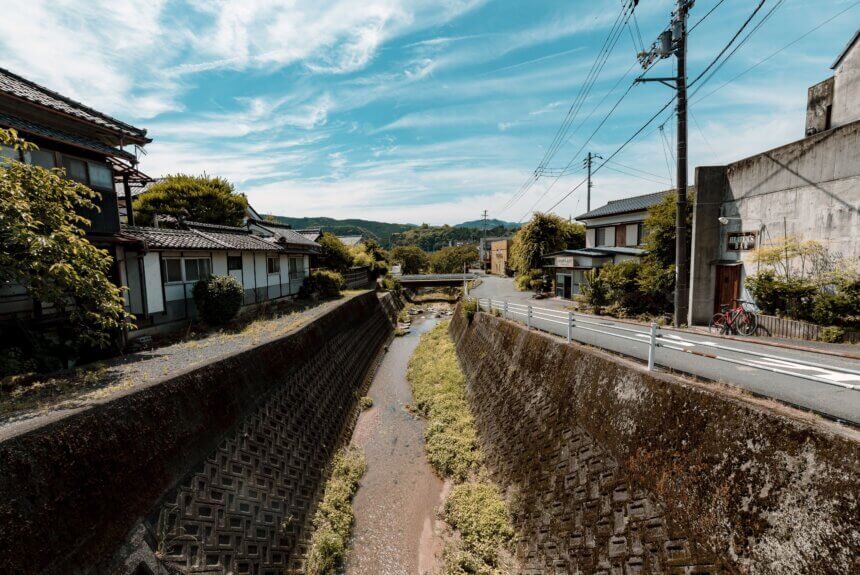
Over the past 30 years, climate change, demographic shifts, and evolving industrial demand have begun to reshape the security of Japan’s water supply, especially for agriculture and everyday household use.Japan is often described as a water-rich country. With its steep mountain ranges, abundant rainfall, and more than 14,000 rivers, water has long been seen as…
Mexico: Country Water Resources
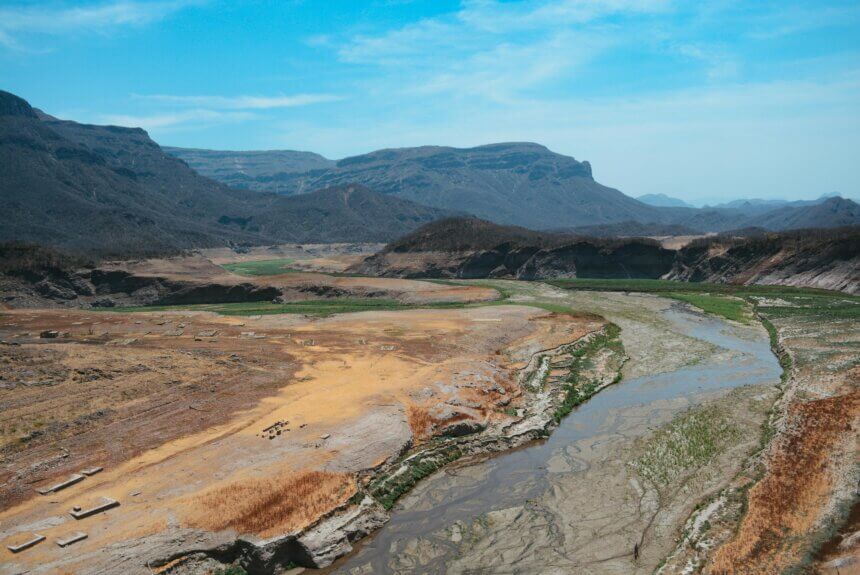
Under the Sheinbaum administration, there is a concentrated effort to categorize water as a strategic national security asset.Water is the fundamental source of all life. Without it, there is no life, no economy, and no agriculture. Given the looming climate crisis, water supplies worldwide are facing unprecedented strain. In fact, it is increasingly likely that…
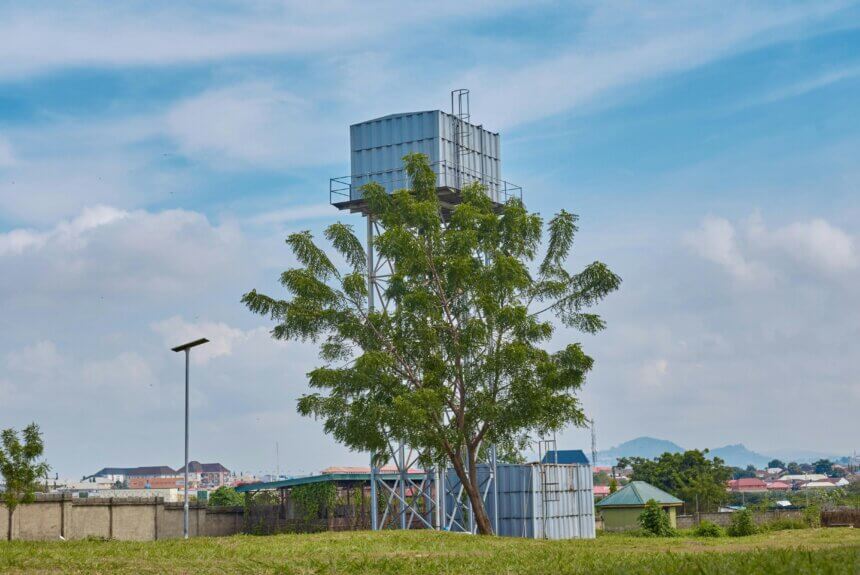
Nigeria: Country Water Resources
Climate adaptation strategies that focus on sustainable water management can significantly improve agricultural resilience, ensuring food security for millions of Nigerians. Over the past 30 years, Nigeria has experienced dramatic changes in its water supply. Lake Chad, once spanning 25,000 square kilometers in the 1960s with approximately one-quarter of its surface within Nigeria, has receded…
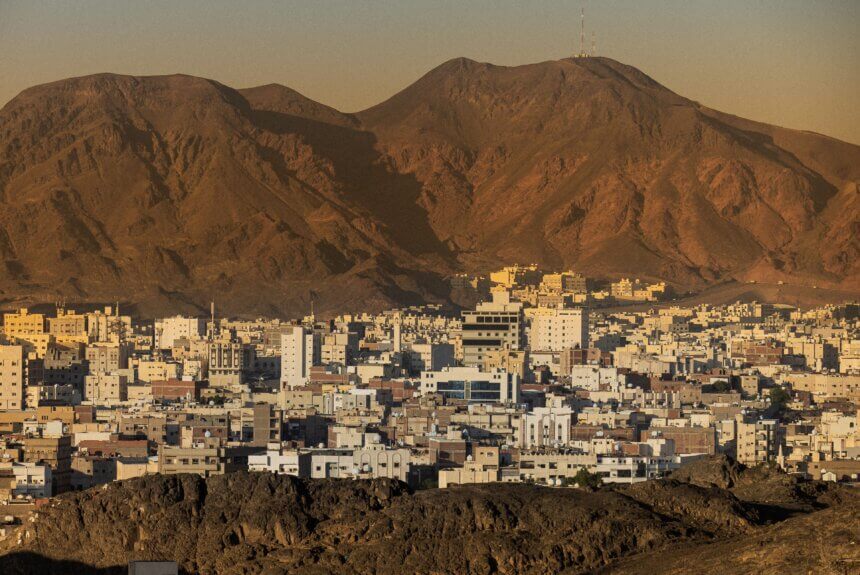
Saudi Arabia: Country Water Resources
Given the limitations on natural water resources in Saudi Arabia, the Kingdom relies on desalination facilities to meet the increasing domestic water demand, with 90 percent of Saudi Arabia’s water demand met by desalinated water and 10 percent by ground and surface water by 2030.Saudi Arabia’s water supply sources consist of groundwater from deep aquifers,…
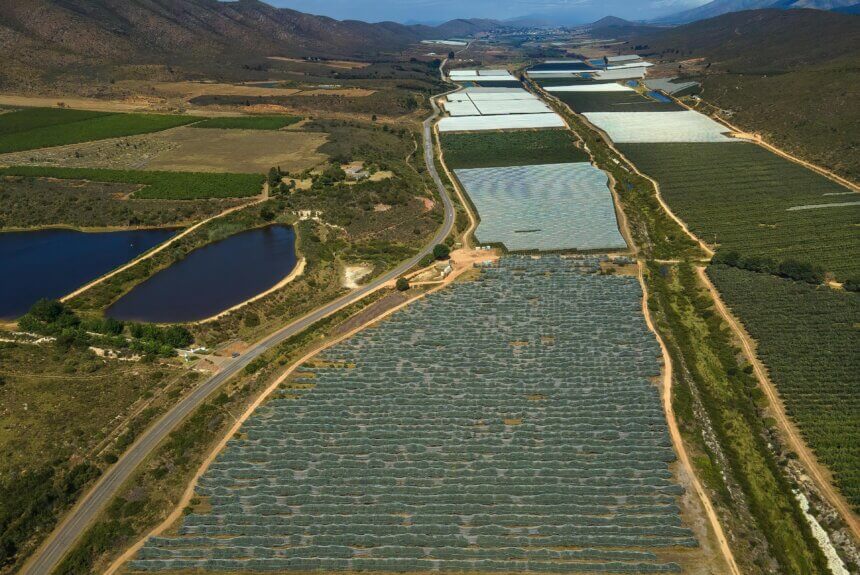
South Africa: Country Water Resources
Water security now sits at the centre of both the climate and development agenda, shaping public health, food production, energy generation, and urban livelihoods.South Africa’s water crisis is not primarily a drought problem. It is a structural one. The country receives roughly 500 mm of rainfall per year, well below the global average of 860…
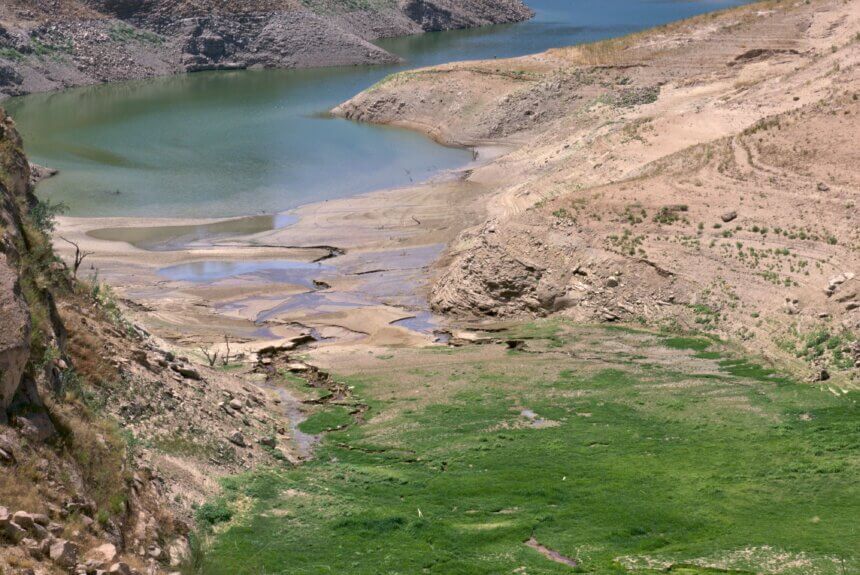
Spain: Country Water Resources
Over the last three decades, climate change has pushed Spain’s water systems toward persistent stress, with profound implications for how water is used for agriculture and for everyday drinking and hygiene.As of April 2026, the global recognition of water as a fundamental human right faces a critical turning point, with over two billion people still…
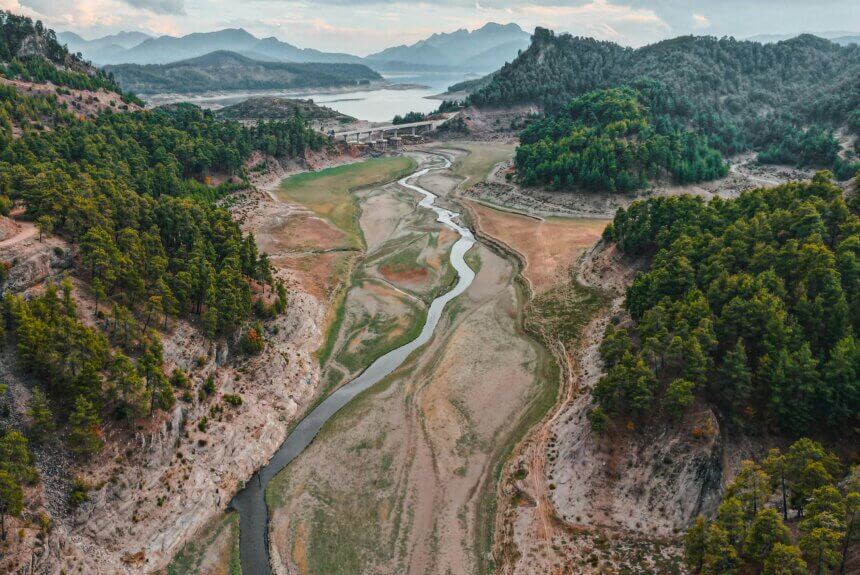
Turkey: Country Water Resources
Population growth has reduced per capita water availability by approximately 20% over the past 25 years. This places Türkiye firmly in the category of water-stressed countries, edging toward scarcity.Türkiye’s relationship with water has long been shaped by geography. It is a country of contrasts, where fertile plains coexist with semi-arid interiors. For decades, this diversity…
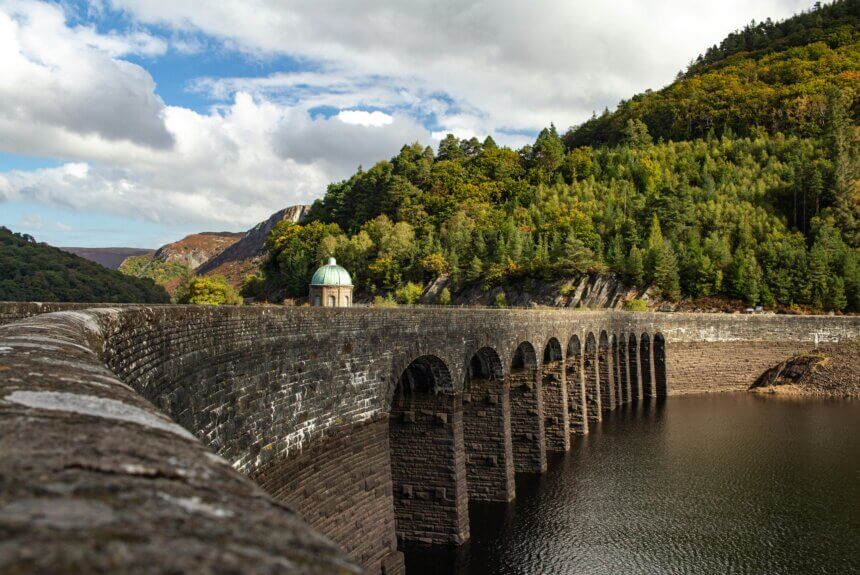
UK: Country Water Resources
While the United Kingdom is not traditionally associated with water scarcity, climate change is reshaping its water landscape.Over the past three decades, the United Kingdom has witnessed increasing pressure on its water resources, driven by climate change, population growth, and evolving consumption patterns. Although often perceived as a water-rich nation due to its frequent rainfall,…
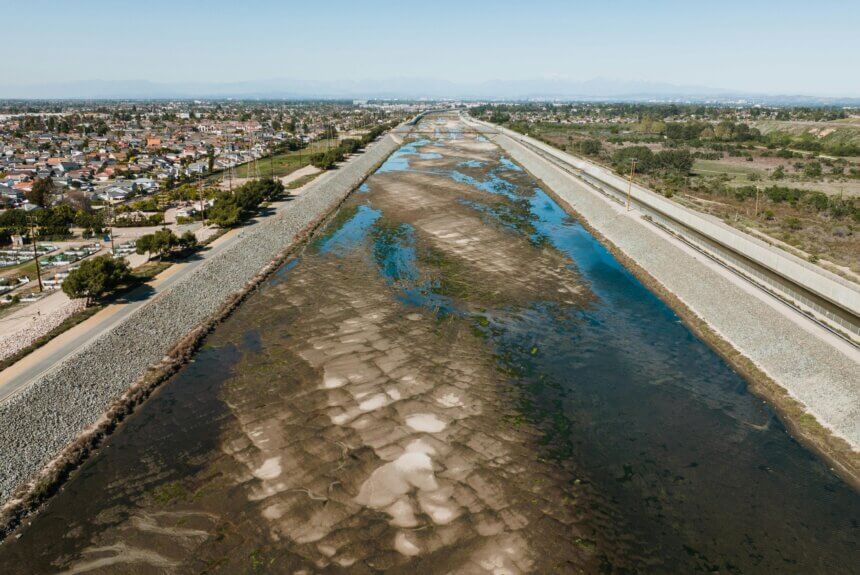
US: Country Water Resources
As this administration continues to deny the reality of climate change, it is even more important for everyday citizens to take matters into their own hands and work to improve the state of the world–for us, for our children, and for our children’s children.Currently, the United States faces a major water problem related to drought,…
Climate Commitments
Tracking the short and long-term climate goals of leading greenhouse emissions countries
Read More
NDC Tracking Sources
View the sources we use to track progress of countries’ committments.
Read More