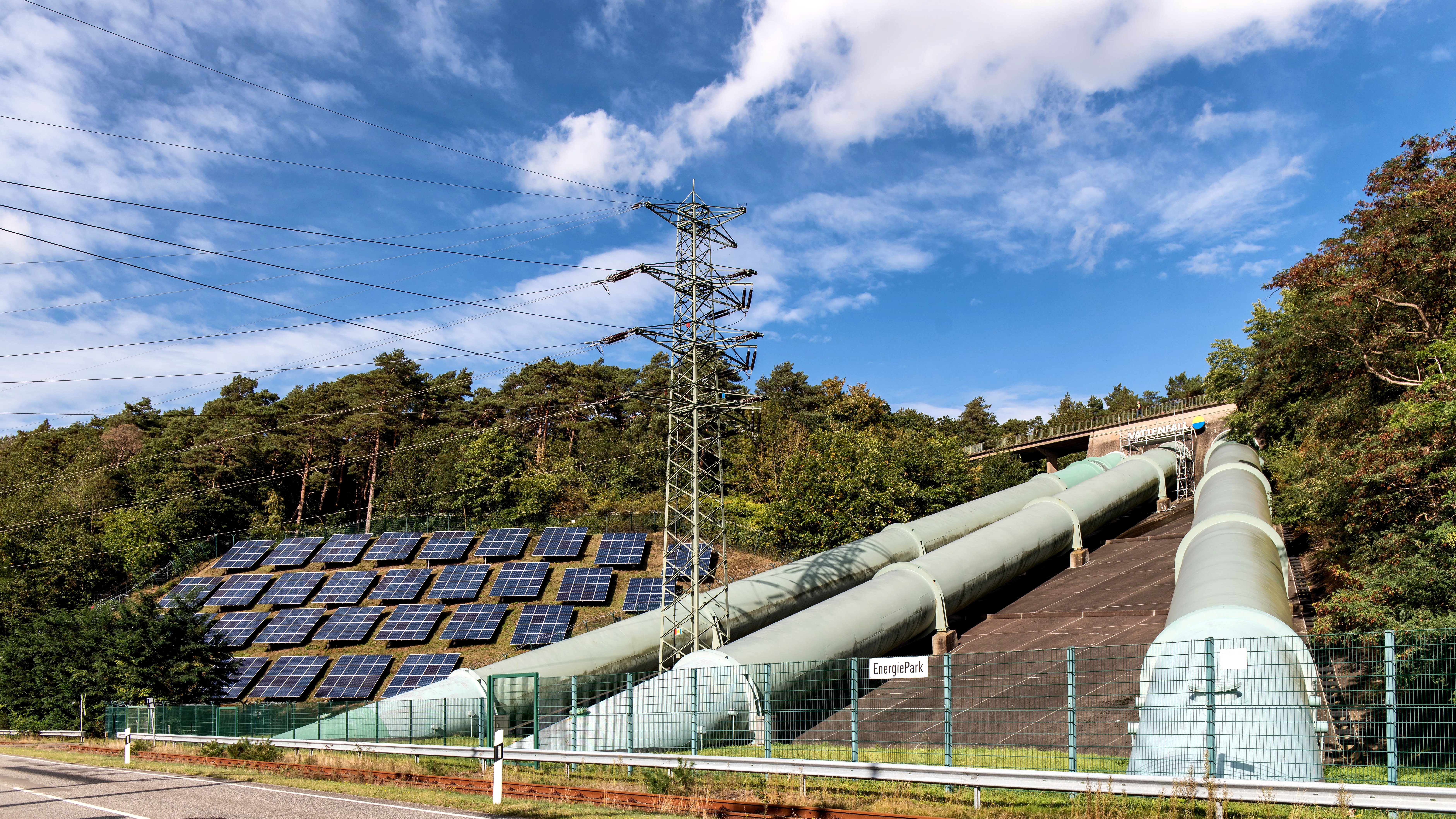
The grid is therefore no longer simply a network that delivers electricity: it is becoming the backbone of the country’s transition to a lower-carbon economy. Great Britain’s electricity grid is undergoing one of the most significant transformations in its history. For decades, the system was largely designed around a relatively small number of large, centralised...
Tag: 104
Spain: An Analysis of Country Energy Grids
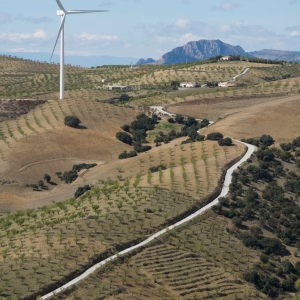
SPAINSpain’s ability to accommodate accelerating electrification and renewable deployment will depend on timely implementation, improved network management and expanded flexibility.Spain has a largely integrated national electricity system, with a single high-voltage transmission network operated by Red Eléctrica (REE) and regional distribution networks managed by more than 300 distribution companies. However, the market is dominated by...
South Africa: An Analysis of Country Energy Grids
The grid was not designed for distributed, variable generation. Wind and solar resources are concentrated in the Western, Northern and Eastern Cape, far from demand centres and existing transmission capacity.South Africa runs on a single interconnected national grid, built around centralised coal-fired power stations in Mpumalanga. The system has three layers: generation, transmission, and distribution....
Saudi Arabia: An Analysis of Country Energy Grids
The government aims to source about half of the country’s energy from gas and half from renewables by 2030. Saudi Arabia’s electricity system is organized around a single dominant national grid operated by the National Grid SA, a state-owned company under the Saudi Electricity Company (SEC) umbrella. Before 2005, the country ran four separate regional...
Nigeria: An Analysis of Country Energy Grids
The grid is built overwhelmingly around gas-fired thermal plants and a smaller hydropower base and is only beginning to accommodate renewables at scale. Nigeria runs on a single interconnected national grid rather than a patchwork of regional grids. The Transmission Company of Nigeria (TCN) owns the high-voltage backbone of 330kV and 132kV lines linking generating...
Mexico: An Analysis of Country Energy Grids
Overall, Mexico needs more integration and growth of solar and wind. Mexico’s energy grid, officially the National Electrical System (Sistema Eléctrico Nacional – SEN), is a state-owned, unified power grid that can shift with each administration. Currently, the system is composed of three distinct grids: the National Interconnected System (Sistema Interconectado Nacional or SIN), the...
Japan: An Analysis of Country Energy Grids
To keep the network stable when solar output drops or wind speeds shift, utilities will need to mandate advanced technical interventions. Japan’s electricity grid presents a striking paradox. On one hand, it is a masterclass in everyday engineering resilience. According to recent data from the country’s cross-regional grid monitor, the Organization for Cross-regional Coordination of...
Indonesia: An Analysis of Country Energy Grids
Building the infrastructure needed to connect Indonesia’s islands and integrate large amounts of renewable energy will be one of the country’s major energy challenges over the coming decade. Indonesia’s electricity grid faces a unique challenge: it must supply electricity across more than 17,000 islands spread across a large geographic area. Rather than having one single...
India: An Analysis of Country Energy Grids
The main challenge remains matching supply, infrastructure, and policy to the demand of 1.4 billion people. India is the third-largest producer and consumer of electricity after China and the United States, with about a 6-7% share of global electricity generation. The country generated 2059.3 TWh in 2024-25, of which 23% came from non-fossil sources. Historically,...
Germany: An Analysis of Country Energy Grids
The gap between where power is produced and where it’s used has made the grid the bottleneck of the energy transition. Germany’s electricity grid is among the most reliable in the world, and also one of the most strained. It was built for a handful of large coal and nuclear plants near industrial centers. Today...