Tag: 104

Home / 104
France: An Analysis of Country Energy Grids
Post

France: An Analysis of Country Energy Grids

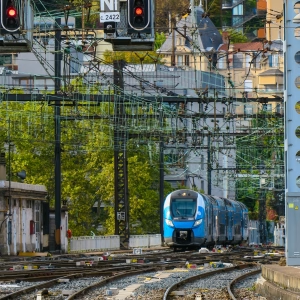
France’s grid is generally reliable, although storms, floods, fires, and other extreme weather can cause local outages. France has a single interconnected national electricity system, rather than completely separate regional grids. It is connected to neighboring European countries, allowing electricity to be imported or exported when needed. The system has two main levels: RTE operates...
EU: An Analysis of Country Energy Grids
Post

EU: An Analysis of Country Energy Grids

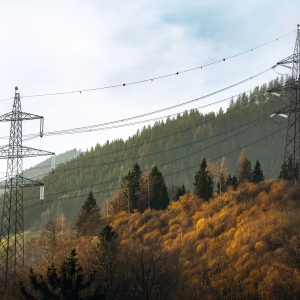
Rapid electrification across transport, heating, and industrial manufacturing, alongside the expansion of data centers supporting artificial intelligence, is driving a structural increase in power demand. The European Commission estimates that electricity consumption across the European Union will rise by approximately 60% by 2030 Europe’s electricity infrastructure spans more than 11 million kilometres across the internal...

China: An Analysis of Country Energy Grids
Post

China: An Analysis of Country Energy Grids

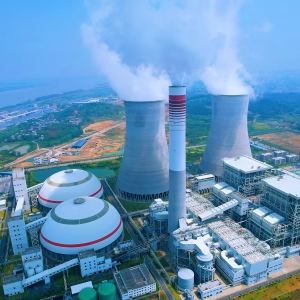
China has pioneered the deployment of Ultra-High Voltage (UHV) transmission networks. China operates the world’s largest electricity system, characterized by massive generation capacity, ultra-high voltage (UHV) transmission networks, and an unprecedented rate of renewable energy integration. Managing this infrastructure requires balancing geographic disparities between energy resource locations and industrial demand centers while navigating the transition...

Canada: An Analysis of Country Energy Grids
Post

Canada: An Analysis of Country Energy Grids

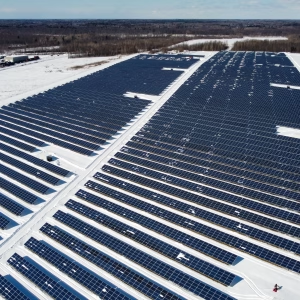
Canadian energy grids are not currently fully capable of handling projected future demand without massive modernization, expansion, and multi-trillion-dollar budgets.  The Canadian Center for Energy Information clarifies that Canada’s energy grid isn’t a single system; it consists of 13 provincial and territorial systems, with power lines running largely north-to-south rather than east-to-west because of population...

Brazil: An Analysis of Country Energy Grids
Post

Brazil: An Analysis of Country Energy Grids

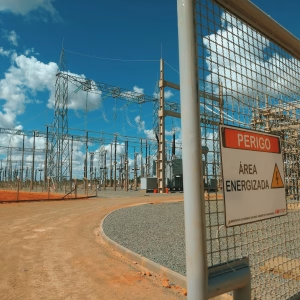
The national power grid stands out globally for its ability to manage a diversified, predominantly renewable energy mix (about 85% of installed capacity). Brazil’s electrical system is characterized by its continental scale and highly integrated structure. The National Interconnected System (SIN), an extensive power generation and transmission network, centralizes and coordinates most of the national...

Australia: An Analysis of Country Energy Grids
Post

Australia: An Analysis of Country Energy Grids

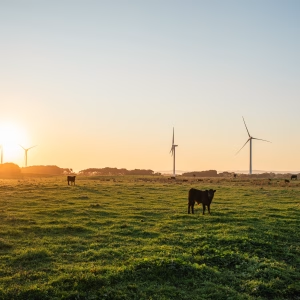
Australia is moving from a mainly one-way delivery system toward a two-way, digitally coordinated network in which households, businesses and industries can both consume and supply energy.Australia’s electricity system is often described as a national grid, but geographically it is not one single network. The National Electricity Market (NEM) links Queensland, New South Wales, the...

x
x

Climate Scorecard depends on support from people like you.

We are a team of researchers providing information on efforts to reduce global emissions. We help make you better informed and able to advocate for improved climate change efforts. Donations of any amount are welcome.