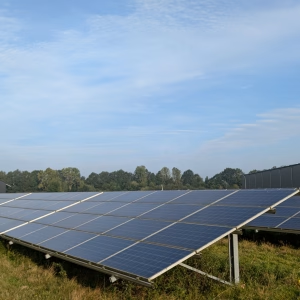
The Trump Administration has made significant efforts to undo the policies and incentives the Biden Administration implemented to stimulate RE growth since taking office, and, when the Trump policies take effect, this could be devastating for the renewable energy sector.While 90% of new energy growth came from renewable energy in 2025, coal and fossil fuel...
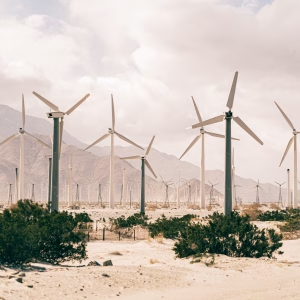
Tag: 100
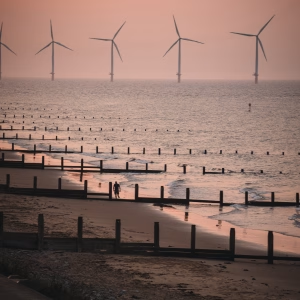
UK: The Status of Solar and Wind Energy
eliance on fossil fuels. The coming decade will likely determine whether the UK can fully transition towards a low-carbon energy economy.This post was submitted by Climate Scorecard UK Country Manager, Cesar A. Da Silva. Learn More Resources UK Department for Energy Security and Net Zero (2024). UK Energy Trends. National Grid ESO (2024). Future Energy...
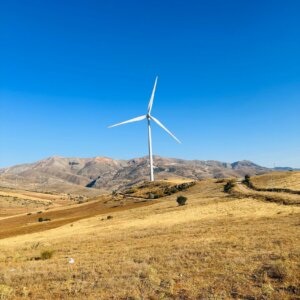
Turkey: The Status of Solar and Wind Energy
Together, wind and solar now generate more than one-fifth of Türkiye’s total electricity supply. For many years, Türkiye relied heavily on conventional energy sources, particularly imported natural gas and coal. Today, however, renewable energy has become one of the defining pillars of Türkiye’s energy transition. According to recent official data, the country’s wind power capacity has...
Spain: The Status of Solar and Wind Energy
Spain has emerged as a global clean energy superpower, shattering its own historical records by generating over 56.8% of its national electricity from renewable sources. Coal has been effectively eliminated, plummeting to less than 3% of the annual electricity mix. Across the sun-scorched plains of Extremadura and the windswept hills of Galicia, a quiet environmental revolution...
Saudi Arabia: The Status of Solar and Wind Energy
The balance between renewables and fossil fuels remains heavily skewed toward the latter. Natural gas accounts for roughly 62% of electricity generation and oil approximately 38%, while renewables account for less than 1% of the energy mix. Saudi Arabia, under its 2030 Vision, aims to source at least 50% of its power from renewable energy...
Nigeria: The Status of Solar and Wind Energy
Nigeria’s solar story is being written from the bottom up. Approximately 96% of Nigeria’s solar capacity is off-grid — private mini-grids, rooftop arrays, and solar home systems deployed in villages and industrial estates that the national grid has never reliably served.There is a cruel arithmetic to Nigeria’s energy crisis. Africa’s most populous nation, home to...
Japan: The Status of Solar and Wind Energy
Fossil fuels continue to account for the majority of Japan’s energy mix. The landscape of renewable energy in Japan is changing steadily yet unevenly. Solar power is already a key component of Japan’s electrical system, and wind energy is finally gaining traction after years of sluggish development, more than ten years after the Fukushima accident...
Indonesia: The Status of Solar and Wind Energy
As of 2025, renewables account for only about 15.75% of Indonesia’s total installed power capacity, with hydropower, geothermal, and bioenergy dominating the renewable mix.Indonesia, Southeast Asia’s largest economy, is in the early but strategically important phase of its renewable energy transition. While fossil fuels such as coal continue to dominate the electricity system, solar and...
India: The Status of Solar and Wind Energy
Government targets remain ambitious: 500 GW of non-fossil fuel capacity by 2030, with projections indicating solar capacity could quadruple and wind triple over the coming decade under supportive policies. India is rapidly advancing its clean energy ambitions, emerging as a global leader in renewable energy deployment. As of March 31, 2026, the country’s installed solar...
Germany: The Status of Solar and Wind Energy
Half-Powered by Wind and Sun — and Running Out of Grid Germany has built the most formidable wind and solar system in Europe. Now it faces the harder challenge: a grid too slow to carry the power, and a political mood turning back towards gas. 25 years ago, coal-fired power plants provided more than half...