


THE CLIMATE SCORECARD MAGAZINE
A way to learn about efforts to fight climate change
in leading greenhouse gas emission countries
Issue #8 // December 2025
How To Reach The Hardest-To-Reach Climate Target Group

Climate Scorecard depends on donations from people like you
ABOUT CLIMATE SCORECARD MAGAZINE
Climate Scorecard Magazine is a monthly digital magazine intended to inform those interested in climate change about trends to reduce emissions in leading greenhouse emitting countries. Each month we will focus on a different topic related to climate change, e.g. fossil fuels, renewable energy; and provide our readers with information and analysis of policy and program trends within and across countries. We trust our magazine will help increase your knowledge and understanding and welcome your feedback. Please send any comments to: contact (at) climatescorecard.org.
Ron Israel
Publisher and Editor
Climate Scorecard Magazine
Introduction
| Country | The Hardest to Engage Climate Groups |
| Australia |
Lower- to middle-income households in regional and outer-suburban areas, particularly in coal and gas-dependent regions.
|
| Brazil |
Adult populations living in isolated rural areas of the Northern region, especially in the Legal Amazon.
|
| Canada |
The hardest-to-reach sectors have high and persistent greenhouse gas emissions (GGE), particularly the oil and gas industry, given the pollution it generates, and the sector’s political influence and lobbying efforts resisting climate action.
|
| China |
Low-to-moderate-income (LMI) urban households and rural households.
|
| European Union |
Elderly Rural Households and the EU’s Climate Commitment at COP30.
|
| France |
Low-income adults living in rural and peri-urban areas who depend on private thermal vehicles every day. Public transport options are limited, making car use essential rather than optional.
|
| Germany |
Low-Income Households in Eastern Germany.
|
| India |
Rural low-income communities, including smallholder farmers and daily wage laborers.
|
| Indonesia |
Rural smallholder farmers and small-scale coastal fishers, especially in Papua, Maluku, East Nusa Tengarra, Sulawesi, and Kalimantan.
|
| Japan |
Elderly low-Income rural residents.
|
| Mexico |
Smallholder farmers in semi-arid regions
|
| Nigeria |
Peri-urban and rural informal micro-entrepreneurs and subsistence farmers.
|
| Saudi Arabia |
Migrant workers.
|
| South Africa |
Low-income communities, small-scale farmers, and people with low literacy levels.
|
| Spain |
Energy-poor / low-income households living in energy-inefficient homes and ural residents who are highly car-dependent (often older populations).
|
| Turkey |
Rural low-income households — Elderly couples or families of farmers who still rely on firewood and coal to stay warm through the long, freezing winters.
|
| United Kingdom |
Low-income, privately rented (or older) households living in inefficient housing stock, primarily outside of major metropolitan areas.
|
| United States |
Peoples’ political party affiliation. Republicans tend to have the highest percentage of climate change deniers in the United States when compared to libertarian or Democratic voters.
|
Country Reports

Australia: How To Reach The Hardest-To-Reach Climate Target Group
Jessica Gregory Lower- to middle-income households in regional and outer-suburban areas, particularly in coal and gas dependent regions.Who They Are The hardest group to engage in Australia’s climate transition are lower- to middle-income households in regional and outer-suburban areas, particularly in coal and gas-dependent regions such as the Hunter Valley (NSW), Central Queensland, and Gippsland…

Brazil: How To Reach The Hardest-To-Reach Climate Target Group
Carlos Alexandre de Oliveira Adult populations living in isolated rural areas of the Northern region, especially in the Legal Amazon.In the Brazilian context, the hardest-to-reach climate target group consists of adult populations living in isolated rural areas of the Northern region, especially in the Legal Amazon. These individuals are mainly characterized by remote geographic location,…
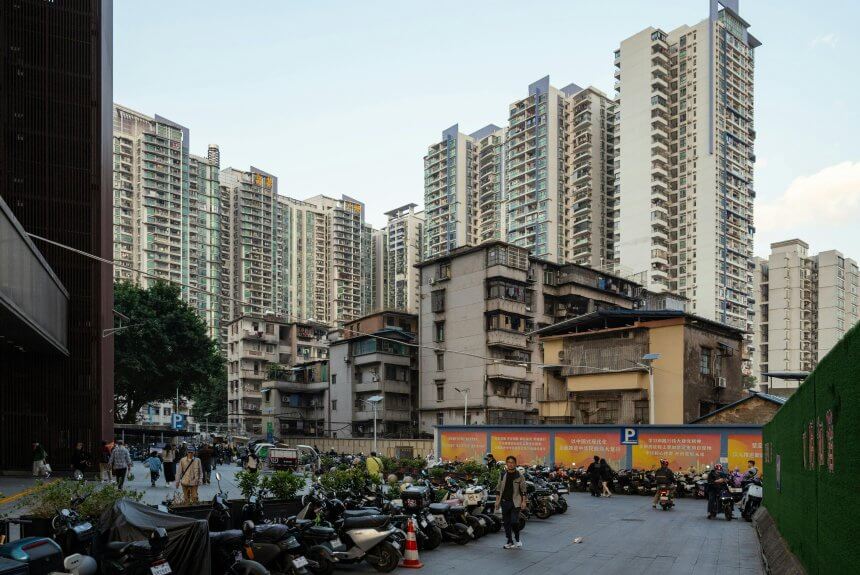
China: How To Reach The Hardest-To-Reach Climate Target Group
Vincent Mao Low-to-moderate-income (LMI) urban households and and rural households.China’s march toward its ambitious goals of peaking emissions before 2030 and achieving carbon neutrality before 2060 is largely driven by large-scale industrial and utility sector reforms. However, the next frontier—and the hardest to reach climate target group—lies within the nation’s low-to-moderate-income (LMI) and rural households….

European Union: How To Reach The Hardest-To-Reach Climate Target Group
Siti Syaliza Mustapha Elderly Rural Households and the EU’s Climate Commitment at COP30As European leaders gather for COP30 in Belém, Brazil, the EU stands at a pivotal crossroads for its climate credibility. Days ahead of the summit, EU Environment Ministers are preparing to finalize the 2040 climate target—aiming for a 90% reduction in greenhouse gas…

France: How To Reach The Hardest-To-Reach Climate Target Group
Camille Huret Low-income adults living in rural and peri-urban areas who depend on private thermal vehicles every day. Public transport options are limited, making car use essential rather than optional.In France, one of the hardest climate target groups to reach is low-income adults living in rural and peri-urban areas who depend on private thermal vehicles…

Germany: How To Reach The Hardest-To-Reach Climate Target Group
Monique de Ritter Low-Income Households in Eastern GermanyIn Eastern Germany (the former German Democratic Republic, GDR), a complex challenge emerges at the intersection of socioeconomic struggles and environmental concerns. This region, encompassing states like Saxony, Thuringia, and Brandenburg, is characterized by a high prevalence of low-income households (salaries in the west are on average 16%…
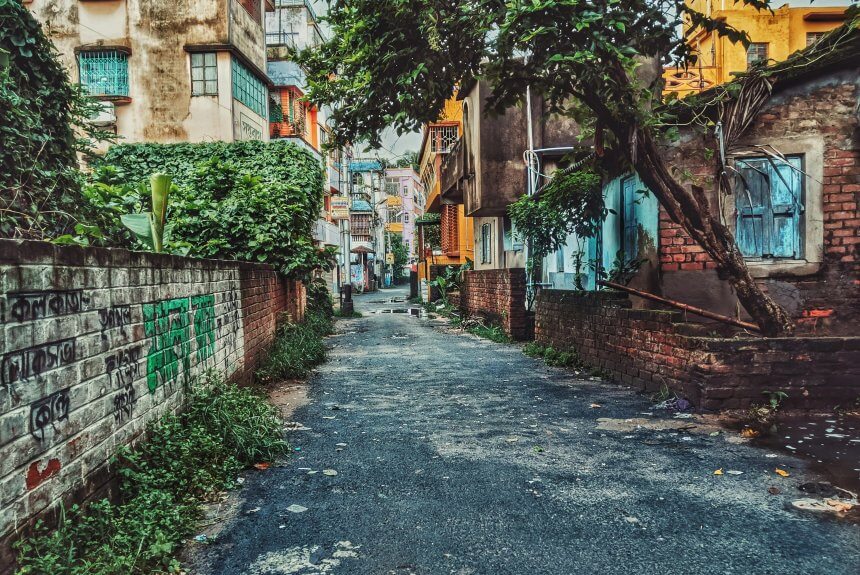
India: How To Reach The Hardest-To-Reach Climate Target Group
Ankita Padelkar Rural low-income communities, including smallholder farmers and daily wage laborers.As of 2024, approximately 63.13% of India’s population resides in rural areas, according to World Bank data compiled from government sources. This accounts for nearly 900 million people living in dispersed villages and small towns across India. Nearly 47% of the population depends on…

Indonesia: How To Reach The Hardest-To-Reach Climate Target Group
Netra Naik Rural smallholder farmers and small-scale coastal fishers, especially in Papua, Maluku, East Nusa Tengarra, Sulawesi, and Kalimantan.Indonesia’s climate success depends on reaching its rural smallholder farmers and small-scale coastal fishers, who remain the hardest groups to include in emission reduction programs. Concentrated in Papua, Maluku, East Nusa Tenggara, Sulawesi, and Kalimantan, these communities,…
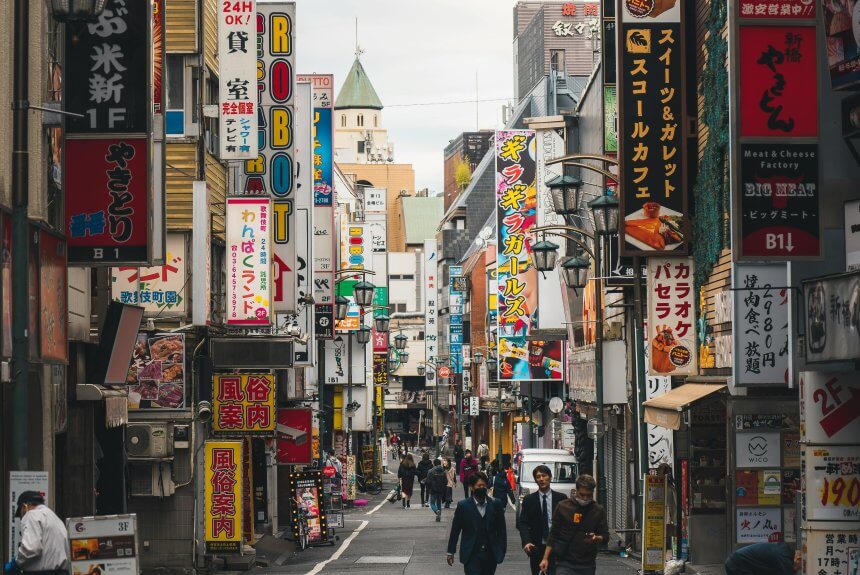
Japan: How To Reach The Hardest-To-Reach Climate Target Group
Delmaria Richards Japan has made bold promises to reduce greenhouse gas (GHG) emissions by 46% by 2030 (from 2013 levels) and reach net-zero by 2050. While urban areas and younger populations have pushed renewable energy and efficiency measures forward, a substantial group lags, that is, the elderly, low-income residents of rural Japan. Their daily lives,…

Mexico: How To Reach The Hardest-To-Reach Climate Target Group
Pablo David Necoechea Porras Smallholder Farmers in Semi-Arid RegionsOne of the hardest-to-reach groups for climate action in Mexico are smallholder farmers (campesinos) in semi-arid and drought-prone regions such as Zacatecas, Chihuahua, Durango, San Luis Potosí, and parts of Oaxaca and Guerrero.According to Mexico’s agricultural census (INEGI Censo Agropecuario 2022), there are nearly 4.8 million agricultural…
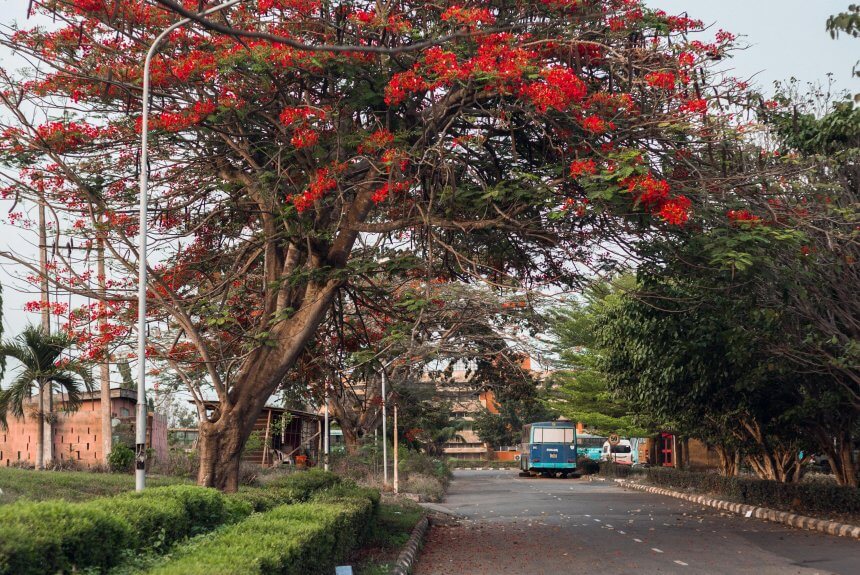
Nigeria: How To Reach The Hardest-To-Reach Climate Target Group
Michael Johnson Peri-urban and rural informal micro-entrepreneurs and subsistence farmers.In the global fight against climate change, one reality stands out: progress is limited when any community is left behind. For Nigeria, a nation rich in potential and resilience, building a truly sustainable future demands deliberate inclusion of those who remain on the margins of the…

Saudi Arabia: How To Reach The Hardest-To-Reach Climate Target Group
Abeer Abdulkareem, Amgad Ellaboudy Migrant workers Migrant communities represent about 37% percent of the total population in Saudi Arabia. According to 2020 global estimates on international migrant workers in the Gulf Cooperation Council (GCC), there were over 13 million migrant workers who resided in Saudi Arabia. Of those, around a quarter of a million of…

South Africa: How To Reach The Hardest-To-Reach Climate Target Group
Rugare Zhou Low-income communities, small-scale farmers, and people with low literacy levels. The hardest populations to reach with climate change information in South Africa are low-income communities, small-scale farmers, and people with low literacy levels due to barriers like limited access to technology, poor dissemination channels, and structural inequalities. These groups are often the most vulnerable to…

Spain: How To Reach The Hardest-To-Reach Climate Target Group
Juanjo Santos Energy-poor / low-income households living in energy-inefficient homes and Rural residents who are highly car-dependent (often older populations). The two hardest-to-reach population groups in Spain for meeting the NDC (2030) are:a)Energy-poor / low-income households living in energy-inefficient homes (concentrated in Extremadura, Castilla-La Mancha, Castilla y León, Andalusia). These households struggle to heat/cool homes,…

Turkey: How To Reach The Hardest-To-Reach Climate Target Group
İpek Gülkaya Taşgın In the rural heartlands in small homes built of stone and timber, live millions of low-income households — often elderly couples or families of farmers who still rely on firewood and coal to stay warm through the long, freezing winters. When we talk about climate action in Türkiye, the spotlight often falls on…

UK: How To Reach The Hardest-To-Reach Climate Target Group
Cesar A.A. Da Silva Low-income, privately rented (or older) households living in inefficient housing stock, primarily outside of major metropolitan areas. In the United Kingdom, one of the most challenging groups to engage meaningfully in emissions-reduction efforts are low-income, privately rented (or older) households living in inefficient housing stock, primarily outside of major metropolitan areas. …

US: How To Reach The Hardest-To-Reach Climate Target Group
Abby Carlson Peoples’ political party affiliation. Republicans tend to have the highest percentage of climate change deniers in the United States when compared to libertarian or Democratic voters.According to the University of Michigan, 15% of Americans are active climate change deniers. The study found that the highest prevalence of climate change deniers are located in…
Climate Commitments
Tracking the short and long-term climate goals of leading greenhouse emissions countries
Read More
NDC Tracking Sources
View the sources we use to track progress of countries’ committments.
Read More