One of the current agendas of the Trump administration in the United States is to divest from climate mitigation infrastructure and programs and instead invest in economic development. While the US economy has not entered a full-fledged recession, the administration’s agenda has led many consumers to doubt the economic forecast for this presidency. While consumer...

Tag: 95
UK: Climate Mitigation & Economic Development
The tension between economic development and climate mitigation helps explain why climate action has slipped down the list of national policy priorities. In the United Kingdom, the collision between climate ambition and economic necessity has become one of the defining policy tensions of the past decade. On paper, the UK is a global climate leader:...
Turkey: Climate Mitigation & Economic Development
Turkiye has a development model that still relies on large infrastructure projects and continued use of fossil fuels, especially coal and natural gas, even as renewable energy capacity expands.Türkiye’s climate policy sits at a familiar crossroads for many emerging economies. On paper, the country has embraced global climate goals, committing to net-zero emissions by 2053...
Spain: Climate Mitigation & Economic Development
Spain’s economic development, while legitimate and socially necessary, limits the country’s ability to commit to the fastest, deepest emission reductions fully.Spain indeed faces real and growing tensions between the drive for economic development (jobs, housing, consumption, growth), the costs and constraints of climate mitigation and transition, and how they may limit climate ambition (especially a...
South Africa: Climate Mitigation & Economic Development
South Africa faces a major conflict between climate action and economic development. The government is prioritizing inclusive growth through infrastructure, skills, and industrialization; however, climate policies like carbon pricing and just transition funds aim to bridge this by leveraging green investment (renewable energy, hydrogen) to create jobs. High-emitting sectors, such as coal-dependent industries, resist change, thereby slowing progress...
Saudi Arabia: Climate Mitigation & Economic Development
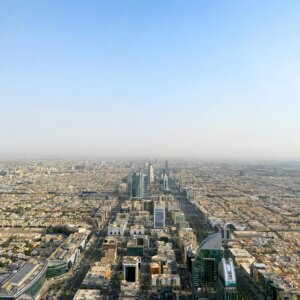
In Saudi Arabia, the tension between economic development and climate mitigation helps explain why mitigation has fluctuated as a national policy priority. Saudi Arabia’s economic development flagship program is Vision 2030. The initiative seeks to diversify the economy away from oil through mega construction projects like the futuristic city NEOM and soft-power initiatives like hosting the...
Nigeria: Climate Mitigation & Economic Development
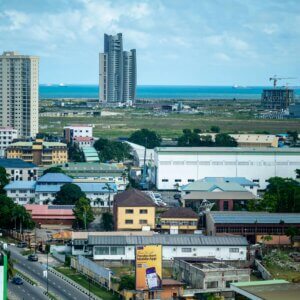
The future lies in seeing a stable climate not as a luxury, but as the essential foundation for a prosperous, healthy, and secure Nigeria. Imagine a family trying to decide how to spend their last bit of money. They need to buy food for dinner tonight, but they also need to fix a hole in...
Japan: Climate Mitigation & Economic Development
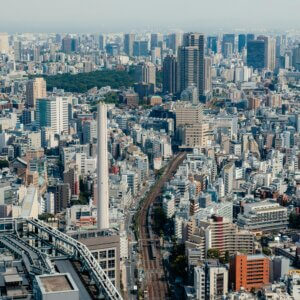
The tension between these priorities is shaping every major policy decision and raising questions about whether Japan can decarbonize fast enough while trying to revive growth and stabilize its energy system.Japan is once again confronting a familiar strategic dilemma. The government has raised its climate ambitions, pledged deeper emissions cuts, and promoted a vision of...
Indonesia: Climate Mitigation & Economic Development
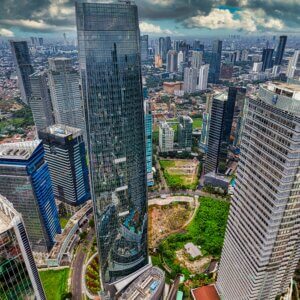
Economic growth often depends on affordable energy and a resource-driven industry that locks in high emissions.Indonesia faces a deep policy and cost tension between economic development priorities and climate change mitigation commitments. The government has set ambitious goals to provide jobs, build infrastructure, expand energy access, and reduce poverty. Still, these priorities often run up...
India: Climate Mitigation & Economic Development
INDIA Economic policies push India’s emissions higher by fuelling energy-intensive growth and constraining the pace and depth of mitigation through high GDP targets. India’s pursuit of rapid economic development, driven by a young population and ambitious growth targets, inherently clashes with the imperatives of climate mitigation, which demand substantial upfront investments and structural shifts away...