


THE CLIMATE SCORECARD MAGAZINE
A way to learn about efforts to fight climate change
in leading greenhouse gas emission countries
Issue #12 // April 2026
Climate Change and Artificial Intelligence
Climate Scorecard depends on donations from people like you
ABOUT CLIMATE SCORECARD MAGAZINE
Climate Scorecard Magazine is a monthly digital magazine intended to inform those interested in climate change about trends to reduce emissions in leading greenhouse emitting countries. Each month we will focus on a different topic related to climate change, e.g. fossil fuels, renewable energy; and provide our readers with information and analysis of policy and program trends within and across countries. We trust our magazine will help increase your knowledge and understanding and welcome your feedback. Please send any comments to: contact (at) climatescorecard.org.
Ron Israel
Publisher and Editor
Climate Scorecard Magazine
Introduction
Climate Scorecard Magazine #12 describes the ways in which climate change is being affected by artificial intelligence in leading greenhouse gas emitting countries. It describes the ways in which each country is developing and using artificial intelligence. In what ways is AI making it easier to track changes in country emissions, pollution, and temperature. And what is each country doing to meet AI’s need for vast amounts of energy? Is the trade off between AI’s benefits and constraints worthwhile? What will be AI’s impact on each country’s ability to meet its Paris Agreement goals?
The table below provides a summary on the impact of AI in efforts to address climate change in each country. Complete Country Reports follow below.
| Country | Summaries of AI Impacts |
| Brazil | The balance between the benefits and limitations of AI depends on clear public policies. |
| Canada | AI’s success in Canada depends on ensuring AI expansion is matched by rapid, clean energy infrastructure development. |
| China | The trade-off between AI’s energy consumption and its climate benefits is currently a point of intense national debate in China. |
| European Union | The EU’s strategic goal is for all data centers to be climate-neutral by 2030. |
| France | If AI grows without clean energy, it could increase emissions. With clean electricity and strong rules, AI can support climate goals instead of harming them. |
| Germany | At present it is not yet clear what AI’s net balance impact on climate will be. It will heavily depend on execution and timing. |
| India | AI’s positive impacts on emissions tracking, climate resilience, and adaptation far outweigh energy costs when paired with renewables. |
| Indonesia | When weighed carefully, the trade-offs between AI’s benefits and its constraints lean toward positive outcomes, if guided by strong policy and sustainability commitments. |
| Japan | As AI adoption accelerates, Japan faces a critical challenge: ensuring that digital growth is powered by low-carbon electricity. |
| Mexico | Realizing AI’s climate-positive potential depends on coupling computational growth with strategic, large-scale investment in renewable energy and sustainable grid infrastructure. |
| Nigeria | The avoided emissions from AI-enabled interventions likely far exceed the direct emissions from running these systems. |
| Saudi Arabia | AI can support Saudi Arabia’s ability to meet its Paris Agreement goals, but only as a complementary tool rather than a primary solution. |
| South Africa | The trade-off between AI’s high energy consumption and its potential to reduce carbon emissions is considered worthwhile if managed properly. |
| Spain | In Spain’s case, the relatively rapid decarbonization of the electricity sector increases the likelihood that AI’s indirect emissions will decline over time. |
| Turkey | The same technology that improves climate governance also drives energy demand. If digital expansion outpaces clean energy growth, emissions could rise rather than fall. |
| United Kingdom | The UK is seeking to harness AI’s transformative potential while ensuring that the infrastructure supporting it does not compromise the very climate goals it is meant to advance. |
| United States | Construction and maintenance of data centers to help power AI exacts a heavy toll on the environment in the United States. |
Country Reports

Brazil: Climate Change and Artificial Intelligence
Carlos Alexandre de Oliveira The balance between the benefits and limitations of AI depends on clear public policies.Brazil has made progress in the development and application of artificial intelligence (AI), especially in areas such as agriculture, health, public safety, and, more recently, the environment. Universities such as USP, Unicamp, and UFMG, as well as research…
Canada: Climate Change and Artificial Intelligence
Diane Szoller AI’s success depends on ensuring that AI expansion is matched by rapid, clean-energy infrastructure development. Artificial intelligence (AI) has become both a mixed blessing and a mixed blessing regarding climate change. UNEP calls attention to its ability to detect patterns in data and uses historical knowledge to predict future outcomes, for example, to…
China: Climate Change and Artificial Intelligence
Vincent Mao The trade-off between AI’s energy consumption and its climate benefits is currently a point of intense national debate. China has positioned artificial intelligence (AI) as a cornerstone of its national strategy, aiming to become the world’s primary AI innovation center by 2030. In 2026, the government’s 15th Five-Year Plan has further integrated AI…
EU: Climate Change and Artificial Intelligence
Siti Syaliza Mustapha European Union The EU’s strategic goal is for all data centres to be climate-neutral by 2030.Europe is positioning itself at the intersection of two transformational forces: climate action and artificial intelligence. This dual pursuit is reshaping how the EU monitors, mitigates, and manages climate change — but it also raises hard questions…

France: Climate Change and Artificial Intelligence
Camille Huret If AI grows without clean energy, it could increase emissions. With clean electricity and strong regulations, AI can support climate goals rather than harm them.Currently, France uses artificial intelligence (AI) in energy, weather, and environmental monitoring. For example, AI is used in tracking climate and pollution within the following companies: Météo-France uses AI…
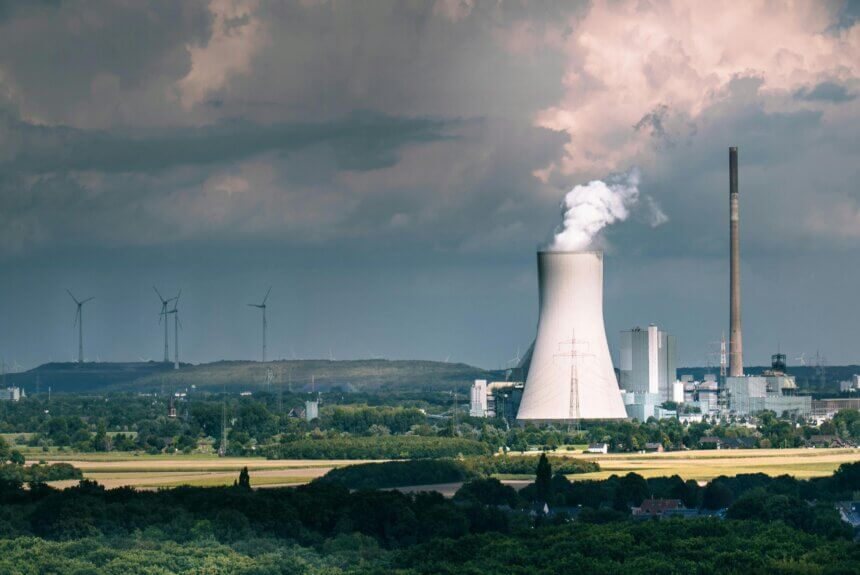
Germany: Climate Change and Artificial Intelligence
Monique de Ritter At present, it is not yet clear what AI’s net balance impact on the climate will be. It will heavily depend on execution and timing.Germany has positioned artificial intelligence as a central pillar of its economic future. The government’s High-Tech Agenda, launched in 2025, sets a concrete target of 10% of national…

India: Climate Change and Artificial Intelligence
Ankita Padelkar AI’s positive impacts on emissions tracking, climate resilience, and adaptation far outweigh energy costs when paired with renewables. India is rapidly advancing in the field of artificial intelligence (AI), positioning itself as a global leader through initiatives like the IndiaAI Mission (approved in 2024) and the India-AI Impact Summit in February 2026. The…
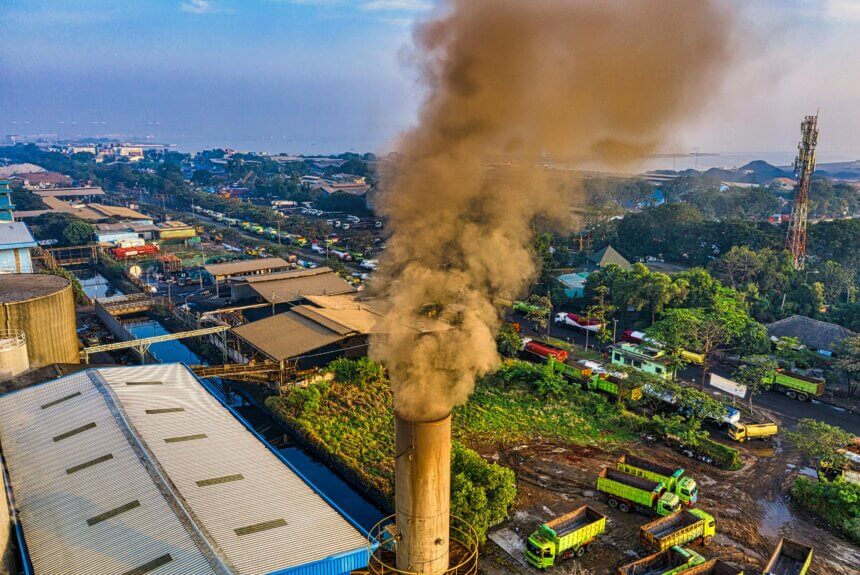
Indonesia: Climate Change and Artificial Intelligence
Netra Naik When weighed carefully, the trade-offs between AI’s benefits and its constraints tend toward positive outcomes when guided by strong policy and sustainability commitments.As Indonesia faces intensifying climate impacts from rising temperatures and shifting rainfall patterns to more frequent extreme weather, new tools are emerging to help understand, adapt to, and mitigate these challenges….

Japan: Climate Change and Artificial Intelligence
Delmaria Richards As AI adoption accelerates, Japan faces a critical challenge: ensuring that digital growth is powered by low-carbon electricity.Japan is accelerating its adoption of artificial intelligence (AI), integrating advanced computing into manufacturing, healthcare, public administration, and climate planning. However, as AI becomes central to the country’s economic and technological strategy, experts warn that its…

Mexico: Climate Change and Artificial Intelligence
Miguel Angel Martinez Jr. Realizing AI’s climate-positive potential depends on coupling computational growth with strategic, large-scale investment in renewable energy and sustainable grid infrastructure.Artificial intelligence (AI) is rapidly emerging as a strategic priority in México, both as a driver of technological modernization and a potential instrument for improving climate-related monitoring and decision-making. The federal government…

Nigeria: Climate Change and Artificial Intelligence
Michael Johnson The avoided emissions from AI-enabled interventions likely far exceed the direct emissions from running these systems. Nigeria’s artificial intelligence ecosystem has evolved remarkably over the past decade. The country now boasts a thriving community of AI researchers, startups, and government initiatives focused on leveraging machine learning for national development. Since its founding in…

Saudi Arabia: Climate Change and Artificial Intelligence
Abeer Abdulkareem, Amgad Ellaboudy AI can support Saudi Arabia’s ability to meet its Paris Agreement goals, but only as a complementary tool rather than a primary solution.Saudi Arabia’s generative Artificial Intelligence (AI) strategy has been led by the Saudi Arabia Data and Artificial Intelligence Authority (SDAIA). Its goal is to diversify its economy beyond oil…
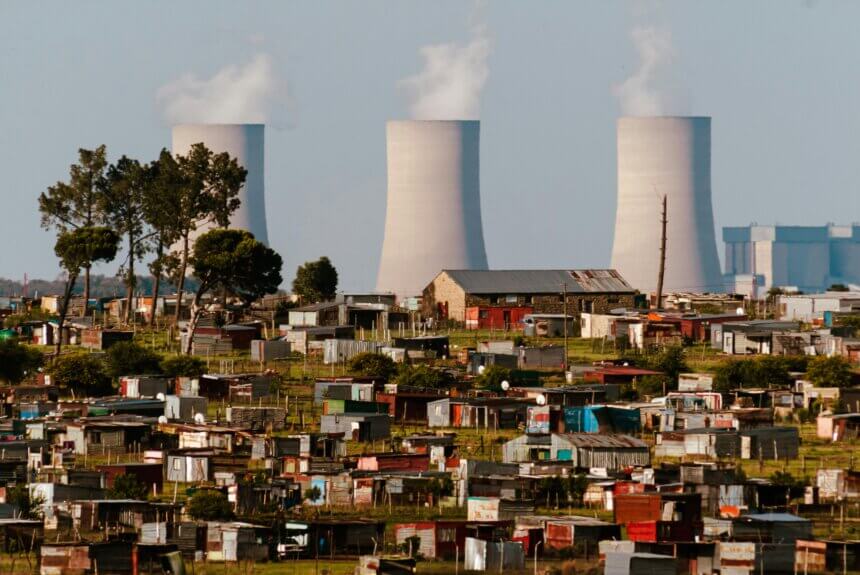
South Africa: Climate Change and Artificial Intelligence
Rugare Zhou The trade-off between AI’s high energy consumption and its potential to reduce carbon emissions is considered worthwhile if managed properly. Artificial intelligence (AI) is evolving from a consumer tool into a strategic asset for climate action, focusing on optimizing energy grids, monitoring environmental data, and aiding agricultural resilience. AI is accelerating South Africa’s transition…

Spain: Climate Change and Artificial Intelligence
Juanjo Santos Advances in algorithm design, hardware efficiency, and renewable-powered infrastructure can significantly reduce the environmental impact of AI systems. In Spain’s case, the relatively rapid decarbonization of the electricity sector increases the likelihood that AI’s indirect emissions will decline over time.As with a blade capable of both sustenance and harm, Artificial Intelligence (AI) embodies…
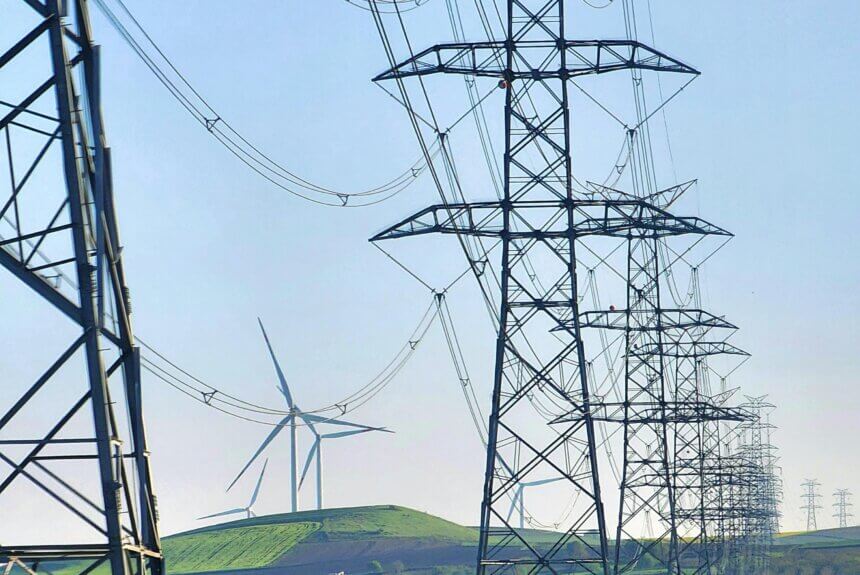
Turkey: Climate Change and Artificial Intelligence
İpek Gülkaya Taşgın If digital expansion outpaces clean energy growth, emissions could rise rather than fall.The integration of artificial intelligence into public administration has become a central component of digital governance reform in Türkiye. The government has established a formal policy framework to guide this transformation through the National Artificial Intelligence Strategy 2021–2025, which sets…

UK: Climate Change and Artificial Intelligence
Cesar A.A. Da Silva Harness AI’s transformative potential while ensuring that the infrastructure supporting it does not compromise the very climate goals it is meant to advance. In recent years, the United Kingdom has positioned itself as one of Europe’s leading hubs for artificial intelligence (AI), with significant investments in research, commercial deployment, and public-sector…
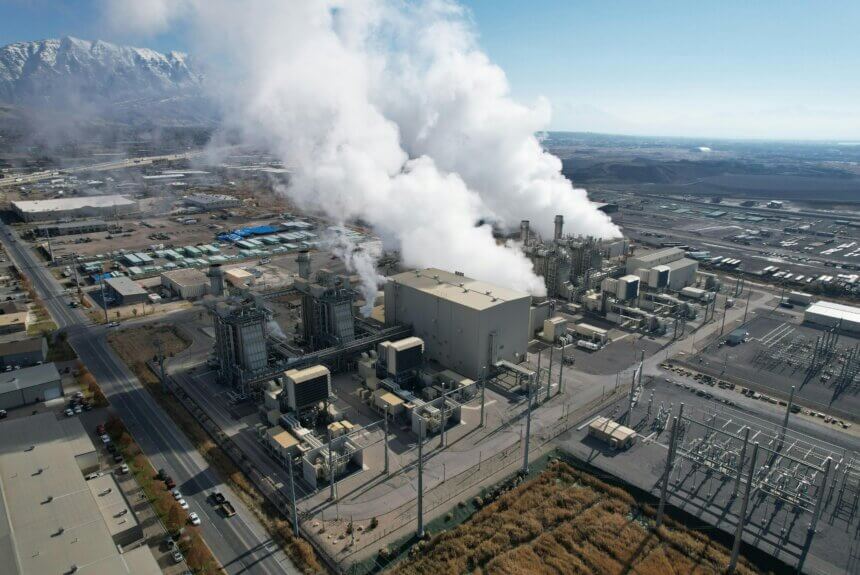
US: Climate Change and Artificial Intelligence
Abby Carlson The construction and maintenance of data centers to power AI exact a heavy environmental toll in the United States and around the world. AI has been in high demand and continues to grow exponentially. The current Trump administration’s agenda has further accelerated growth and demand. For example, data centers rely on high water use to…
Climate Commitments
Tracking the short and long-term climate goals of leading greenhouse emissions countries
Read More

NDC Tracking Sources
View the sources we use to track progress of countries’ committments.
Read More