


THE CLIMATE SCORECARD MAGAZINE
A way to learn about efforts to fight climate change
in leading greenhouse gas emission countries
Issue #7 // November 2025
The Politics of Climate Change

Climate Scorecard depends on donations from people like you
ABOUT CLIMATE SCORECARD MAGAZINE
Climate Scorecard Magazine is a monthly digital magazine intended to inform those interested in climate change about trends to reduce emissions in leading greenhouse emitting countries. Each month we will focus on a different topic related to climate change, e.g. fossil fuels, renewable energy; and provide our readers with information and analysis of policy and program trends within and across countries. We trust our magazine will help increase your knowledge and understanding and welcome your feedback. Please send any comments to: contact (at) climatescorecard.org.
Ron Israel
Publisher and Editor
Climate Scorecard Magazine
Introduction
Climate Scorecard Issue # 7 explores the political forces that affect the status of emissions in the leading greenhouse gas-emitting countries. Specifically, this issue examines several key forces: Political Leadership, which encompasses the governing parties and key individuals in power and their views on climate change; Technical Capacity, which refers to a country’s ability to assess and monitor emissions, and its effectiveness in building and supporting renewable energy infrastructure; Media, focusing on how a country’s media views climate change and the effects on citizen perceptions; and Popular Opinion Trends, which analyzes the degree to which citizens across various demographic groups support efforts to combat climate change. Each country report concludes by identifying specific, actionable steps that one of these forces could take to reduce greenhouse gas emissions. The table below summarizes how these major political forces in each country affect greenhouse gas emissions, followed by the individual country reports.
| Country | Climate Change Political Factor |
| Australia | There is a solid base of public support for climate action, especially among younger and urban Australians. However, some fatigue, cost sensitivity, and regional/industry-specific pockets of resistance remain. |
| Brazil | A firm commitment from political leadership is needed to reject fossil fuel exploration projects in sensitive areas, such as the Amazon, and to prioritize investment in renewable energy. |
| Canada | Oil and gas emissions have risen at record production levels, offsetting any emissions reductions in other sectors such as transportation, which remains at levels from 20 years ago, and buildings. |
| China | One of the most impactful actions China could take to further reduce its emissions would be for the political leadership to completely halt the approval and construction of new coal-fired power plants within the country. |
| European Union | The 2024 European Parliament elections fundamentally altered the political arithmetic for climate policy. |
| France | While emissions have fallen since the 1990s, recent data show that reductions in emissions have unfortunately slowed in early 2025. |
| Germany | The driving force is no longer climate action for its own sake, but climate action as a tool for ensuring industrial competitiveness and economic growth |
| India | While the government has launched significant renewable energy programs and made global commitments, the persistent dominance of coal, uneven media coverage, and limited public literacy limit transformative change. |
| Indonesia | Despite strong public support and technical tools, Indonesia’s climate progress is currently hindered by political interference and inconsistent governance. |
| Japan | Japan’s climate trajectory is caught between a new political push for nuclear energy and deep-seated public skepticism. Unlocking progress requires a definitive coal phase-out and a shift in narrative toward economic opportunity. |
| Mexico | Overall, public support for climate policies exists, but must be balanced with social equity considerations |
| Nigeria | Nigeria is trying to use the wealth of the old economy to build the new one, all while managing a cost-of-living crisis. For them, climate policy is ultimately about national stability and economic security |
| Saudi Arabia | Prioritizing large-scale solar projects in the central and western regions, where sunlight intensity is highest, could both displace oil-based power generation and enable the export of low-carbon electricity to neighboring countries. |
| South Africa | Climate change is a politically isolating issue where the ANC’s commitments clash with a rigid dependence on coal. Progress is further stifled by pro-coal opposition, technical gaps, and pressing economic anxieties. |
| Spain | Public opinion is strongly in favor of climate action, though it is concerned about paying the bill for climate change measures through inflation and taxes. |
| Turkey | A potential turning point came on July 9, 2025, when Türkiye adopted its first Climate Law. |
| United Kingdom | The UK combines strong technical institutions and broad public support for climate action with a political environment that prizes both industrial strategy and energy security. That mix makes continued emissions reductions technically feasible, but not inevitable. |
| United States | America’s growing disregard for climate policy also undermines global efforts to address climate change. |
Country Reports

Australia: The Politics of Climate Change
Jessica Gregory There is a solid base of public support for climate action — especially among younger and urban Australians — but some fatigue, cost-sensitivity, and regional/industry-based pockets of resistance remain. Political Leadership The federal government is led by the Australian Labor Party (ALP), led by Anthony Albanese, which, since 2022, has signaled stronger…
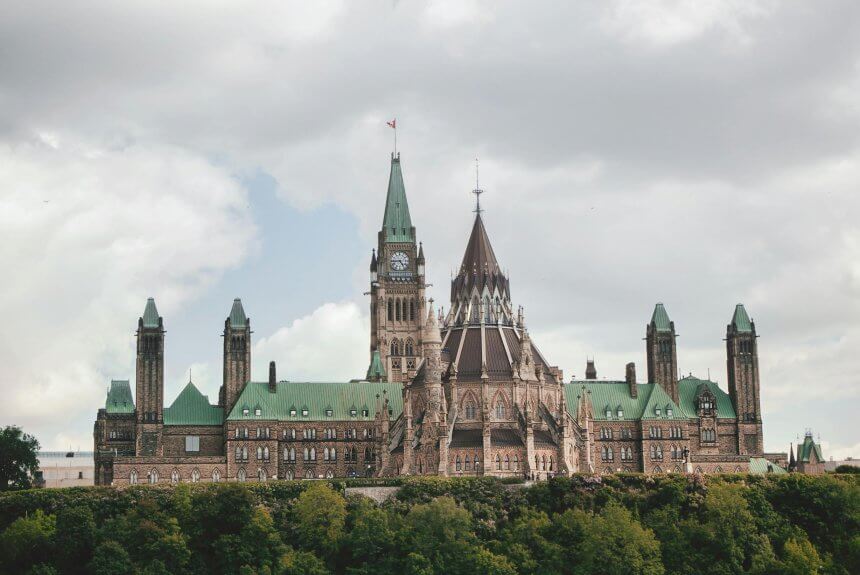
Canada: The Politics of Climate Change
Diane Szoller Oil and gas emissions have risen at record production levels, offsetting any emissions reductions in other sectors like transportation (still at levels from 20 years ago) and buildings. Political forces affecting Canada’s status on greenhouse gas emissions (GHGs) reduction have been influenced heavily recently by: Political leadership – Parliament reconvened May 16, following…

China: The Politics of Climate Change
Vincent Mao One of the most impactful actions China could take to reduce its GHG emissions further would be for the political leadership to halt the approval and construction of new coal-fired power plants nationwide.China, the world’s largest emitter of greenhouse gases (GHGs), is at a critical juncture. The nation’s efforts to curb its emissions…

France: The Politics of Climate Change
Camille Huret While emissions have fallen since the 1990s, recent data show that reductions in emissions have unfortunately slowed in early 2025. France’s greenhouse gas emissions are shaped by a complex mix of political, technical, media, and public opinion forces. The government’s climate policy is guided by the 2019 Energy and Climate Act, which sets…
EU: The Politics of Climate Change
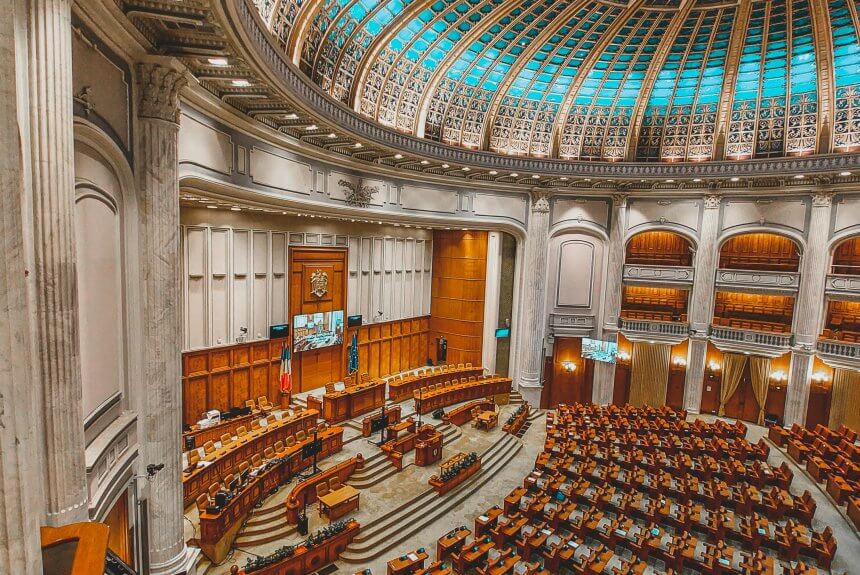
Siti Syaliza Mustapha The 2024 European Parliament elections fundamentally altered the political arithmetic for climate policy. The European Union stands at a critical juncture in its climate ambitions, where political forces across multiple dimensions—leadership, institutional capacity, media influence, and public opinion—are collectively shaping the trajectory of greenhouse gas emissions-reduction efforts. As the bloc aims to…
Germany: The Politics of Climate Change
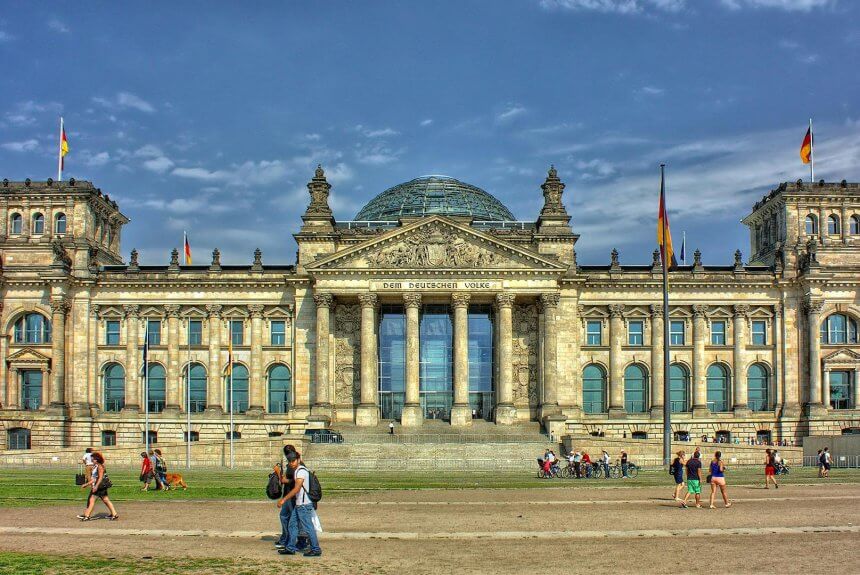
Monique de Ritter The driving force is no longer climate action for its own sake, but climate action as a tool for ensuring industrial competitiveness and economic growth. The formation of a new German government under Chancellor Friedrich Merz of the center-right Christian Democratic Union (CDU), who was formally elected on 6 May 2025, marks a…
India: The Politics of Climate Change
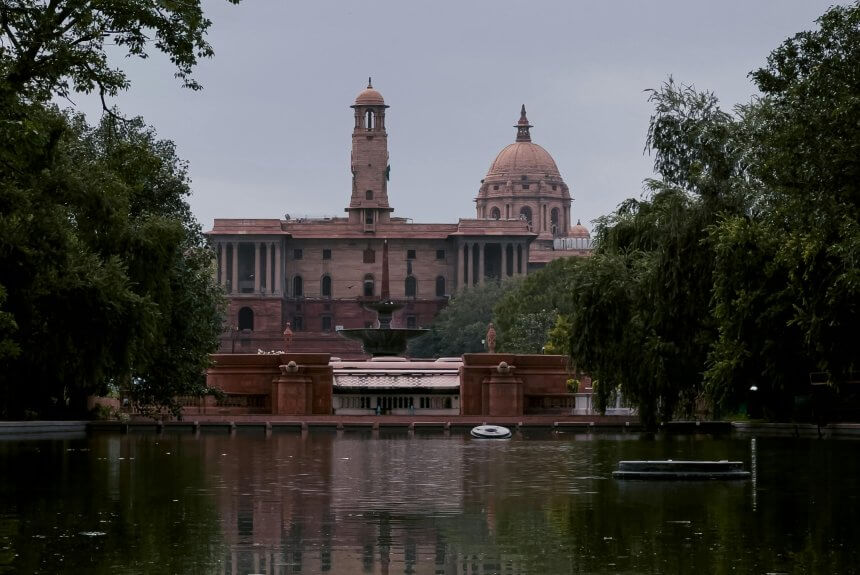
Ankita Padelkar While the government has launched significant renewable energy programs and made global commitments, the persistent dominance of coal, uneven media coverage, and limited public literacy limit transformative change. India, as the world’s third-largest emitter of greenhouse gases, faces a complex interplay of political, technical, media, and public forces shaping its climate policies. This…
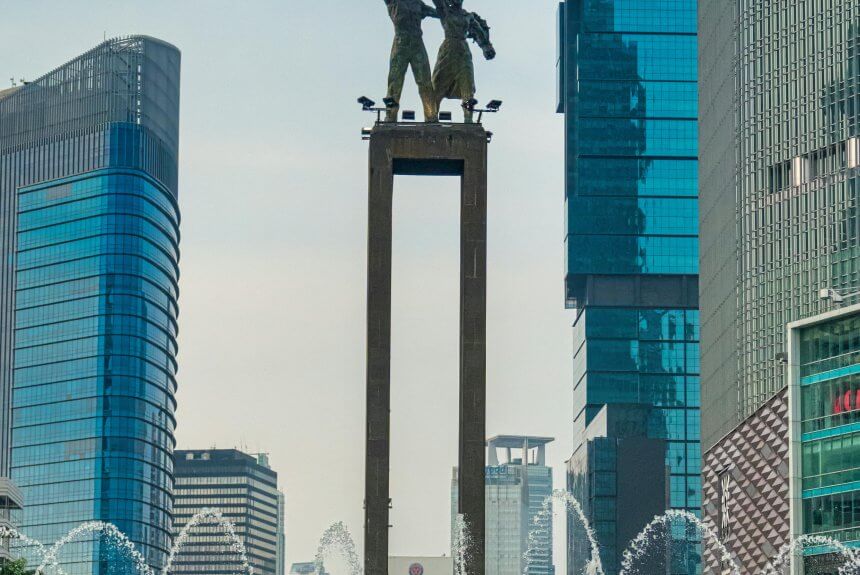
Indonesia: The Politics of Climate Change
Netra Naik Four political forces —leadership, technical capacity, media, and popular opinion — characterize the politics of climate change in Indonesia. Indonesia sits at the center of the global climate challenge. The country pledges to reach net zero by 2060, restore 3.3 million hectares of mangroves, and tap its vast 3,600 gigawatts of renewable potential….
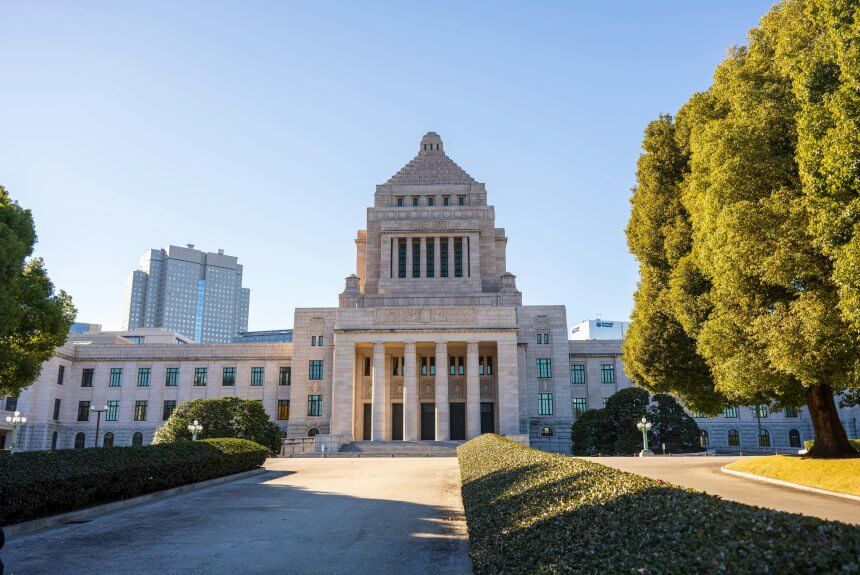
Japan: The Politics of Climate Change
Delmaria Richards Political forces, leadership, technical capacity, media narratives, and popular opinion are deeply intertwined in shaping the nation’s climate trajectory Japan, the world’s third-largest economy and one of its top greenhouse gas (GHG) emitters, has pledged ambitious climate targets: a 46% cut in emissions by 2030 (from 2013 levels) and net-zero by 2050. Yet…
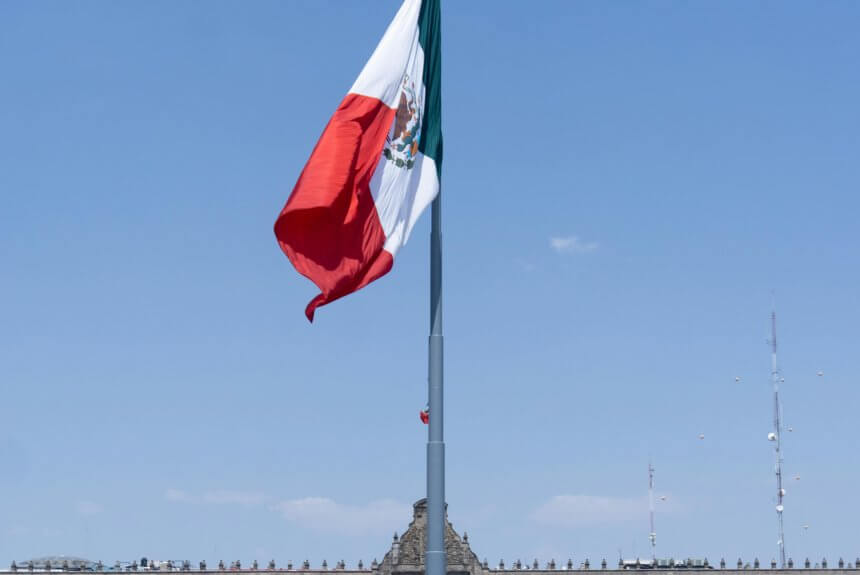
Mexico: The Politics of Climate Change
Pablo David Necoechea Porras Overall, public support for climate policies exists but must be balanced with social equity considerations. Mexico, as one of the largest economies in Latin America, faces significant challenges in managing its greenhouse gas (GHG) emissions. Political forces play a central role in determining how effectively the country addresses climate change. These…

Nigeria: The Politics of Climate Change
Michael Johnson Nigeria is trying to use the wealth of the old economy to build the new one, all while managing a cost-of-living crisis. For them, climate policy is ultimately about national stability and economic security. Every evening, across the sprawling city of Lagos, a familiar sound kicks in: the sputtering roar of thousands of…

Saudi Arabia: The Politics of Climate Change
Abeer Abdulkareem, Amgad Ellaboudy Although the Saudi Green Initiative already targets 50% renewable electricity generation by 2030, prioritizing large-scale solar projects in the central and western regions, where sunlight intensity is highest, could both displace oil-based power generation and enable the export of low-carbon electricity to neighboring countries. Saudi Arabia’s policy on climate change is…

South Africa: The Politics of Climate Change
Rugare Zhou In South Africa, climate change is a politically isolating issue. South Africa‘s African National Congress (ANC) is quite committed to climate action. However, implementation of this goal has been criticized because of South Africa’s total dependence on coal. Reliance on coal reflects the need for the government to balance economic interests with environmental…

Spain: The Politics of Climate Change
Juanjo Santos Spanish public opinion is strongly in favor of climate action, though it is concerned about paying the bill for climate change measures through inflation and taxes. Political forces affecting Spain’s greenhouse gas emissions nowadays are led by a coalition that includes the Spanish Socialist Workers’ Party (PSOE) together with the progressive left-wing platform Sumar….
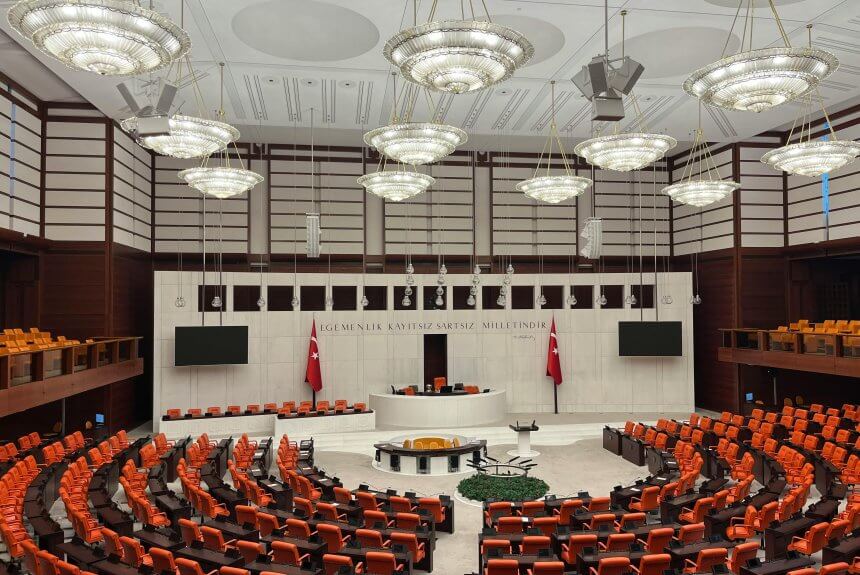
Turkey: The Politics of Climate Change
İpek Gülkaya Taşgın A potential turning point came on July 9, 2025, when Türkiye adopted its first Climate Law. President Recep Tayyip Erdoğan and the ruling Justice and Development Party (AKP) have long balanced climate pledges against fossil-fuel realities. On the one hand, Türkiye has committed to the Paris Agreement and set a net-zero target…
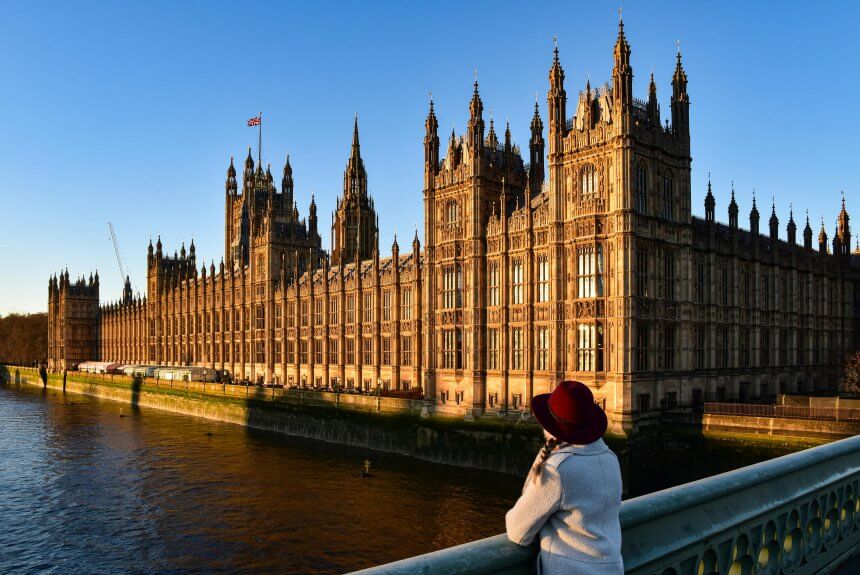
UK: The Politics of Climate Change
Cesar A.A. Da Silva Britain has cut greenhouse-gas emissions substantially since 1990, driven largely by a switch away from coal and rapid growth in renewables. However, political choices, institutional capacity, and media debates now shape whether the country stays on track to meet its legally binding carbon budgets and its 2050 Net Zero target. Political leadership:…

US: The Politics of Climate Change
Abby Carlson America’s growing disregard for climate policy also undermines global efforts to address climate change. The United States is currently a politically divided country, with many of its citizens exhibiting hyperpartisan tendencies. But as rhetoric continues to widen the divide in citizen discourse, many Americans do not follow one political party or another with…
Climate Commitments
Tracking the short and long-term climate goals of leading greenhouse emissions countries
Read More

NDC Tracking Sources
View the sources we use to track progress of countries’ committments.
Read More