


THE CLIMATE SCORECARD MAGAZINE
A way to learn about efforts to fight climate change
in leading greenhouse gas emission countries
Issue #10 // February 2026
Climate Mitigation & Economic Development
Climate Scorecard depends on donations from people like you
ABOUT CLIMATE SCORECARD MAGAZINE
Climate Scorecard Magazine is a monthly digital magazine intended to inform those interested in climate change about trends to reduce emissions in leading greenhouse emitting countries. Each month we will focus on a different topic related to climate change, e.g. fossil fuels, renewable energy; and provide our readers with information and analysis of policy and program trends within and across countries. We trust our magazine will help increase your knowledge and understanding and welcome your feedback. Please send any comments to: contact (at) climatescorecard.org.
Ron Israel
Publisher and Editor
Climate Scorecard Magazine
Introduction
Conflicts Between Country Climate Change and Economic Development Polices
Most countries face a policy and cost tension between investments in climate change and investments in economic development. The need to feed and house people, for example, often conflicts with the cost of investing in climate mitigation policies that at first may be expensive and have more limited benefits.
Climate Scorecard Magazine Issue #10 describes the policy and cost conflicts in leading greenhouse gas emitting countries between investing in climate change and investing in economic development. We describe each country’s economic development priorities; what policies are countries using or planning to use to address these priorities; and in what ways do they limit climate mitigation policies? For example, will investing in economic development limit a country’s ability to limit emission rise to below 1.5 degrees by 2030, as suggested by the IPCC?
Does the tension between economic development and climate mitigation policies help explain climate mitigation’s changing status as a national policy priority? Are there ways of bridging the barriers that prevent each country’s climate mitigation policies from more fully supporting economic development policies?
The table below summarizes the effects of sea level rise in each country. Complete Country Reports are provided below.
| Country | Conflicts Between Country Climate Change and Economic Development Policies |
| Australia | Climate mitigation can support, rather than hinder, Australia’s long-term economic development if policies are more tightly integrated. |
| Brazil | The Brazilian economy benefits when the climate agenda is treated as an ally of growth—not as an obstacle. |
| Canada | Tensions between economic development and climate mitigation policies reflect climate mitigation’s changing status as a national policy priority. |
| China | The cost of a total, immediate transition to renewables remains prohibitive for the heavy industries, such as steel, cement, and chemicals, that still underpin the national GDP. |
| European Union | Europe’s experience shows that the conflict between climate mitigation and economic development is neither inevitable nor easily resolved. |
| France | France’s main challenge is no longer technical, but political: aligning climate action with an economic model that delivers visible benefits to citizens in the short and long term. |
| Germany | The current administration has made the preservation of the internal combustion engine (ICE) a key aspect of its re-industrialization policy, illustrating a direct conflict between the immediate need for economic stability and the European Union’s long-term climate objectives. |
| India | Economic policies push India’s emissions higher by fueling energy-intensive growth and constraining the pace and depth of mitigation through high GDP targets. |
| Indonesia | Indonesia faces a deep policy and cost tension between economic development priorities and climate change mitigation commitments. |
| Japan | The tension between these priorities is shaping every major policy decision and raising questions about whether Japan can decarbonize fast enough while trying to revive growth and stabilize its energy system. |
| Nigeria | The future lies in seeing a stable climate not as a luxury, but as the essential foundation for a prosperous, healthy, and secure Nigeria. |
| Saudi Arabia | In Saudi Arabia, tension between economic development and climate mitigation does help explain why mitigation has fluctuated as a national policy priority. |
| South Africa | Achieving rapid emission reductions remains a major challenge in South Africa against competing development demands. |
| Spain | Spain’s economic development — while legitimate and socially necessary — limits the country’s ability to fully commit to the fastest, deepest emission reductions. |
| Turkey | Turkiye has a development model that still relies on large infrastructure projects and continued use of fossil fuels, especially coal and natural gas, even as renewable energy capacity expands. |
| United Kingdom | The tension between economic development and climate mitigation helps explain why climate action has slipped from the top tier of UK national policy priorities. |
| United States | Trump administration in the United States has decided to divest from climate mitigation infrastructure and programs, and instead invest in economic development. |
Country Reports

Australia: Climate Mitigation & Economic Development
Climate mitigation can support, rather than hinder, Australia’s long-term economic development if policies are more tightly integrated.Australia faces a clear policy tension between investing in climate mitigation and economic development. On the one hand, climate policy seeks accelerated reductions in emissions, the deployment of clean energy, and a transition away from fossil fuel dependence. On…

Brazil: Climate Mitigation & Economic Development
The Brazilian economy benefits when the climate agenda is treated as an ally of growth—not as an obstacle. Brazil is experiencing a structural tension between two agendas that, although complementary, frequently clash: accelerated economic development and climate change mitigation. In a country with high inequality, significant social needs, and a strong reliance on resource-intensive sectors, urgent…

Canada: Climate Mitigation & Economic Development
Tensions between economic development and climate mitigation policies reflect climate mitigation’s changing status as a national policy priority. Most countries face a policy and cost tension between investments in climate change versus economic development. Canada is no different. On November 7, Prime Minister Carney confirmed that Canada’s economic development priorities involve over $1 trillion over the…

China: Climate Mitigation & Economic Development
The cost of a total, immediate transition to renewables remains prohibitive for the heavy industries, such as steel, cement, and chemicals, that still underpin the national GDP.As China enters the inaugural year of its 15th Five-Year Plan (2026–2030), the world’s second-largest economy finds itself at a defining crossroads. The tension between maintaining robust economic development…
EU: Climate Mitigation & Economic Development
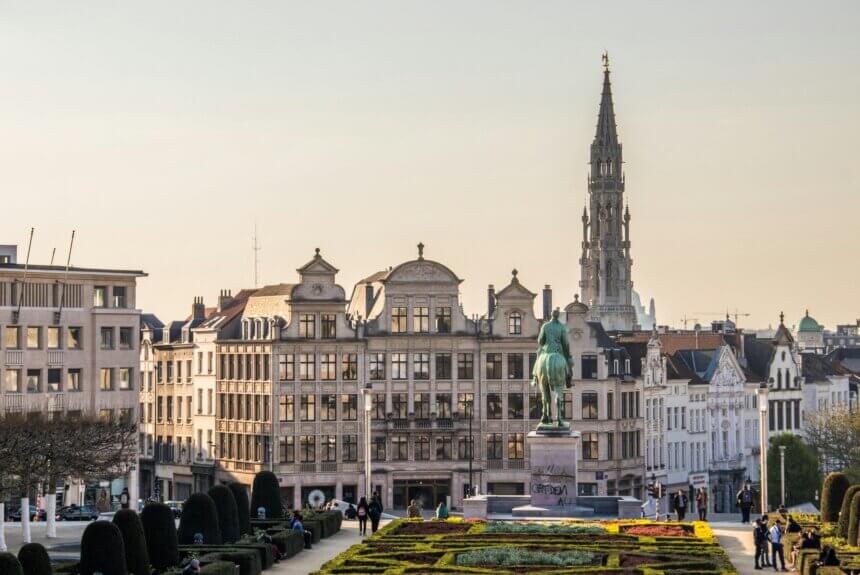
Europe’s experience shows that the conflict between climate mitigation and economic development is neither inevitable nor easily resolved.Europe faces a fundamental policy tension between climate mitigation ambitions and economic development priorities. While the European Union has committed to reducing greenhouse gas emissions by 55% by 2030 and achieving net-zero by 2050, member states simultaneously pursue…

France: Climate Mitigation & Economic Development
France’s main challenge is no longer technical, but political: aligning climate action with an economic model that delivers visible benefits to citizens in the short and long term.France faces a growing tension between economic development priorities and climate mitigation efforts. While the country maintains ambitious climate targets, rising living costs, energy price volatility, and concerns…
Germany: Climate Mitigation & Economic Development
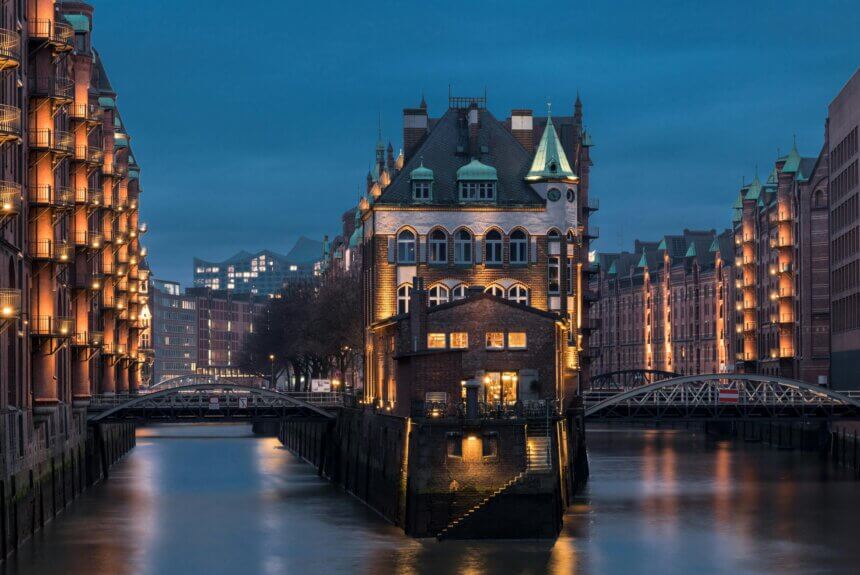
The current administration has made the preservation of the internal combustion engine (ICE) a key aspect of its re-industrialization policy, illustrating a direct conflict between the immediate need for economic stability and the European Union’s long-term climate objectives.Germany experienced a significant policy shift in 2025 when Chancellor Friedrich Merz (CDU) took office. The nation is…
India: Climate Mitigation & Economic Development
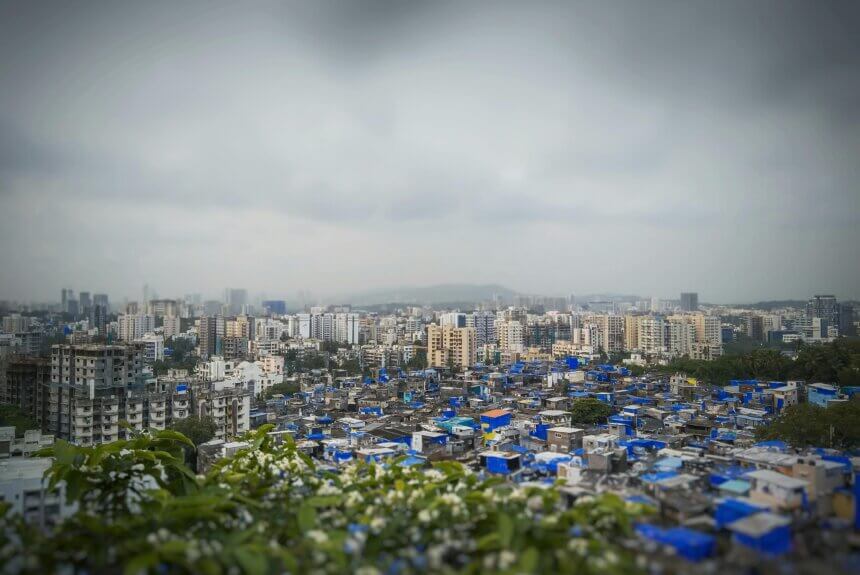
INDIA Economic policies push India’s emissions higher by fuelling energy-intensive growth and constraining the pace and depth of mitigation through high GDP targets. India’s pursuit of rapid economic development, driven by a young population and ambitious growth targets, inherently clashes with the imperatives of climate mitigation, which demand substantial upfront investments and structural shifts away…
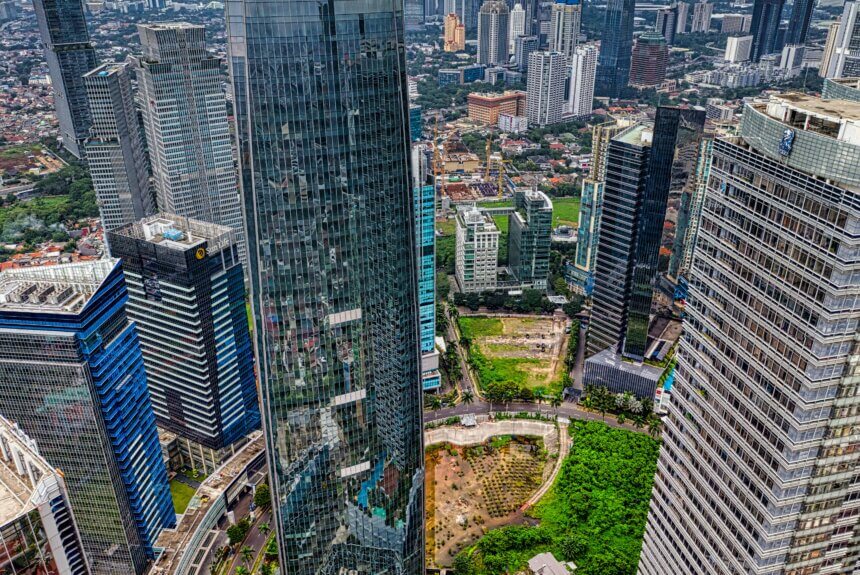
Indonesia: Climate Mitigation & Economic Development
Economic growth often depends on affordable energy and a resource-driven industry that locks in high emissions.Indonesia faces a deep policy and cost tension between economic development priorities and climate change mitigation commitments. The government has set ambitious goals to provide jobs, build infrastructure, expand energy access, and reduce poverty. Still, these priorities often run up…
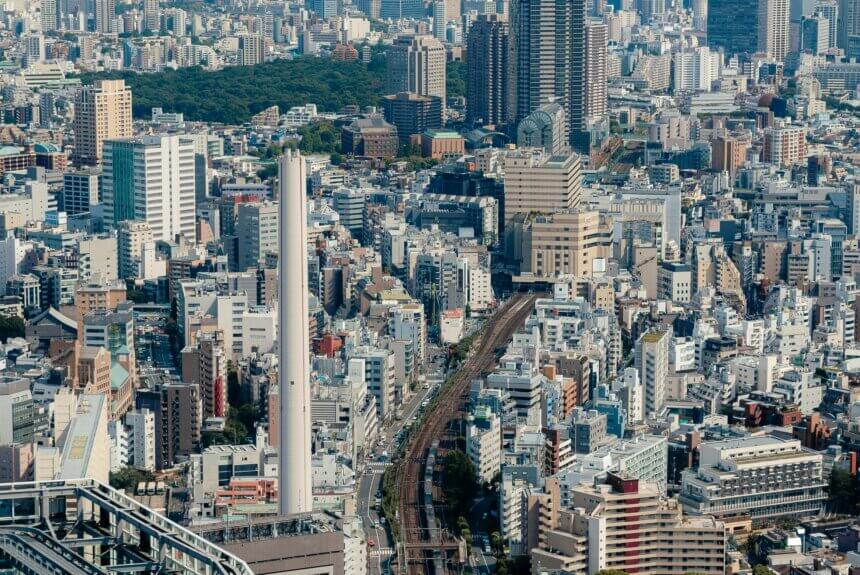
Japan: Climate Mitigation & Economic Development
The tension between these priorities is shaping every major policy decision and raising questions about whether Japan can decarbonize fast enough while trying to revive growth and stabilize its energy system.Japan is once again confronting a familiar strategic dilemma. The government has raised its climate ambitions, pledged deeper emissions cuts, and promoted a vision of…
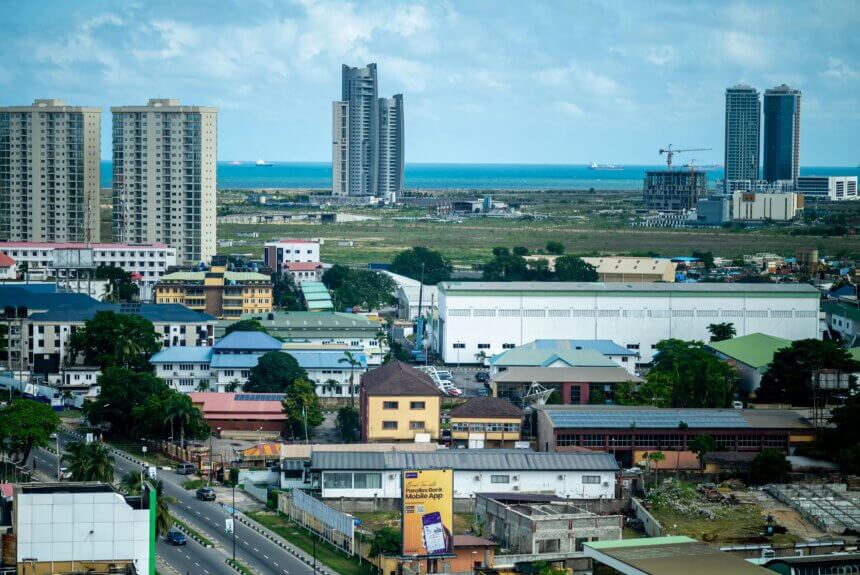
Nigeria: Climate Mitigation & Economic Development
The future lies in seeing a stable climate not as a luxury, but as the essential foundation for a prosperous, healthy, and secure Nigeria. Imagine a family trying to decide how to spend their last bit of money. They need to buy food for dinner tonight, but they also need to fix a hole in…
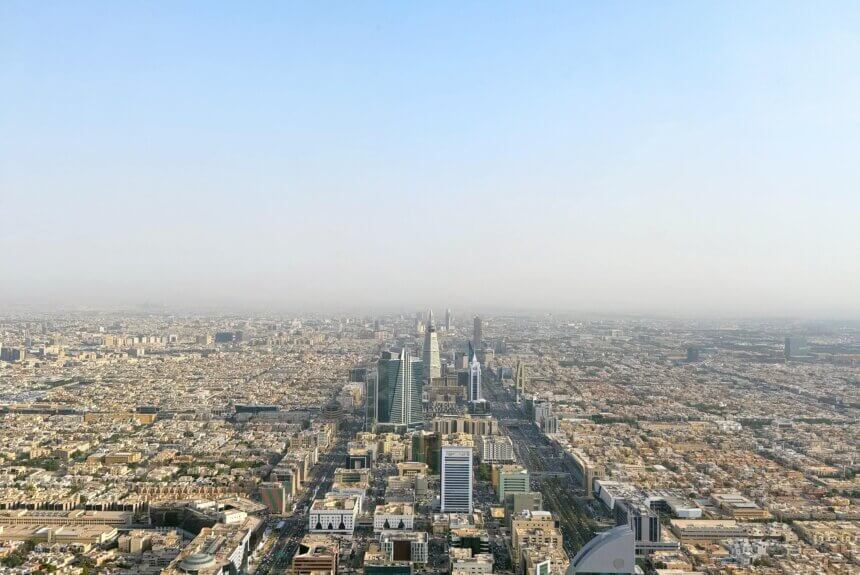
Saudi Arabia: Climate Mitigation & Economic Development
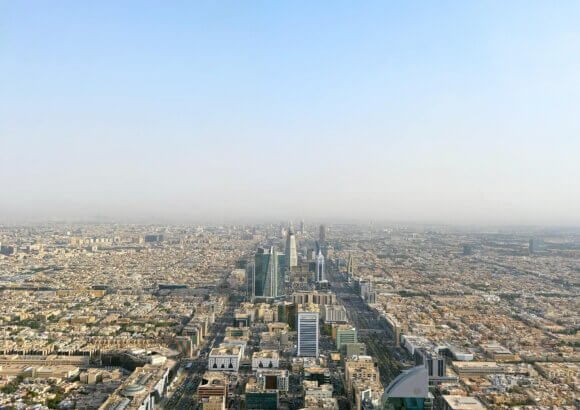
In Saudi Arabia, the tension between economic development and climate mitigation helps explain why mitigation has fluctuated as a national policy priority. Saudi Arabia’s economic development flagship program is Vision 2030. The initiative seeks to diversify the economy away from oil through mega construction projects like the futuristic city NEOM and soft-power initiatives like hosting the…

South Africa: Climate Mitigation & Economic Development
South Africa faces a major conflict between climate action and economic development. The government is prioritizing inclusive growth through infrastructure, skills, and industrialization; however, climate policies like carbon pricing and just transition funds aim to bridge this by leveraging green investment (renewable energy, hydrogen) to create jobs. High-emitting sectors, such as coal-dependent industries, resist change, thereby slowing progress…

Spain: Climate Mitigation & Economic Development
Spain’s economic development, while legitimate and socially necessary, limits the country’s ability to commit to the fastest, deepest emission reductions fully.Spain indeed faces real and growing tensions between the drive for economic development (jobs, housing, consumption, growth), the costs and constraints of climate mitigation and transition, and how they may limit climate ambition (especially a…

Turkey: Climate Mitigation & Economic Development
Turkiye has a development model that still relies on large infrastructure projects and continued use of fossil fuels, especially coal and natural gas, even as renewable energy capacity expands.Türkiye’s climate policy sits at a familiar crossroads for many emerging economies. On paper, the country has embraced global climate goals, committing to net-zero emissions by 2053…

UK: Climate Mitigation & Economic Development
The tension between economic development and climate mitigation helps explain why climate action has slipped down the list of national policy priorities. In the United Kingdom, the collision between climate ambition and economic necessity has become one of the defining policy tensions of the past decade. On paper, the UK is a global climate leader:…
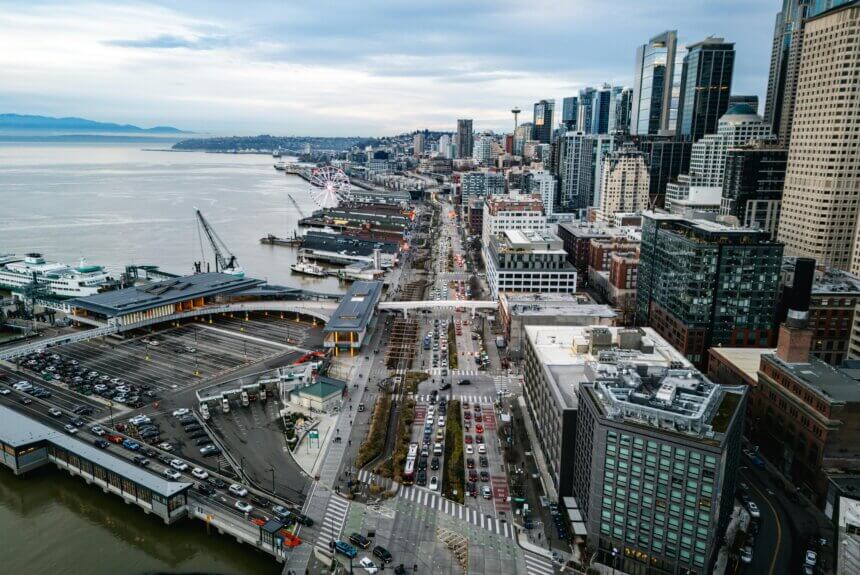
US: Climate Mitigation & Economic Development
One of the current agendas of the Trump administration in the United States is to divest from climate mitigation infrastructure and programs and instead invest in economic development. While the US economy has not entered a full-fledged recession, the administration’s agenda has led many consumers to doubt the economic forecast for this presidency. While consumer…
Climate Commitments
Tracking the short and long-term climate goals of leading greenhouse emissions countries
Read More

NDC Tracking Sources
View the sources we use to track progress of countries’ committments.
Read More