


THE CLIMATE SCORECARD MAGAZINE
A way to learn about efforts to fight climate change
in leading greenhouse gas emission countries
Issue #9 // January 2026
Sea Level Rise
Climate Scorecard depends on donations from people like you
ABOUT CLIMATE SCORECARD MAGAZINE
Climate Scorecard Magazine is a monthly digital magazine intended to inform those interested in climate change about trends to reduce emissions in leading greenhouse emitting countries. Each month we will focus on a different topic related to climate change, e.g. fossil fuels, renewable energy; and provide our readers with information and analysis of policy and program trends within and across countries. We trust our magazine will help increase your knowledge and understanding and welcome your feedback. Please send any comments to: contact (at) climatescorecard.org.
Ron Israel
Publisher and Editor
Climate Scorecard Magazine
Introduction
Climate Scorecard Magazine #9 focuses on the effects of sea level rise in leading greenhouse gas-emitting countries. For each country, we provide an overview of trends in sea level rise from 1975 to 2025, then from 2025 to 2050, and beyond. How is sea level rise affecting current and planned property, home insurance rates, community and city planning, and coastal geography? What efforts are being made to adjust to and/or counteract sea level rise? How long will these efforts take? How much will they cost? Should there be limits on any future sea level property development?
The table below summarizes the effects of sea level rise in each country. Complete Country Reports are provided below.
| Country | Sea Level Rise |
| Australia |
Sea levels around Australia have been rising, and the rate has accelerated in recent decades.
|
| Brazil |
Brazil is facing progressive impacts that range from coastal erosion and chronic flooding to river and aquifer salinization, and increasing damage to urban infrastructure.
|
| Canada |
Public Safety Canada reports rising sea levels are impacting property and infrastructure values through damage, making insurance unaffordable or unavailable for high-risk homes.
|
| China |
China’s Coastal megacities confront rising seas and sinking land.
|
| European Union |
As sea levels continue to rise, Europe’s coastlines face an escalating challenge from the North Sea to the Mediterranean. The primary causes are thermal expansion of warming water and melting glaciers and ice sheets.
|
| France |
Sea level rise is already reshaping France’s Atlantic, Channel, and Mediterranean coastlines.
|
| Germany |
Two-thirds of Germany’s coastline is currently eroding.
|
| India |
Driven by climate change, sea level rise has accelerated along Indian shores, threatening to inundate urban centers, erode livelihoods, and strain economies
|
| Indonesia |
Economic growth often depends on an affordable energy and resource-driven industry that locks in high emissions.
|
| Japan | Japan has the technical capacity and financial resources to adapt to rising seas, but the window for cost-effective action is narrowing. |
| Nigeria | Rising sea levels present a profound and escalating challenge to Nigeria’s coastal regions. |
| Saudi Arabia | Saudi Arabia has made several public commitments to adapt to the effects of rising sea levels, including infrastructure protection, coastal management, and potentially relocation. |
| South Africa | Sea level rise (SLR) is a critical aspect of global climate change, particularly affecting coastal regions, including low-lying areas of southern Africa. |
| Spain | Sea level along Spain’s coasts has risen and accelerated since the late 20th century. |
| Turkey | Sea-level rise remains underemphasized in Türkiye’s climate risk framework, primarily because it affects a limited geographic area while hazards such as drought and heat have a national reach. |
| United Kingdom | Over the last 30 years, global and UK tide-gauge records show a clear acceleration in sea-level rise. |
| United States | The United States is employing efforts to combat sea level rise, including creating dunescapes and beaches to absorb storm energy, building seawalls, and raising road infrastructure. |
Country Reports
Australia: Sea Level Rise
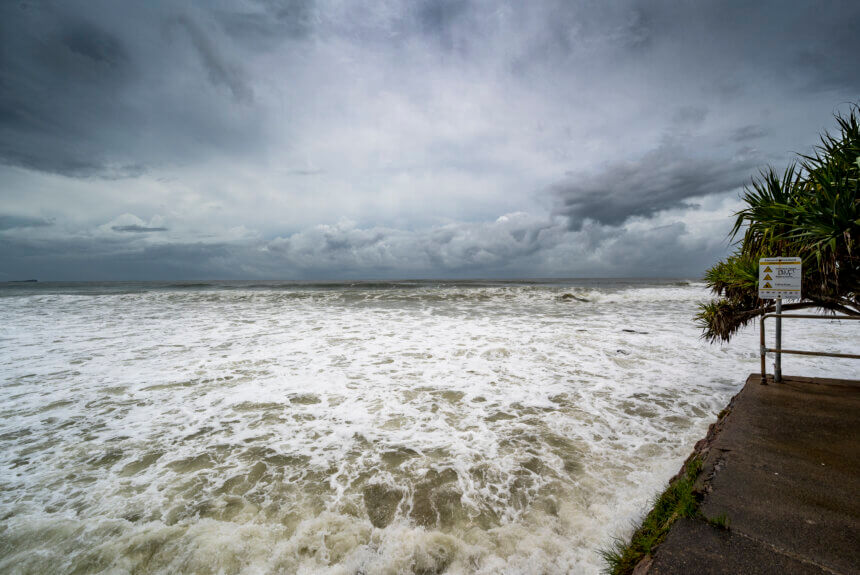
Jessica Gregory AUSTRALIASea level around Australia has been rising, and the rate has accelerated in recent decades.The National Climate Risk Assessment (NCRA), released in September 2025, is Australia’s first nationally comprehensive assessment of climate change risks across systems such as communities, the economy, infrastructure, health, and the environment. It was prepared by the Australian Climate…
Brazil: Sea Level Rise
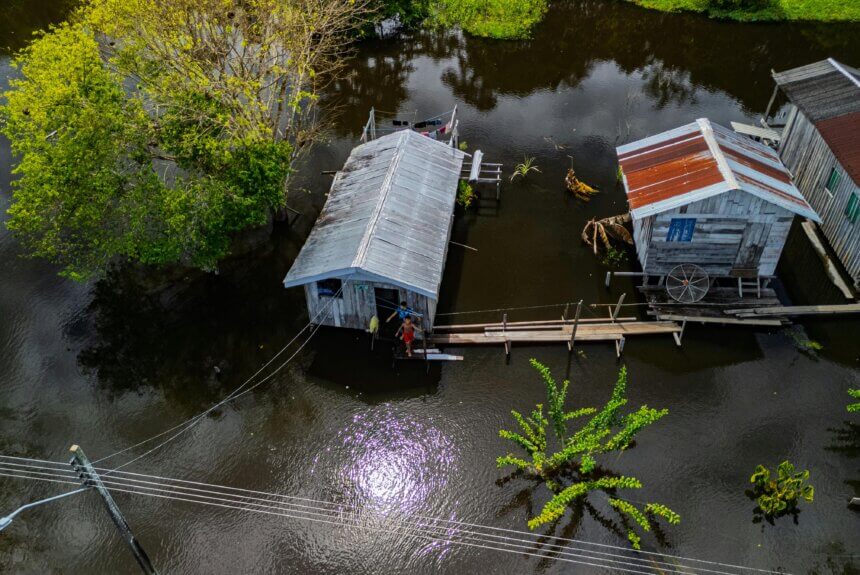
Carlos Alexandre de Oliveira Brazil is facing progressive impacts, ranging from coastal erosion and chronic flooding to river and aquifer salinization and increasing damage to urban infrastructure.Sea level rise is one of the most visible and concerning effects of climate change, particularly for coastal countries like Brazil. With over 7,400 kilometers of coastline and major…
Canada: Sea Level Rise
Diane Szoller Public Safety Canada reports rising sea levels are impacting property and infrastructure values through damage, making insurance unaffordable or unavailable for high-risk homes.The National Collaborating Centre for Environmental Health (NCCEH) states that the Atlantic coast, the Beaufort Sea coast, and Metro Vancouver are the regions most exposed to rising sea levels in Canada….

China: Sea Level Rise
Vincent Mao China’s Coastal Megacities Confront Rising Seas and Sinking Land China’s coastal zone faces a precarious future. Considered a global manufacturing powerhouse and home to millions of people, it is threatened by rising sea levels and sinking land, particularly in its most economically vital cities. Within major delta regions, such as the Yangtze and…
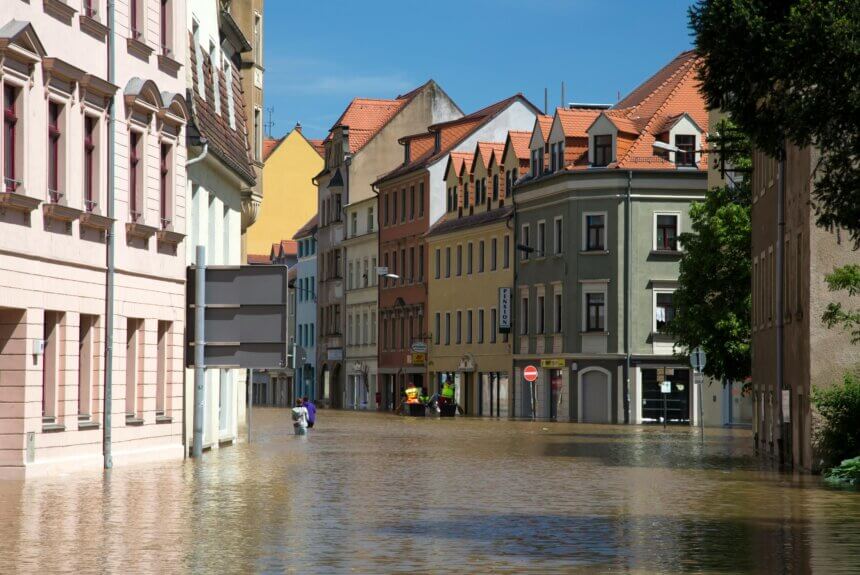
EU: Sea Level Rise
Siti Syaliza Mustapha As sea levels continue to rise, Europe’s coastlines face an escalating challenge from the North Sea to the Mediterranean. The primary causes are thermal expansion of warming water and melting glaciers and ice sheets. Sea-level rise is one of the most significant and irreversible consequences of climate change. As sea levels…
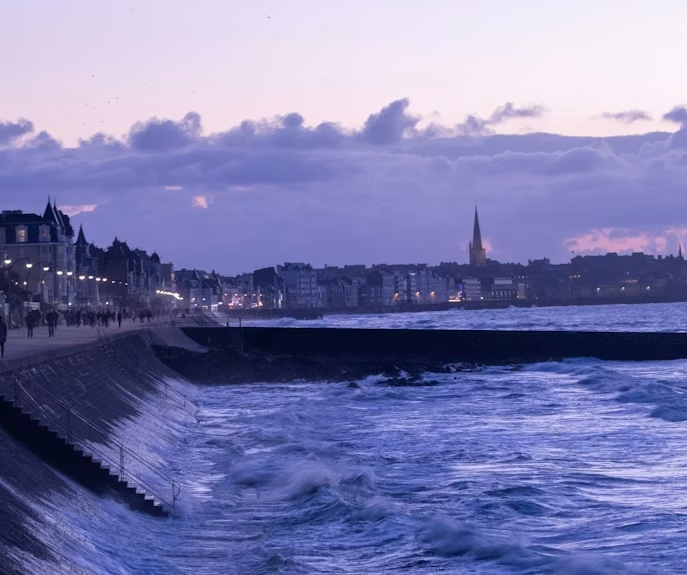
France: Sea Level Rise
Camille Huret Sea level rise is already reshaping France’s Atlantic, Channel, and Mediterranean coastlines.Since 1975, sea levels have risen by 10–15 cm, leading to increased beach erosion, storm-surge flooding, and saltwater intrusion into wetlands and farmland. The deadly Xynthia storm in 2010 demonstrated that many low-lying communities are already highly vulnerable.Projections show a further 15–25…

Germany: Sea Level Rise
Monique de Ritter Two-thirds of Germany’s coastline is currently eroding.General Situation Sea level rise in Germany is a pressing issue that reflects global trends and is accelerating rapidly, posing substantial risks to the country’s extensive low-lying coastlines along the North Sea and Baltic Sea. This phenomenon not only threatens property values and community safety but…
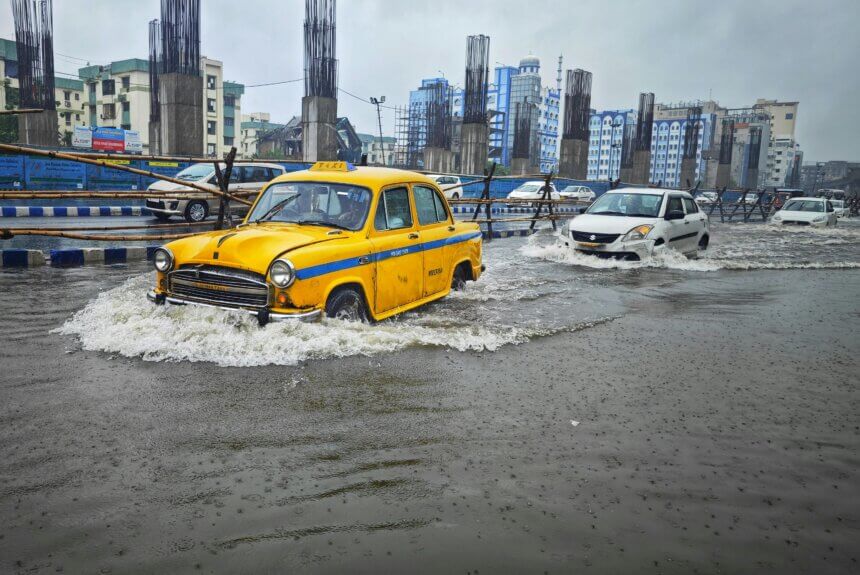
India: Sea Level Rise
Ankita Padelkar Driven by climate change, SLR has accelerated along Indian shores, threatening to inundate urban centers, erode livelihoods, and strain economies.As India’s coastal megacities pulse with life and ambition, an invisible force is reshaping their foundations: sea level rise (SLR). From the bustling streets of Mumbai to the historic ghats of Kolkata, the encroaching…
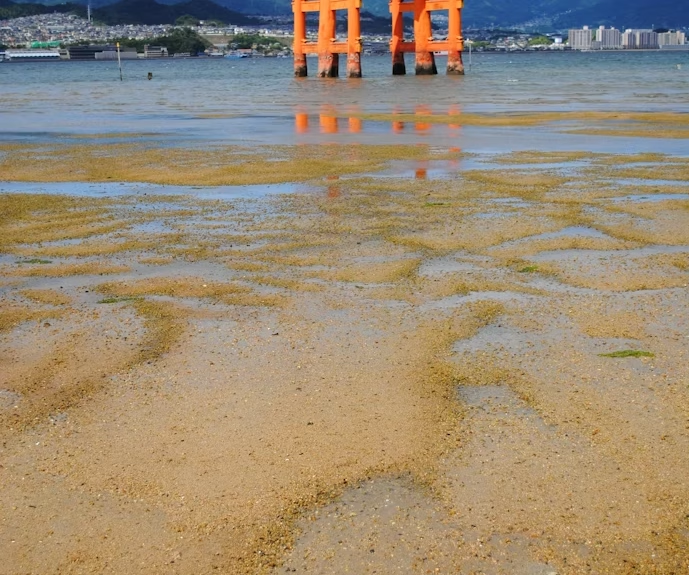
Japan: Sea Level Rise
Delmaria Richards Japan has the technical capacity and financial resources to adapt to rising seas, but the window for cost-effective action is narrowing. Sea Level Rise Viewer Rising Seas in Japan: Local Impacts, Community Adaptation, and the Future of Coastal DevelopmentSea level rise (SLR) is no longer a distant projection in Japan; it is a measurable,…
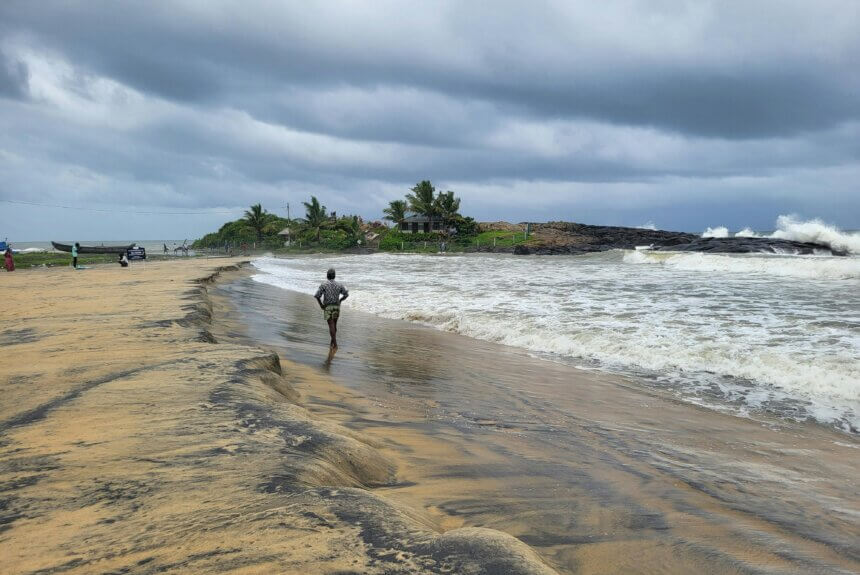
Nigeria: Sea Level Rise
Michael Johnson Rising sea levels present a profound and escalating challenge to Nigeria’s coastal regions. The Great Wall of Lagos (Source: www.ekoatlantic.com)Rising sea levels present a profound and escalating challenge to Nigeria’s coastal regions. The effects are already being felt in shoreline erosion, the intrusion of saltwater into freshwater systems, and the increased frequency of…
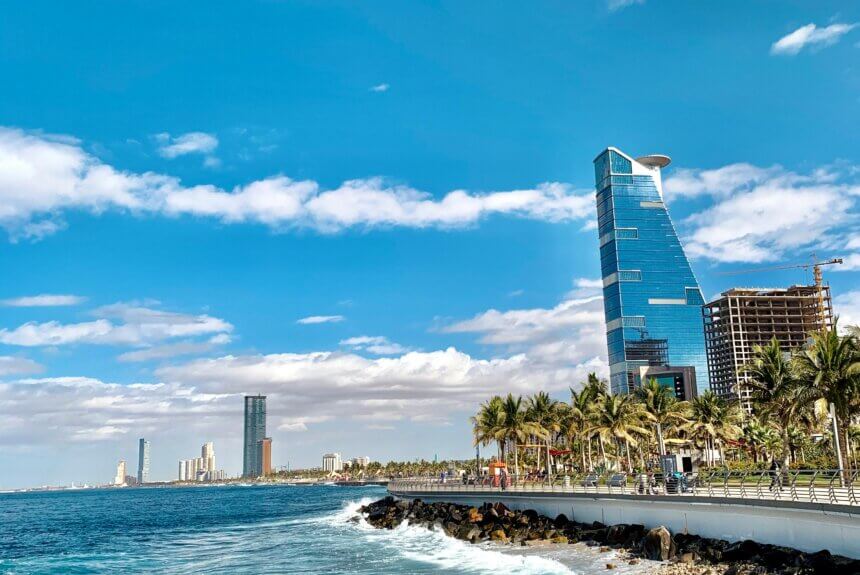
Saudi Arabia: Sea Level Rise
Abeer Abdulkareem, Amgad Ellaboudy Saudi Arabia has made several public commitments to adapt to the effects of rising sea levels, including infrastructure protection, coastal management, and potentially relocation.Sea level rise along Saudi Arabia’s Red Sea and Arabian Gulf coasts is a gradually intensifying threat that affects both individual properties and the broader community. From roughly…
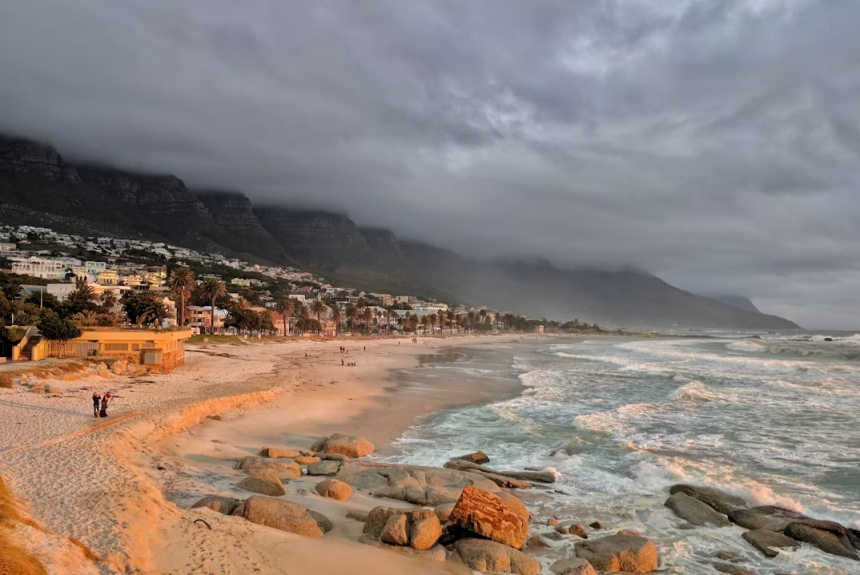
South Africa: Sea Level Rise
Rugare Zhou Sea level rise (SLR) is a critical aspect of global climate change, particularly affecting coastal regions, including low-lying areas of southern Africa. Sea level rise in South Africa, a direct consequence of climate change, is an accelerating trend that poses significant threats to coastal property, infrastructure, and communities. The primary effects are increased coastal…

Spain: Sea Level Rise
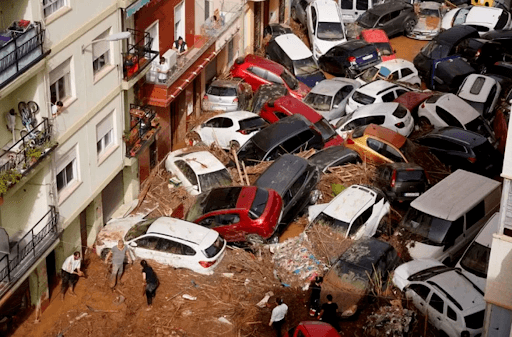
Juanjo Santos Sea level along Spain’s coasts has risen and accelerated since the late 20th century. Valencia. Spain. 2024Sea level along Spain’s coasts has risen and accelerated since the late 20th century. Since 1993, the sea level has risen by 9 cm, and models project continued rise through mid-century and beyond (tens of centimeters by…

Turkey: Sea Level Rise
İpek Gülkaya Taşgın Sea-level rise remains underemphasized in Türkiye’s climate risk framework, primarily because it affects a limited geographic area while hazards such as drought and heat have a national reach.Sea-level rise along Türkiye’s coastlines has been documented in multiple academic studies over the past two decades. Peer-reviewed articles and technical studies demonstrate that relative…
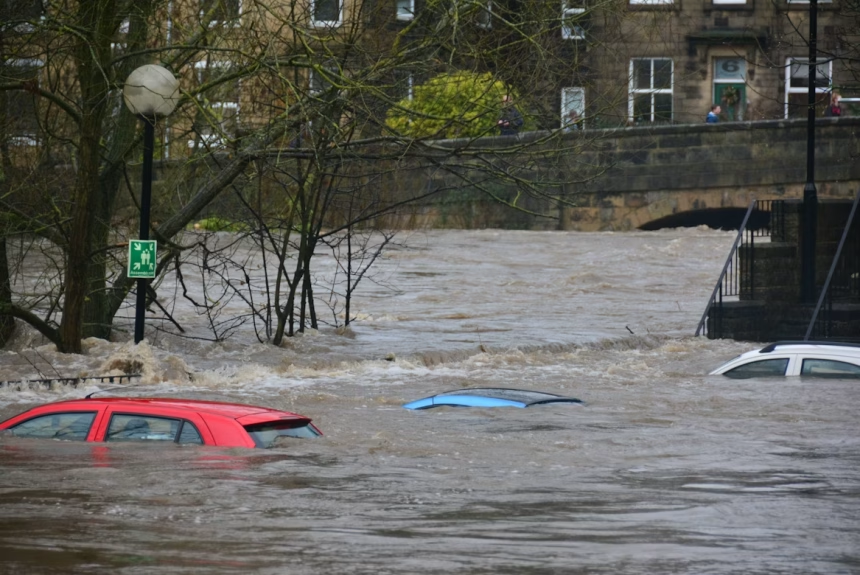
UK: Sea Level Rise
Cesar A.A. Da Silva Over the last 30 years, global and UK tide-gauge records show a clear acceleration in sea-level rise. London’s relationship with water is as old as the city itself. Today, that relationship is changing faster than many residents realise: sea levels around the UK are rising, storm surges are becoming more frequent,…

US: Sea Level Rise
Abby Carlson The United States is employing efforts to combat sea level rise, including creating dunescapes and beaches to absorb storm energy, building seawalls, and raising road infrastructure.According to Earth.gov, global sea levels have risen 10 centimeters between 1993 and 2020. The projected global sea level rise is 15 cm between 2020 and 2050. In…
Climate Commitments
Tracking the short and long-term climate goals of leading greenhouse emissions countries
Read More

NDC Tracking Sources
View the sources we use to track progress of countries’ committments.
Read More