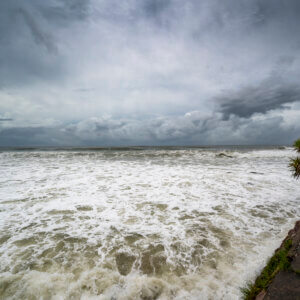
Sea level rise is already reshaping France’s Atlantic, Channel, and Mediterranean coastlines.Since 1975, sea levels have risen by 10–15 cm, leading to increased beach erosion, storm-surge flooding, and saltwater intrusion into wetlands and farmland. The deadly Xynthia storm in 2010 demonstrated that many low-lying communities are already highly vulnerable.Projections show a further 15–25 cm rise...

Tag: 94
EU: Sea Level Rise
As sea levels continue to rise, Europe’s coastlines face an escalating challenge from the North Sea to the Mediterranean. The primary causes are thermal expansion of warming water and melting glaciers and ice sheets. Sea-level rise is one of the most significant and irreversible consequences of climate change. As sea levels continue to rise,...
China: Sea Level Rise
China’s Coastal Megacities Confront Rising Seas and Sinking Land China’s coastal zone faces a precarious future. Considered a global manufacturing powerhouse and home to millions of people, it is threatened by rising sea levels and sinking land, particularly in its most economically vital cities. Within major delta regions, such as the Yangtze and Pearl River...
Canada: Sea Level Rise
Public Safety Canada reports rising sea levels are impacting property and infrastructure values through damage, making insurance unaffordable or unavailable for high-risk homes.The National Collaborating Centre for Environmental Health (NCCEH) states that the Atlantic coast, the Beaufort Sea coast, and Metro Vancouver are the regions most exposed to rising sea levels in Canada. The Centre...
Brazil: Sea Level Rise
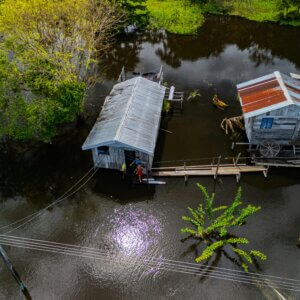
Brazil is facing progressive impacts, ranging from coastal erosion and chronic flooding to river and aquifer salinization and increasing damage to urban infrastructure.Sea level rise is one of the most visible and concerning effects of climate change, particularly for coastal countries like Brazil. With over 7,400 kilometers of coastline and major urban centers located along...
Australia: Sea Level Rise
AUSTRALIASea level around Australia has been rising, and the rate has accelerated in recent decades.The National Climate Risk Assessment (NCRA), released in September 2025, is Australia’s first nationally comprehensive assessment of climate change risks across systems such as communities, the economy, infrastructure, health, and the environment. It was prepared by the Australian Climate Service (a...