

KIKO NETWORK
Japan aims for carbon neutrality by 2050, and civil society groups are now central to that effort. Among them, Kiko Network stands out as one of Japan’s most influential home-grown climate NGOs. Through research and advocacy, Kiko Network drives Japan’s climate transition. Its work bridges science, policy, and community action.
Origins and Mission
Founded in 1998 after the adoption of the Kyoto Protocol, Kiko Network was created to help Japan shift toward a low-carbon society. Operating from Kyoto and Tokyo, the organization works with local governments, researchers, businesses, and international partners to promote science-based climate policies and accelerate decarbonization across the country.
Leadership and Approach
Kiko Network is led by Executive Director Taishi Sugiyama, a climate policy specialist known for his involvement in government consultations and international climate dialogues. Under his leadership, the organization has strengthened its role as an independent watchdog, monitoring Japan’s climate commitments and pushing for alignment with global climate science. Unlike conservation-focused environmental groups, Kiko Network concentrates specifically on climate policy. The organization’s work includes:
- Publishing technical and policy reports
- Conducting climate and energy research
- Organizing public awareness campaigns
- Supporting renewable energy adoption
- Monitoring national greenhouse gas emissions
- Advocating for stronger climate legislation
The organization has also played a central role in campaigns calling for the retirement of coal-fired power plants and increased investment in renewable energy.
Impact on Coal Policy
One of Kiko Network’s most measurable achievements is its long-running coal phase-out campaign. Over the past decade, the organization, working with domestic and international partners, has opposed the construction of new coal power stations. According to its monitoring reports, more than 30 proposed coal projects have been canceled or suspended, reducing future emissions and encouraging greater investment in renewable alternatives.
Public Engagement and Local Action
Kiko Network also works to strengthen climate literacy among citizens and local governments. For example, it provides educational materials, hosts seminars and workshops, and supports municipalities in developing decarbonization strategies. Its research helps local governments understand emission trends and identify practical pathways for energy efficiency and renewable energy deployment.
International Collaboration
Beyond Japan, Kiko Network collaborates with global climate organizations such as the Climate Action Network (CAN). Through this partnership, Japanese climate concerns are represented in international negotiations while bringing global best practices back to Japan.
Looking Ahead
Japan’s pledge to reach net zero emissions by 2050 remains challenging. Fossil fuels still power much of Japan’s electricity, and renewable energy expansion must accelerate. Therefore, Kiko Network continues to advocate for:
- Stronger emission reduction targets
- A faster coal phase-out
- Increased renewable energy deployment
- Greater transparency in climate policy
Because its credibility is built on scientific rigor, measurable outcomes, and collaborative engagement, it has earned the trust of government agencies, academics, businesses, and civil society. As Japan moves toward a sustainable future, Kiko Network remains one of the country’s most important voices for climate action.
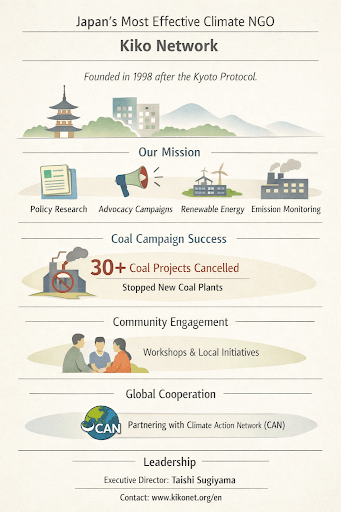
Figure 1. One of Japan’s Most Effective Climate NGOs: Kiko Network.
This Post was submitted by Climate Scorecard Japan Country Manager, Delmaria Richars.
LEARN MORE RESOURCES
- Climate Action Network. (2025). Members of Climate Action Network International. https://climatenetwork.org/
- Kiko Network. (2025). About Kiko Network. https://www.kikonet.org/en
- Climate Action Network International. Tackling the Climate Crisis. (2026). Members and Activities. https://climatenetwork.org
- Ministry of the Environment, Japan. (2025). Japan’s Climate Change Policies. https://www.env.go.jp/en/earth/